Hard Inquiries: When Too Many Hurt Your Credit
Discover the threshold for hard credit inquiries that can damage your score and learn strategies to minimize their impact on your financial future.

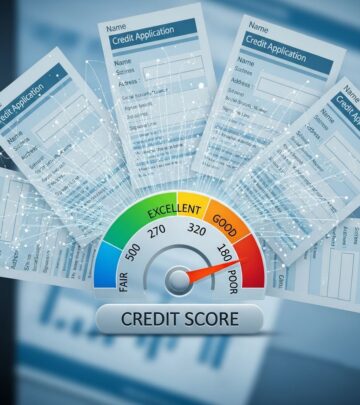
Hard inquiries occur when lenders check your credit report during credit applications, potentially lowering your credit score temporarily. While a single inquiry typically deducts fewer than five points from your FICO Score, multiple inquiries in a short period can signal risk to lenders, compounding the negative effects.
Understanding the Basics of Credit Inquiries
Credit inquiries come in two forms: hard and soft. Hard inquiries happen specifically when you apply for new credit, such as loans or cards, and require your permission. They appear on your credit report and can influence scoring models. Soft inquiries, by contrast, occur for pre-approvals, your own checks, or background purposes and do not affect scores.
According to FICO, hard inquiries contribute about 10% to your overall score calculation. They remain visible on reports for two years, but their scoring impact fades after 12 months. This distinction helps consumers differentiate between routine checks and those tied to active borrowing.
How Hard Inquiries Influence Your Credit Score
Each hard inquiry can reduce your score by up to 10 points, though most see a drop of less than five points per inquiry. The effect is more pronounced for those with thin credit files or few accounts, as it may suggest over-reliance on new credit.
Multiple inquiries amplify concerns. Lenders view rapid applications as potential financial distress, increasing perceived risk. For instance, several card applications in weeks could drop scores more significantly than spaced-out requests.
| Factor | Hard Inquiry | Soft Inquiry |
|---|---|---|
| Affects Credit Score | Yes, temporarily | No |
| Triggered By | Credit applications | Pre-qualifications, self-checks |
| Permission Needed | Yes | No |
| Duration on Report | 2 years | 2 years |
This table highlights key differences, aiding quick comparison.
Duration and Visibility of Hard Inquiries
Hard inquiries stay on your Equifax, Experian, and TransUnion reports for up to two years. However, FICO and VantageScore models only factor those from the past 12 months into calculations. Older inquiries lose influence, allowing scores to rebound with positive behaviors like on-time payments.
Lenders see all inquiries during reviews, so even non-scoring ones might raise flags if excessive. Monitoring reports regularly via annualcreditreport.com or free services helps track them.
Rate Shopping Exceptions: A Key Advantage
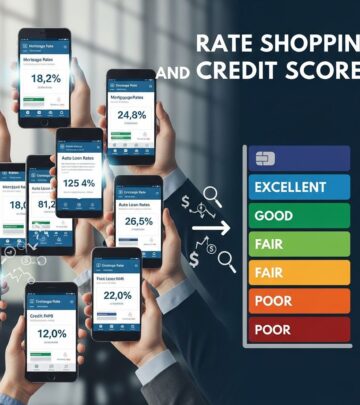
Credit scoring models offer relief for mortgage, auto, and student loan shopping. Inquiries within 14-45 days (model-dependent) count as one, preventing score harm from comparing offers. For example, FICO treats multiple auto loan pulls in 45 days as singular, encouraging informed decisions without penalty.
This rule does not apply to credit cards or personal loans, where each pull stands alone. Plan card applications carefully to avoid unnecessary hits.
Defining ‘Too Many’ Hard Inquiries
No strict threshold exists, but 1-2 inquiries rarely cause major issues for healthy profiles. Beyond that, especially clustered, impacts grow: 3-5 in months may hinder approvals; 6+ signals high risk.
- Low Risk: 0-2 inquiries in 12 months – Minimal score change.
- Moderate Risk: 3-4 – Noticeable drop, possible denial.
- High Risk: 5+ – Lenders wary of instability.
Context matters: thin files amplify effects. Those with scores near 700 might slip into subprime ranges.
Real-World Impacts on Loan and Card Approvals
Excessive inquiries reduce approval odds by portraying you as credit-hungry. Banks like Citi note clustered pulls heighten denial risks. A 2025 study by the Consumer Financial Protection Bureau affirms single inquiries have little effect, but patterns matter.
Recovering involves time: scores often normalize in months with good habits. Pre-approvals via soft pulls gauge eligibility first.
Strategies to Minimize Hard Inquiry Damage
Protect your score with proactive steps:
- Research pre-approvals using soft inquiries before applying.
- Space applications: wait 3-6 months between non-rate-shopping pulls.
- Leverage rate-shopping windows for big loans.
- Check reports quarterly to dispute errors.
- Build credit thickness with authorized user status or secured cards (minimal inquiries).
Tools like Credit Karma or official bureau apps track inquiries without hard pulls.
Disputing Unauthorized or Incorrect Inquiries
Spot fraud or errors? Dispute via mail, online, or phone with bureaus. Provide proof; resolutions take 30 days. Unauthorized pulls violate FCRA, warranting removal. Equifax emphasizes verifying permission for every hard inquiry.
Long-Term Credit Health Beyond Inquiries
Inquiries are just 10% of FICO; prioritize payment history (35%), utilization (30%). Strong profiles weather inquiry storms better. SBA advises avoiding rapid expansions to maintain lender trust.
Frequently Asked Questions
Do hard inquiries always lower my score?
No, impact varies by profile; often under 5 points and temporary.
How soon after an inquiry can I apply again?
3-6 months ideal for non-shopping; use soft checks meantime.
Can I remove hard inquiries?
Only if unauthorized; dispute promptly.
Do soft inquiries show to lenders?
Yes, but they don’t affect scores or approvals.
What’s the best way to monitor inquiries?
Free weekly reports from AnnualCreditReport.com or score services.
Building Resilience Against Inquiry Effects
Enhance score buffers: pay down debt, avoid maxed cards. Diversify credit mix thoughtfully. Over time, inquiries become footnotes in a robust history.
References
- How Many Hard Inquiries Are Too Many? — American Express. 2023. https://www.americanexpress.com/en-us/credit-cards/credit-intel/credit-inquiries/
- What Is a Hard Inquiry and How Does It Affect Credit? — Experian. 2024-10-15. https://www.experian.com/blogs/ask-experian/what-is-a-hard-inquiry/
- How Credit Inquiries Affect Your Credit Score — Bankrate. 2025-02-20. https://www.bankrate.com/credit-cards/advice/how-credit-inquiries-affect-credit-score/
- What Is a Soft Credit Check? Soft Pull vs. Hard Pull — Credit Karma. 2024. https://www.creditkarma.com/credit/i/hard-credit-inquiries-and-soft-credit-inquiries
- How Long Do Hard Inquiries Stay On Your Credit Report? — Citi. 2024-11-01. https://www.citi.com/credit-cards/understanding-credit-cards/how-long-do-hard-inquiries-stay-on-your-credit-report
- Understanding Hard Inquiries on Your Credit Report — Equifax. 2025. https://www.equifax.com/personal/education/credit/report/articles/-/learn/understanding-hard-inquiries-on-your-credit-report/
- Credit inquiries: what you should know about hard and soft pulls — SBA.gov. 2023-05-10. https://www.sba.gov/blog/credit-inquiries-what-you-should-know-about-hard-soft-pulls
Similar Articles








Read full bio of Sneha Tete