Hard Inquiries on Credit Reports
Discover how long hard inquiries linger on your credit report and their real impact on your financial future.
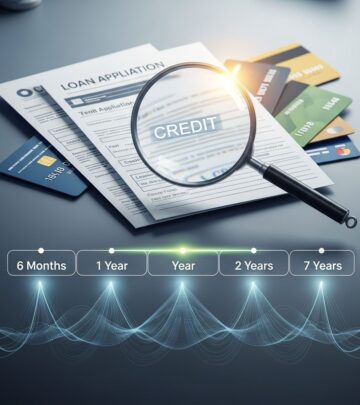
Hard inquiries, triggered by credit applications, appear on your credit report for up to two years but influence scores for only one year. This article explores their mechanics, effects, and strategies to navigate them wisely.
Defining Hard and Soft Credit Inquiries
Understanding credit inquiries starts with distinguishing between hard and soft types. A
hard inquiry
happens when a lender accesses your credit file during an application process for new credit, such as loans or cards. This action signals to future lenders your recent credit-seeking behavior.In contrast,
soft inquiries
occur without your direct application, like when you check your own credit or for pre-approvals. They leave no mark on your score.| Aspect | Hard Inquiry | Soft Inquiry |
|---|---|---|
| Score Impact | Temporary drop (5-10 points average) | None |
| Trigger | Credit applications | Self-checks, promotions |
| Permission Needed | Yes | No |
| Report Duration | 2 years | 2 years |
Duration of Hard Inquiries on Your Credit File
Hard inquiries remain visible on your credit reports from major bureaus—Experian, Equifax, and TransUnion—for
two years
from the date of the inquiry. However, their effect on popular scoring models like FICO is limited to thefirst 12 months
.After one year, the inquiry stops factoring into score calculations, though it stays as a historical record. This dual timeline means short-term vigilance is key, but long-term worry is unnecessary.
Why Hard Inquiries Affect Your Credit Score
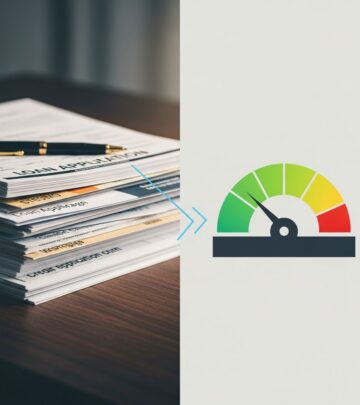
Lenders view multiple recent hard inquiries as potential risk indicators, suggesting financial strain or overextension. Each can lower scores by about 5-10 points, with greater impact from clusters in short periods.
Scoring algorithms weigh inquiries within your credit history length and mix. Newer profiles suffer more from inquiries than established ones with diverse accounts.
- Single inquiry: Minimal, often negligible effect.
- Multiple in weeks: Signals urgency, amplifies drop.
- Rate shopping (e.g., mortgages): Often treated as one.
Common Triggers for Hard Credit Pulls
Any formal credit request can prompt a hard pull. Key scenarios include:
- Applying for credit cards or lines of credit.
- Seeking auto loans, mortgages, or personal loans.
- Requesting credit limit increases.
- Rental applications or some job checks (employer pulls).
- Private student loans or certain federal options.
Landlords and employers sometimes perform them too, broadening exposure beyond traditional lending.
Rate Shopping: A Smart Exception
When comparing rates for big-ticket items like homes or cars, multiple inquiries within a window count as
one
in modern FICO models (45 days) or older ones (14 days). This ‘rate-shopping window’ encourages comparison without penalty.Plan purchases strategically: Gather quotes quickly to leverage this rule and preserve your score.
Strategies to Minimize Hard Inquiry Damage
Proactive steps can limit fallout:
- Review credit beforehand: Use soft pulls via free annual reports or services to gauge strength.
- Space applications: Avoid multiple unrelated pulls close together.
- Pre-qualify first: Opt for soft inquiry pre-approvals where available.
- Freeze credit: Prevent unauthorized pulls by freezing reports at bureaus.
Monitoring tools from Credit Karma or official sites help track inquiries in real-time.
Spotting and Addressing Problematic Inquiries
Not all hard pulls are legitimate. Unauthorized ones may indicate identity theft. Dispute via bureau sites or phone, providing evidence. Contact the listed creditor too.
Regular checks reveal errors: Aim for weekly soft pulls during active applications.
Long-Term Credit Building Amid Inquiries
Inquiries are just 10% of FICO scores. Prioritize payment history (35%) and utilization (30%). Strong habits dilute inquiry effects over time.
Build history with secured cards or authorized user status, minimizing future hard pull needs.
FAQs on Hard Inquiries
How long until a hard inquiry stops affecting my score?
Typically 12 months for FICO; it lingers on reports for 24 months.
Do soft inquiries hurt credit?
No, they don’t impact scores at all.
Can I remove a hard inquiry early?
Only if inaccurate; legitimate ones stay the full term.
How many is too many?
One or two: minor hit. Five-plus in months: significant risk signal.
Do inquiries affect all scores?
Most models (FICO, VantageScore) penalize similarly, but windows vary.
Key Takeaways for Credit Health
Hard inquiries are temporary hurdles, not permanent barriers. Strategic planning—timing applications, using pre-approvals, and monitoring reports—keeps your profile robust. Focus on core factors like on-time payments for lasting gains.
References
- What Is a Hard Inquiry and How Does It Affect Credit? — Experian. 2023. https://www.experian.com/blogs/ask-experian/what-is-a-hard-inquiry/
- Understanding Hard Inquiries on Your Credit Report — Equifax. 2024-01-15. https://www.equifax.com/personal/education/credit/report/articles/-/learn/understanding-hard-inquiries-on-your-credit-report/
- What is a credit inquiry? — Consumer Financial Protection Bureau. 2023-05-10. https://www.consumerfinance.gov/ask-cfpb/what-is-a-credit-inquiry-en-1317/
- What Is a Soft Credit Check? Soft Pull vs. Hard Pull — Credit Karma. 2024. https://www.creditkarma.com/credit/i/hard-credit-inquiries-and-soft-credit-inquiries
- How Soft vs Hard Pull Credit Inquiries Work — myFICO. 2023-11-20. https://www.myfico.com/credit-education/credit-reports/manage-credit-inquiries
- Soft Inquiry vs. Hard Inquiry: Credit Checks Explained — Citi. 2024-02-05. https://www.citi.com/credit-cards/understanding-credit-cards/hard-and-soft-credit-inquiries
- Credit inquiries: what you should know about hard and soft pulls — U.S. Small Business Administration. 2023-08-12. https://www.sba.gov/blog/credit-inquiries-what-you-should-know-about-hard-soft-pulls
Similar Articles








Read full bio of medha deb