Handling Surprises: Finances with Bad Credit
Discover practical strategies to tackle sudden costs when poor credit limits your options and keep your financial stability intact.
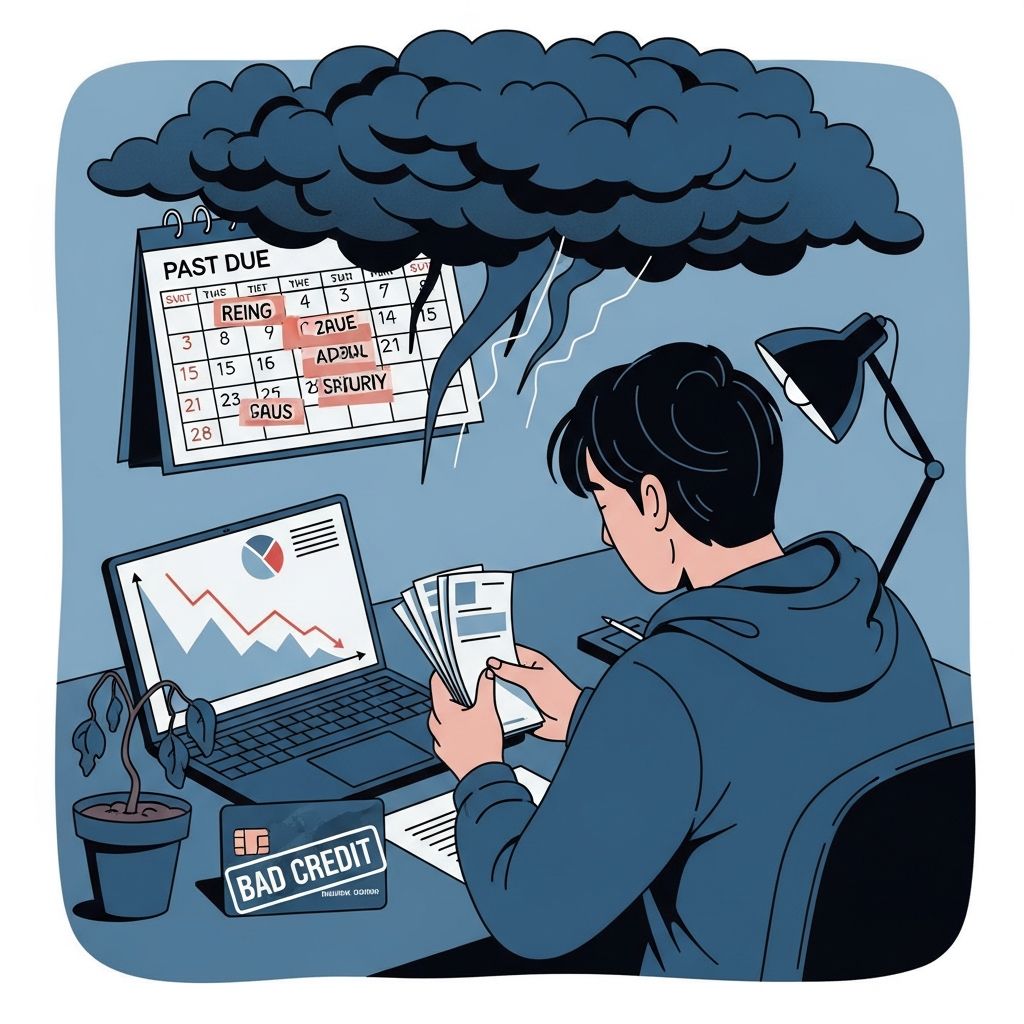
Unexpected financial demands like medical bills, car breakdowns, or home repairs can strike anyone, but they pose unique challenges for those with poor credit histories. Limited access to favorable loans or credit lines means relying on alternative approaches to avoid deeper debt spirals. This guide outlines proactive steps and immediate solutions tailored for individuals facing these constraints, drawing from established financial practices to foster long-term stability.
Why Poor Credit Amplifies Financial Shocks
A low credit score often results from past missed payments, high debt levels, or limited credit history, restricting borrowing options to high-interest products or none at all. When surprises occur, the absence of quick, affordable credit forces tough choices, potentially leading to reliance on predatory lenders or unpaid bills that further damage scores. According to financial experts, households with subprime scores frequently redirect daily spending to cover urgencies, exacerbating cash flow issues. Planning ahead mitigates these risks by creating buffers and improving creditworthiness over time.
Establishing a Safety Net Before Crises Hit
The cornerstone of resilience is an emergency fund, even if starting small. Financial advisors recommend aiming for three to six months of essential living costs, but with tight budgets, begin with $500 to $1,000 as a initial target. Automate small transfers from each paycheck into a high-yield savings account to build this without feeling the pinch. For those with poor credit, this cash reserve becomes the first line of defense, avoiding debt altogether.
- Track daily outflows: Review bank statements to identify non-essentials like subscriptions, freeing up $20-50 monthly for savings.
- Prioritize automation: Set recurring deposits to ensure consistency, regardless of spending temptations.
- Separate accounts: Use a dedicated savings account to psychologically distance emergency funds from regular spending.
Budgeting tools or apps can allocate a fixed percentage—say 5-10%—of income toward this fund, treating it as a non-negotiable bill. Over time, this habit not only prepares for surprises but also signals financial discipline to future lenders.
Optimizing Existing Resources During Emergencies
When cash is short, leverage what’s already available without worsening credit. Credit cards, if held responsibly, offer immediate access, but only if utilization stays below 30% to protect scores. Pay off balances swiftly to dodge interest, which averages over 20% for subprime borrowers. For larger needs, negotiate payment plans directly with service providers—many hospitals, utilities, or auto shops offer interest-free installments.
| Option | Pros | Cons | Best For |
|---|---|---|---|
| Credit Card | Quick access, potential rewards | High interest if unpaid | Small, short-term needs |
| Payment Plan | No new debt, flexible terms | Limited to providers | Medical or utility bills |
| Family Loan | Low/no interest, trust-based | Relationship risks | Trusted networks |
Borrowing from family or friends works if formalized with a simple agreement outlining repayment terms, preventing misunderstandings. Workplace advances or early paycheck apps provide bridge funding, often fee-based but credit-neutral.
Short-Term Income Boosts Without Credit Checks
Side hustles offer debt-free solutions for urgent cash. Platforms for delivery driving, freelancing, or renting assets like spare rooms yield quick payouts. Aim for gigs with same-day or weekly pay to cover immediate gaps. Selling unused items online or locally turns clutter into capital, often netting hundreds without loans. Temporary overtime or odd jobs through community networks also fill voids effectively.
- Delivery services: Earn $15-25/hour flexibly.
- Asset rentals: List parking spots or equipment.
- Resale platforms: Quick sales of electronics or clothing.
These methods preserve credit profiles while addressing needs, buying time to rebuild savings.
Navigating Borrowing When Options Are Limited
Poor credit narrows choices, but personal loans from credit unions or online lenders specializing in subprime borrowers exist, often with rates 10-36% APR. Compare total costs, including fees, before committing. Buy-now-pay-later services suit purchases under $1,000, splitting into interest-free installments if paid on time. Avoid payday loans due to triple-digit rates that trap users in cycles.
Secured options like credit-builder loans deposit funds into savings you access post-payments, simultaneously improving scores. For home-related urgencies, credit union memberships unlock lower rates than for-profit alternatives. Always calculate affordability: Can monthly payments fit without straining basics?
Rebuilding Credit Amid Ongoing Challenges
Enhancing your score opens better doors long-term. Key steps include on-time payments (35% of score), low utilization (30%), and diverse credit mix. Secured cards require deposits but report positively, ideal starters. Dispute errors on reports via free annualcreditreport.com checks.
- Pay bills promptly using reminders.
- Request credit limit increases to dilute utilization.
- Add positive history with utility autopay.
Improvement takes 3-6 months but yields lower rates on future needs. Tools like free score trackers monitor progress.
Common Pitfalls and How to Sidestep Them
Maxing cards spikes utilization, dropping scores 100+ points. Ignoring provider assistance forfeits no-interest plans. Neglecting replenishment post-use empties funds for next crises. Regularly audit budgets: Trim dining out or streaming to redirect $100+ monthly. Simulate scenarios—hypothetical $2,000 car fix—to test readiness.
Long-Term Strategies for Financial Armor
Beyond basics, diversify income via skills training for higher-paying gigs. Insurance reviews cut premiums, freeing savings. Community aid programs for low-income households cover essentials during recoveries. Financial counseling from nonprofits like NFCC provides free plans. Consistent tracking via apps ensures alignment with goals.
Frequently Asked Questions
What’s the fastest way to handle a $500 emergency with bad credit?
Use an existing emergency fund, sell items, or negotiate a payment plan. Avoid high-fee advances unless necessary.
Can side gigs really cover big surprises?
Yes, intensive hustling like ridesharing can net $1,000+ weekly, bridging larger gaps without debt.
How long to build a starter emergency fund?
Saving $50/paycheck reaches $500 in 5-10 months, scalable with budget tweaks.
Do payment plans hurt credit?
Typically no, as they don’t involve new credit inquiries or reports unless defaulted.
Best first step for credit improvement?
Secure a card and keep utilization under 30%, paying in full monthly.
References
- 4 Ways to Plan for Unexpected Expenses — Experian. 2023. https://www.experian.com/blogs/ask-experian/how-to-plan-for-unexpected-expenses/
- 5 Tips For Paying Unexpected Expenses — Bankrate. 2024-10-15. https://www.bankrate.com/loans/personal-loans/personal-loans-for-unexpected-expenses/
- What Are Unexpected Expenses and How to Avoid Them — Discover. 2024. https://www.discover.com/personal-loans/resources/major-expenses/planning-unexpected-expenses/
- 7 Money Management Tips To Help Plan for Unexpected Expenses — Synchrony. 2023. https://www.synchrony.com/blog/bank/unexpected-expenses
- Building financial security and resilience to unexpected expenses — JPMorgan Chase Institute. 2024. https://www.jpmorganchase.com/institute/all-topics/financial-health-wealth-creation/building-financial-security-and-resilience
Similar Articles








Read full bio of medha deb