Flat Tire Safety Guide: 5-Step Replacement And Repairs
Master the steps to safely manage a flat tire, from roadside fixes to long-term prevention strategies for worry-free driving.

Encountering a flat tire can disrupt any journey, but knowing how to respond effectively ensures safety and minimizes downtime. This guide details detection methods, emergency procedures, repair choices, and ongoing care practices to equip drivers with confidence.
Spotting the Signs of a Flat Tire
Recognizing a flat tire early prevents further vehicle damage and hazards. Common indicators include a sudden steering pull to one side, vibrations through the steering wheel, or a noticeable thumping noise from the affected wheel. Dashboard warnings like low tire pressure alerts also signal issues. Driving on a deflated tire risks rim damage and blowouts, so pull over immediately upon suspicion.
- Visual cues: Observe if the tire appears deflated or has debris embedded.
- Performance signals: Reduced handling or uneven ride quality points to air loss.
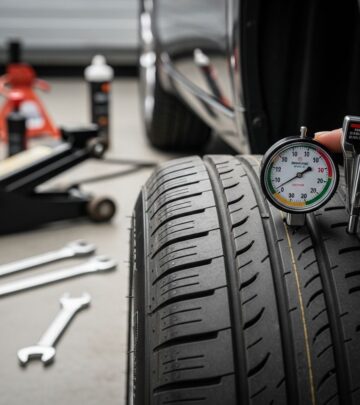
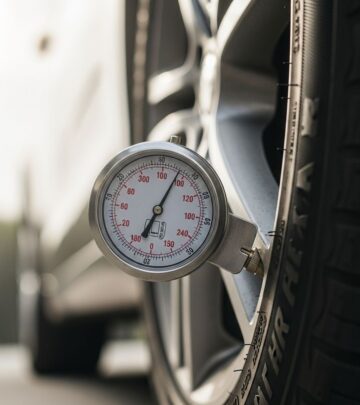
- Pressure checks: Use a gauge to verify if pressure falls below manufacturer specs, typically listed on the driver’s door jamb.
Regular monitoring catches slow leaks from valve issues or minor punctures before they escalate.
Immediate Safety Measures on the Roadside
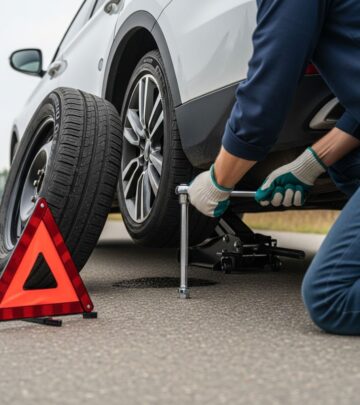
Prioritize safety when addressing a flat. Select a flat, stable surface away from traffic, engage hazard lights, and set up warning triangles. For automatic transmissions, shift to park; manuals require first gear with the parking brake on. Brace non-jacked wheels with rocks or wood to prevent rolling.
| Step | Action | Purpose |
|---|---|---|
| 1. Park Safely | Choose level ground, activate hazards | Avoids accidents and ensures stability |
| 2. Brace Wheels | Place blocks front and rear | Prevents vehicle movement |
| 3. Gather Tools | Locate jack, wrench, spare | Prepares for efficient change |
Step-by-Step Tire Replacement Process
Changing a tire demands precision to avoid injury or improper installation. Consult your owner’s manual for jack points and spare location, often in the trunk or under the vehicle.
- Loosen lug nuts: Use the wrench counterclockwise while the tire contacts the ground to break resistance.
- Position the jack: Place at the factory-designated frame spot, raising slowly until the tire lifts off.
- Remove wheel: Fully unscrew nuts, pull off the flat tire.
- Mount spare: Align and hand-tighten nuts in a star pattern.
- Lower and torque: Gradually lower the vehicle, then tighten nuts firmly with the wrench.
Post-change, drive briefly then recheck tightness. Compact spares limit speed to 50 mph and short distances.
Evaluating Damage for Repair Feasibility
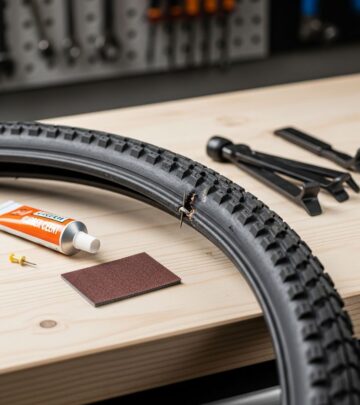
Not all flats require full replacement. Inspect the tire off the vehicle for puncture location and extent. Tread-area holes under 1/4 inch often qualify for patching, but sidewall gashes or inner liner tears demand new tires. Use soapy water to pinpoint leaks via bubbling.
- Repairable: Small tread punctures without structural compromise.
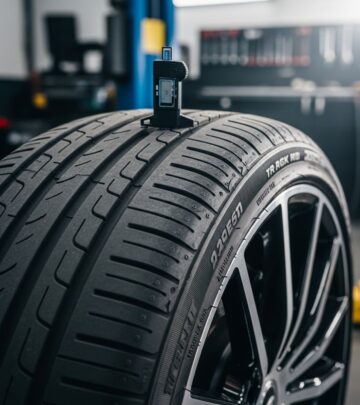
- Irreparable: Sidewall cuts, multiple holes, or tread wear below 2/32 inch.
- Valve leaks: Tighten core or replace stem if no visible damage.
Professionals must remove the tire for internal checks, applying plugs and patches per industry standards.
Repair Techniques and Professional Services
Temporary sealants buy time for small punctures but aren’t permanent. True repairs involve demounting, cleaning the injury, and sealing from inside with a patch-plug combo. Avoid overlapping fixes or rim-only patches.
Seek certified shops for assessments. Matching repaired tire wear to others ensures balanced handling; replace in pairs or sets if needed.
Spare Tire Care and Inspection
Spares degrade from age and disuse, so inspect monthly: verify pressure, check for cracks or dry rot. Full-size spares offer better performance than donuts, but all need rotation into service periodically. Replace tires over six years old regardless of tread.
Preventive Maintenance for Tire Longevity
Proactive care slashes flat risks. Monthly pressure checks maintain efficiency and even wear. Rotate every 5,000-7,000 miles, align wheels annually, and balance post-repair. Tread depth tests with a penny—Lincoln’s head hidden means adequate grip.
- Monitor pressure cold, per door sticker specs.
- Inspect for cuts, bulges, or embedded objects.
- Store spares properly to prevent flat-spotting.
Emergency Kit Essentials
A well-stocked kit enhances roadside readiness: jack, wrench, gauge, flashlight, gloves, sealant, triangles, and first-aid basics. Compact tools fit trunks easily.
Frequently Asked Questions
Can I drive on a flat tire briefly?
No—risks severe damage. Stop safely and change or call aid.
How often should I check spare pressure?
Monthly, matching sidewall markings.
What’s the speed limit on a donut spare?
Typically 50 mph max, short distances only.
Is DIY repair safe long-term?
No—professional inspection required for internals.
How to find jack points?
Owner’s manual diagrams frame lift areas.
References
- Tire Repair Basics — USTMA. 2023. https://www.ustires.org/tire-care-safety/tire-repair-basics
- How to Change a Car Tire | Flat Tire — Consumer Reports. 2023-10-12. https://www.consumerreports.org/cars/tire-buying-maintenance/how-to-change-a-car-tire-a2760414554/
- Tire Safety and Maintenance — AAA Exchange. 2024. https://exchange.aaa.com/automotive/car-care-repair-and-maintenance/tire-safety-and-maintenance/
- What to do with a flat tire? — Michelin. 2024. https://www.michelinman.com/auto/auto-tips-and-advice/auto/auto-tips-and-advice/tire-damage/flat-tire
- How to Change Your Tire | Flat Tire Replacement — Goodyear Tires. 2023. https://www.goodyear.com/en_US/learn/tire-care-maintenance/how-to-fix-a-flat-tire.html
Similar Articles








Read full bio of medha deb