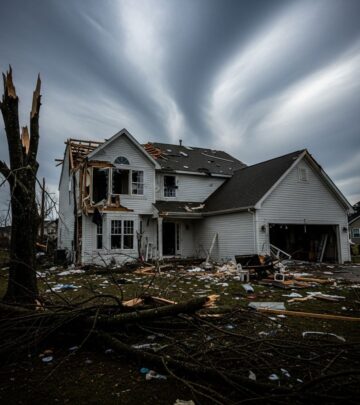
Hail Damage and Home Insurance Coverage
Discover if your homeowners policy protects against hail storms, understand deductibles, claims processes, and tips to safeguard your property effectively.
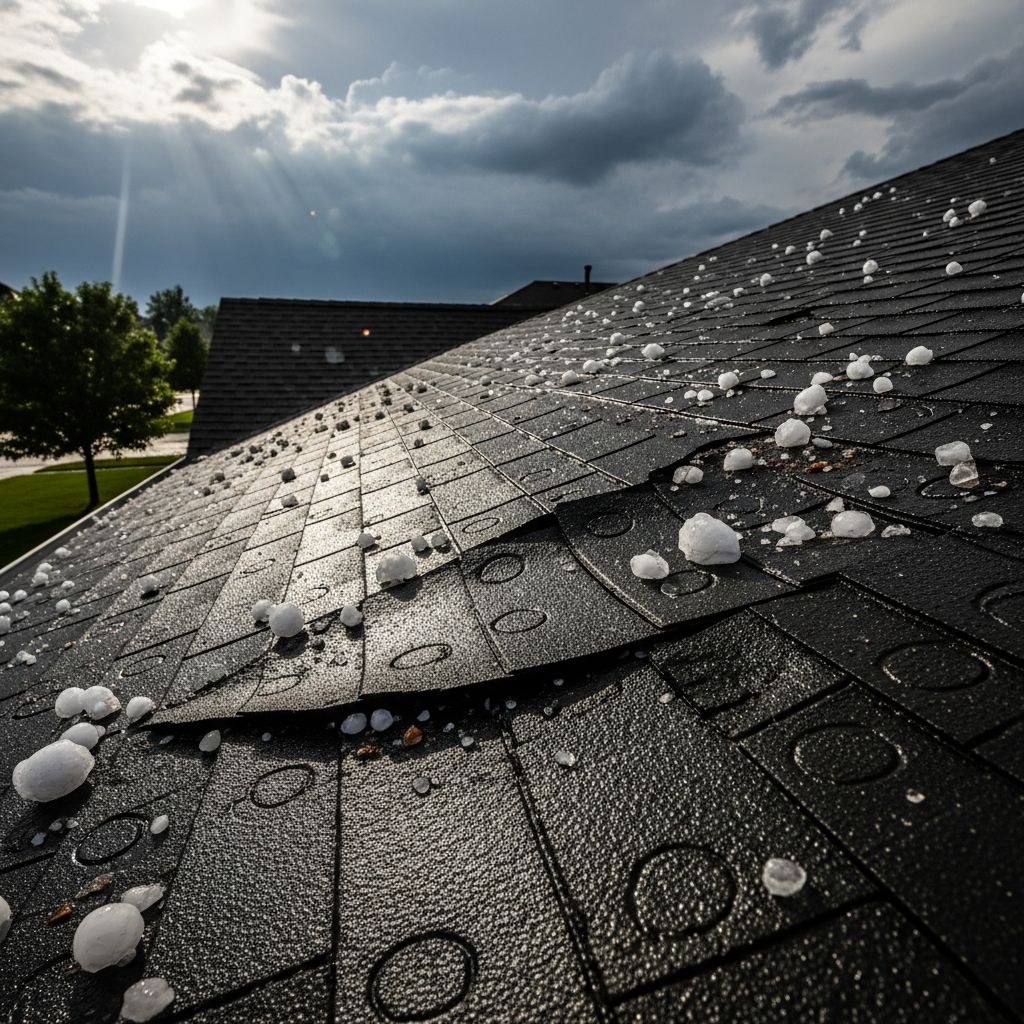
Standard homeowners insurance policies generally include protection against hail damage, covering repairs to your home’s structure, roof, siding, and other property features after a storm. This coverage applies minus your deductible, but specifics vary by policy, location, and insurer.
Understanding Hail as a Covered Peril
Hail storms can strike suddenly, pelting homes with ice chunks that dent siding, crack shingles, and cause leaks. Most HO-3 policies, the common all-risk form, list hail under covered perils alongside windstorms. This means insurers pay for sudden damage from hail but not gradual wear.
For instance, if hail breaches your roof leading to interior water damage, both the roof repair and affected belongings may qualify for reimbursement. Coverage extends to the dwelling itself, attached structures, and often personal items impacted indirectly.
- Dwelling protection: Handles hail impacts on the house frame, walls, and roof.
- Detached buildings: Includes garages, sheds, and fences damaged by falling hail.
- Contents coverage: Replaces hail-ruined patio sets or indoor items from leaks.
Average hail claims focus heavily on roofs, where asphalt shingles bruise or granule loss occurs from impact. Insurers assess severity to determine repair versus full replacement.
Coverage Limits and Payout Structures
Policies set maximum payouts per category, often as percentages of your dwelling limit. A $400,000 dwelling coverage might allocate 10% ($40,000) for other structures and 50-70% ($200,000-$280,000) for personal property.
| Coverage Type | Typical Limit (% of Dwelling) | Example ($400K Dwelling) |
|---|---|---|
| Dwelling (A) | 100% | $400,000 |
| Other Structures (B) | 10% | $40,000 |
| Personal Property (C) | 50-70% | $200,000-$280,000 |
| Loss of Use (D) | 20-30% | $80,000-$120,000 |
Roofs often receive actual cash value (ACV) settlements, depreciating based on age, unless you add replacement cost value (RCV) endorsements. ACV might pay $15,000 for a 15-year-old roof worth half its original cost, while RCV covers full new materials.
Navigating Deductibles for Hail Events
Deductibles represent your out-of-pocket cost before insurer payment. Standard ones are flat ($1,000-$5,000), but hail-prone areas like Texas or Colorado mandate percentage-based wind/hail deductibles (1-5% of dwelling value).
In a $10,000 roof repair with a 2% deductible on $300,000 coverage, you pay $6,000, insurer covers $4,000. Flat deductibles simplify math but percentage ones scale with home value, hitting larger homes harder.
- Flat deductible: Fixed amount, e.g., $2,500 per claim.
- Percentage deductible: 1-5% of dwelling, common in storm zones.
- Separate hail deductible: Applies only to wind/hail losses, not other claims.
Weigh filing if damage exceeds deductible by a comfortable margin; minor dents might not justify premium hikes post-claim.
Common Exclusions and Policy Gaps
Not all hail effects qualify. Policies exclude wear-and-tear mimicking hail, like granule loss from age, or cosmetic damage without functional loss. Flooding from melted hail isn’t covered— that’s flood insurance territory.
Neglect voids claims: an old, brittle roof prone to cracking fares worse, potentially deemed poor maintenance. Pre-existing damage or unreported prior storms also bar coverage.
Some insurers cap roof claims at ACV or require functional failure proof, rejecting purely aesthetic hits. Review endorsements for flood, earthquake, or ordinance/law coverage addressing code upgrades post-repair.
Step-by-Step Guide to Filing a Hail Claim
Act fast—most policies demand notice within days or a year. Delays risk denial if further damage worsens.
- Inspect safely: Use binoculars for roof; note dents, cracks, leaks. Photograph everything from multiple angles, including undamaged areas for contrast.
- Document thoroughly: Log storm date/time via weather apps. Video walkthroughs capture extent.
- Report promptly: Call agent or online portal. Provide policy number and initial details.
- Schedule adjuster: They inspect, estimate costs. Attend or hire contractor for second opinion.
- Receive settlement: Actual cash value first for roofs; recoverable depreciation after repairs.
- Choose repairs: Use cash for preferred contractors; insurers pay approved vendors directly sometimes.
Professional roofers spot subtle hail signatures like ‘mattering’ (random bruising) versus uniform wear. Independent assessments strengthen disputes if adjuster lowballs.
Regional Variations in Hail Coverage
Hail hotspots like the Midwest (‘Hail Alley’) or Plains trigger specialized rules. Nineteen states enforce hurricane/wind deductibles encompassing hail; Texas exemplifies with 1-5% thresholds during named storms.
Insurers in low-risk areas might omit hail deductibles, but high-frequency zones hike them or surcharge premiums. Shop policies balancing cost and robust storm protection.
Preventing and Mitigating Hail Risks
Impact-resistant shingles (Class 4 rated) withstand 2-inch hail, potentially lowering premiums 20-30% via discounts. Metal roofs excel in durability, though costlier upfront.
- Trim trees to avert branch missiles.
- Secure outdoor items pre-storm.
- Install hail guards on vents/gutters.
- Annual roof checks catch vulnerabilities.
Post-storm, tarp leaks temporarily but prioritize pro inspection—DIY risks claim denial.
Impact of Claims on Premiums and Coverage
One claim seldom cancels policy but expect 20-40% premium jumps, varying by state and loss history. Non-renewal looms after multiples in storm-heavy years.
Build claim-free history for better rates; consider high deductibles to deter small filings. Comparison shop annually, as loyalty rarely pays.
Frequently Asked Questions
Does renters insurance cover hail damage?
Renters policies protect personal property from hail leaks but not building structure—that’s landlord’s dwelling policy.
How soon must I file after hail?
Typically 30-365 days; check policy. Promptness preserves evidence.
Is cosmetic hail damage covered?
Often no, unless functional impairment like leaks. Policies specify.
Can I replace my roof with better materials after hail?
Matching law requires similar quality; upgrades come from your pocket unless endorsed.
What if hail damage occurred before policy start?
Not covered; prior insurer handles if active then.
References
- Does Home Insurance Cover Hail Damage? — Kin Insurance. 2023. https://www.kin.com/blog/is-hail-damage-covered-by-home-insurance/
- Does Home Insurance Cover Hail? — Progressive. 2024. https://www.progressive.com/answers/hail-damage-home-insurance/
- How Homeowners Insurance Covers Roof Hail Damage — Malarkey Roofing Products. 2023. https://www.malarkeyroofing.com/how-homeowners-insurance-covers-roof-hail-damage/
- Hail Damage and Home Insurance Coverage: What You Need to Know — Mintex Exteriors. 2024. https://mintexteriors.com/hail-damage-and-home-insurance-coverage-what-you-need-to-know.html
- Hail Damage Roof Risks: What Homeowners Need to Know — SageSure. 2023. https://sagesure.com/insurance-insights/hail-damage-to-my-roof/
Similar Articles








Read full bio of medha deb