Why Haggling Is Disappearing at the Car Dealership
Discover how low inventory, high prices, and online sales are transforming the car buying experience.

Can You Still Haggle for a New Car? How the Auto Market Is Changing
Buying a new car has traditionally been a time-consuming endeavor involving visits to multiple dealerships and extensive price negotiations. However, the automotive industry is undergoing a significant transformation that’s fundamentally reshaping how consumers purchase vehicles. Several converging trends are driving this change, making the classic haggling experience increasingly obsolete. From supply chain disruptions to the rise of electric vehicles and digital shopping platforms, the way people buy cars is evolving rapidly, offering both benefits and challenges for consumers.
The Rise of No-Haggle Car Dealerships
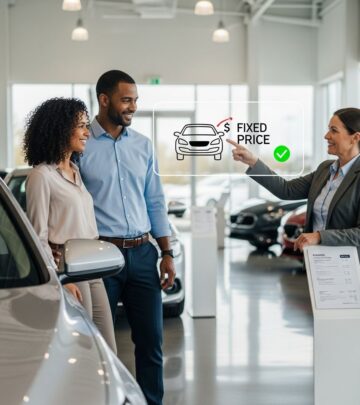
One of the most notable shifts in the automotive retail landscape is the proliferation of no-haggle pricing models. Large franchise dealership groups are increasingly advertising transparent, fixed pricing structures where the displayed price represents the dealership’s final offer. According to industry experts, this approach is being promoted as a more efficient and transparent purchasing process that eliminates the confusion and potential frustration associated with traditional negotiations.
The appeal of no-haggle dealerships extends beyond just dealer convenience. Research indicates that some car buyers are actually willing to pay a premium for this pricing transparency and streamlined purchasing experience. Customers who prefer to “purchase with no friction” find this model particularly attractive, as it removes the uncertainty and back-and-forth negotiation typically involved in car buying. Major warehouse clubs like Costco are also leveraging their market position to negotiate pre-arranged no-haggle prices with participating dealerships, further normalizing this purchasing approach among their members.
Industry experts predict that no-haggle options will coexist alongside traditional haggling processes. While some consumers still appreciate the in-person dealership experience and the opportunity to work with a salesperson, the trajectory clearly points toward increased adoption of fixed-price models. This hybrid future suggests that both purchasing methods will remain available, catering to different consumer preferences and demographic groups.
How Inventory Shortages Changed Buyer Leverage
The fundamental power dynamic in car negotiations has shifted dramatically in recent years. Supply chain disruptions that began in 2021 fundamentally altered the balance between buyers and sellers. Dealerships faced severe inventory constraints, which meant vehicles were moving quickly at or near full asking prices, eliminating the traditional incentive to negotiate or offer discounts.
The data illustrates this shift starkly. Three years ago, the average discount on new vehicles hovered around $2,500, a figure consumers had grown accustomed to receiving below manufacturer’s suggested retail price (MSRP). By mid-year, this average discount plummeted to just $616, reflecting the dramatic shift in market dynamics. For brands with particularly limited supply, such as Toyota, dealerships have resorted to pre-selling the majority of their inventory, with some online listings showing price markups exceeding 10% above sticker prices.
However, buyer leverage varies significantly depending on the specific vehicle. Consumers interested in vehicles from brands like Buick and Dodge, which enjoy greater market supply, still retain reasonable negotiating power. In contrast, buyers seeking popular models from Honda, Kia, and Subaru find themselves with minimal leverage to negotiate, as demand substantially exceeds available inventory.
Electric Vehicles and Direct-to-Consumer Sales Models
The electric vehicle revolution is accelerating the disappearance of haggling by introducing direct-to-consumer sales models that bypass traditional dealership structures entirely. EV manufacturers including Tesla, Rivian, and Lucid have pioneered approaches where customers purchase vehicles online with delivery directly to their homes. This model eliminates haggling entirely by design, replacing negotiation with fixed digital pricing.
EV makers have actively pursued regulatory approval to sell vehicles without dealership intermediaries, though success has been mixed across different state jurisdictions. In certain cases, state regulations still require dealerships to serve as legal middlemen in direct-to-consumer transactions, though the buying experience remains largely unchanged from a consumer perspective.
Recognizing the appeal of this streamlined approach, traditional automakers are adapting their strategies. Ford, for instance, has announced plans to implement no-haggle pricing for all in-store and online EV purchases by January, acknowledging that customers report more positive purchasing experiences when negotiations are eliminated. Younger buyers demonstrate a particular preference for this online, no-haggle ordering model, appreciating the ability to specify exact vehicle preferences regarding trim level and color without traditional sales pressure.
The advantages of online vehicle ordering continue improving as the industry develops more efficient delivery systems. While delivery timelines can range from six weeks to several months depending on order queues, customers increasingly accept these timeframes in exchange for a streamlined, pressure-free purchasing experience.
Market Dynamics and New Car Sales Performance
Despite high prices and reduced discounting power for consumers, the new car market has remained surprisingly robust. Year-to-date new car sales figures demonstrate resilience, with sales up 12% compared to the first half of 2022. This strong performance further reduces dealership incentives to negotiate or offer discounts, as inventory continues moving rapidly without significant price reductions.
This sustained demand reflects various factors including pent-up consumer demand, limited used car availability pushing some buyers toward new vehicles, and strong employment conditions supporting vehicle purchases. As long as demand remains strong relative to supply, dealerships maintain little motivation to engage in traditional haggling or offer aggressive discounts.
The Role of Online Information and Pricing Transparency
The internet has fundamentally democratized vehicle pricing information. Services like Kelley Blue Book and Edmunds have made vehicle valuations publicly accessible, eliminating dealerships’ historical information monopoly. Contemporary platforms including TrueCar, Cars.com, and Autotrader enable consumers to instantly compare vehicle prices across dealerships nationwide.
This transparency has profound implications for haggling. Many dealerships now publish non-negotiable internet prices, fundamentally changing the dynamics of in-person negotiations. Consumers arriving at dealerships armed with comparative pricing data from multiple sources possess far greater bargaining knowledge than previous generations. In response, many dealerships have adopted fixed pricing strategies to streamline the sales process and avoid the complications created by informed consumers comparing prices across outlets.
Key Factors Transforming Car Buying
Several interconnected trends are collectively reshaping automotive retail:
Supply Chain Normalization: While inventory constraints that peaked during 2021-2023 are gradually easing, their effects continue rippling through the industry, favoring dealer profitability over consumer discounting.
Electric Vehicle Adoption: EV market share continues expanding, introducing buyers to direct-to-consumer models and online purchasing that inherently lack haggling mechanisms.
Consumer Preference Evolution: Demographic shifts, particularly among younger buyers, show strong preferences for transparent, efficient purchasing processes over traditional negotiation experiences.
Technology Integration: Enhanced online ordering capabilities, improved delivery logistics, and digital financing options are creating viable alternatives to traditional in-person dealership visits.
Dealership Consolidation: Large franchise groups standardizing operations across multiple locations increasingly adopt no-haggle pricing for operational consistency and brand standardization.
Frequently Asked Questions
Q: Can I still negotiate prices at dealerships?
A: Negotiation potential depends on the specific vehicle and brand. Cars with limited supply offer minimal negotiating room, while vehicles from brands with greater inventory may still be subject to negotiation. However, this varies significantly by dealership and market conditions.
Q: What is no-haggle pricing?
A: No-haggle pricing means the advertised price is the dealership’s final offer with no opportunity for negotiation. Dealerships market this model as transparent and efficient, eliminating the confusion associated with traditional haggling.
Q: Are electric vehicles cheaper to purchase than traditional vehicles?
A: EV pricing varies widely. While some EVs may have higher sticker prices than comparable traditional vehicles, federal incentives and lower operating costs can improve overall value. However, pricing has become increasingly variable as manufacturers adjust to market conditions.
Q: How long does online vehicle delivery typically take?
A: Delivery timeframes generally range from six weeks to several months, depending on order queues and manufacturing schedules. Some orders may take longer if there are backlogs ahead of yours.
Q: Will traditional car dealership haggling completely disappear?
A: Industry experts predict that traditional haggling will coexist with no-haggle pricing rather than disappearing entirely. Different consumers prefer different purchasing methods, and market segmentation will likely support both approaches.
Q: Which age groups prefer no-haggle purchasing?
A: Younger buyers demonstrate stronger preferences for online, no-haggle ordering experiences. Older demographics may continue preferring traditional in-person dealership negotiations, though this pattern is gradually evolving.
What This Means for Future Car Buyers
The transformation of automotive retail has substantial implications for how consumers will purchase vehicles in coming years. The era of expecting significant discounts below MSRP appears to be waning, replaced by more stable pricing that may occasionally include modest discounts but rarely involves dramatic negotiations. Buyers will increasingly encounter fixed-price purchasing options, whether through dealership no-haggle programs or direct EV manufacturer sales.
Successful car buyers in this evolving landscape will leverage online research tools to understand fair market pricing, compare options across dealerships and platforms, and make informed purchasing decisions based on comprehensive data rather than negotiating prowess. Those interested in specific vehicle features, colors, or trim levels will find online ordering increasingly attractive, while consumers prioritizing personal interaction may continue seeking dealerships that maintain traditional sales processes.
The automotive industry’s transformation reflects broader retail trends toward transparency, efficiency, and digital integration. As inventory gradually normalizes and the EV market continues expanding, the traditional car-buying experience characterized by lengthy dealership visits and price haggling will increasingly become a historical artifact rather than standard practice.
References
- Why Haggling Is Disappearing at the Car Dealership — Money. November 2024. https://money.com/haggling-car-dealership-is-disappearing/
- Cox Automotive Market Data — Cox Automotive. 2024. https://www.coxautoinc.com/
- Edmunds Vehicle Pricing and Research — Edmunds. 2024. https://www.edmunds.com/
- Acertus Automotive Industry Logistics — Acertus. 2024. https://www.acertus.com/
- Capital One Auto Finance Consumer Research — Capital One. 2024. https://www.capitalone.com/
- Kelley Blue Book Vehicle Valuation Services — Cox Media. 2024. https://www.kbb.com/
Similar Articles








Read full bio of medha deb