Guiding Kids Through Their First Debit Card
Equip your children with essential money skills by introducing their first debit card safely and effectively for lifelong financial success.
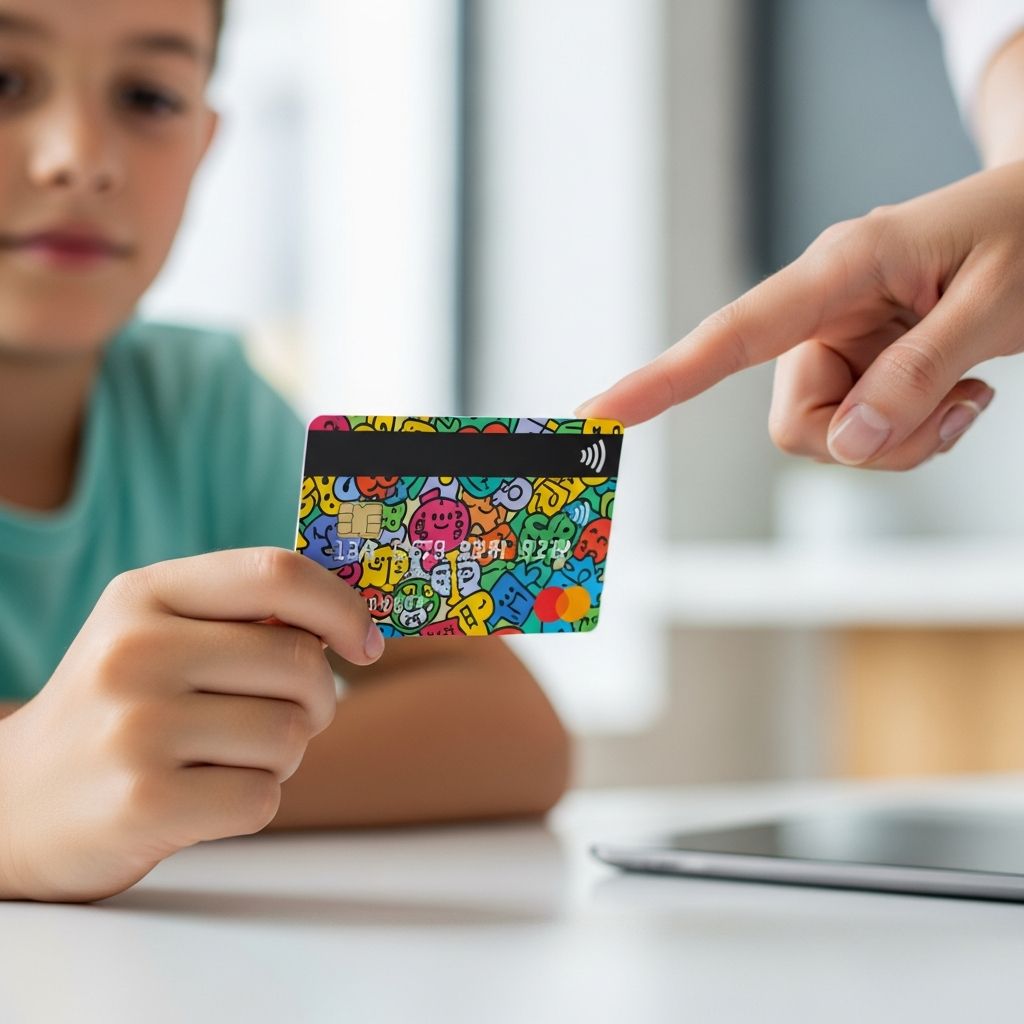
Introducing a debit card to children marks a pivotal step in their financial education. It transforms abstract money concepts into tangible experiences, helping them grasp spending, saving, and responsibility in real-world scenarios. Parents play a crucial role in this process by providing structured guidance that builds confidence and prevents common mistakes.
Understanding the Fundamentals of Debit Cards
Before handing over a debit card, ensure your child comprehends its core mechanics. Unlike cash, a debit card deducts funds directly from a linked bank account, offering convenience without the risk of carrying physical money. Explain that every swipe or tap reduces their available balance immediately, emphasizing the need to monitor funds closely to avoid overdrafts.
Distinguishing debit from credit is essential early on. Debit uses existing money, while credit involves borrowing with repayment obligations and potential interest. Use simple analogies: debit is like spending from your piggy bank, credit is like borrowing from a friend with a promise to repay later, possibly with extra.
- Debit: Money leaves your account instantly.
- Credit: Money is borrowed; bills arrive later.
- Gift cards: Pre-loaded value for specific uses, non-reloadable like cash.
Establishing Boundaries for Safe Usage
Clear rules form the foundation of responsible card use. Start by agreeing on spending caps tailored to your child’s age and maturity—perhaps $20 weekly for preteens, adjustable as they prove reliability. Discuss permissible purchases, like groceries or school supplies, versus restricted ones such as in-app games or snacks.
Joint account oversight allows parents to track activity in real-time via apps, turning reviews into teachable moments. Weekly check-ins reveal patterns, like frequent small buys adding up, fostering awareness.
| Age Group | Suggested Starting Limit | Review Frequency |
|---|---|---|
| 8-12 years | $10-20/week | Weekly |
| 13-15 years | $30-50/week | Bi-weekly |
| 16-17 years | $75+/week | Monthly |
Mastering Budgeting with Real Purchases
A debit card excels as a budgeting tool. Guide children to allocate funds into categories: 50% needs (essentials), 30% wants (fun), 20% savings. Apps with visual trackers make this engaging, showing progress toward goals like a new game.
Practice with small, everyday buys—lunch or bus fare—then reconcile against statements. This highlights discrepancies between planned and actual spending, teaching adjustment.
Navigating Online and Digital Transactions Securely
Online shopping is ubiquitous, so prioritize digital safety. Instruct against public Wi-Fi purchases to prevent data interception. Opt for sites with HTTPS locks and two-factor authentication.
Discuss phishing: never share card details via unsolicited links. Enable transaction alerts for instant notifications of activity.
Protecting Personal Information and PINs
PIN security is non-negotiable. Advise unique, memorable codes avoiding birthdays or sequences. Never disclose to anyone, even friends, and shield keypads during entry.
Cover skimming risks at ATMs or stores, recommending well-lit, bank-affiliated machines. Report lost cards immediately to freeze accounts.
Recognizing and Avoiding Hidden Fees
Fees can erode balances quickly. Explain overdraft charges for insufficient funds, out-of-network ATM costs, and foreign transaction penalties. Choose no-fee youth accounts to minimize risks.
Teach balance checks before spends via apps or texts, preventing overdrafts. Review statements monthly to spot and dispute errors.
When Cards Make Sense Versus Cash
Not every purchase warrants a card. Cash suits small, tangible buys to feel money’s ‘weight.’ Cards shine for tracking and larger, safer transactions without carrying bills.
ATM etiquette: Use your bank’s machines, check balances first, and count withdrawals discreetly.
Modeling Financial Behavior Daily
Kids mirror parents. Verbalize your decisions: “This coffee is a want; I’ll skip to save for vacation.” Share statements, showing disciplined habits.
Evolving Rules as Skills Grow
Treatment should adapt. Early strict limits loosen with demonstrated responsibility. Celebrate milestones like consistent savings or fraud spotting.
Choosing the Right Starter Account
Youth checking accounts, often fee-free with parental controls, suit ages 13+. Prepaid cards offer training wheels without overdraft risks. At 18, transition to full independence.
- Joint accounts: Shared visibility.
- Authorized user: Limited access.
- Prepaid: Fixed loads.
Frequently Asked Questions
What age is ideal for a child’s first debit card?
Around 13, when basic math and responsibility emerge, though younger with heavy supervision.
How do I prevent overdrafts?
Set alerts, low balances limits, and teach pre-purchase checks.
Can kids use debit cards online?
Yes, with parental approval, secure sites, and virtual card numbers for one-time use.
What if the card is lost?
Report immediately; most banks freeze remotely and issue replacements.
How to teach debit vs. credit effectively?
Use visuals: debit shrinks your jar, credit borrows from another’s.
Building Lifelong Financial Confidence
Consistent guidance turns debit card introduction into a launchpad for habits like saving, prudent spending, and security awareness. Regular dialogues ensure growth, preparing kids for complex finances ahead.
References
- How to Safely Introduce Your Kids to A Debit Card — Guardian Credit Union. 2023. https://www.guardiancu.org/blog/how-to-safely-introduce-your-kids-to-a-debit-card/
- 6 Practical Tips for Teaching Kids About Debit Cards — Lisle Savings Bank. 2023. https://www.lsb.bank/Blog/Article/6-practical-tips-for-teaching-kids-about-debit-cards
- Teaching Your Kids About Debit and Credit Cards — North Shore Bank. 2022-11-02. https://www.nsbank.com/personal/community/two-cents-blog/2022-11-02-teaching-your-kids-about-debit-and-credit-cards/
- Teaching Kids About Debit & Credit Cards — Harvard Federal Credit Union. 2023. https://blog.harvardfcu.org/teaching-kids-about-debit-credit-cards
- Teaching Debit Card, Credit Card and Gift Card Basics for Kids — YouTube (Transcript). 2023. https://www.youtube.com/watch?v=FbjlEp_sII8
- Teaching the Basics of Checking Accounts to Kids — Five Star Bank. 2023. https://www.five-starbank.com/resources/teaching-the-basics-of-checking-accounts-to-kids
Similar Articles








Read full bio of medha deb