Student Loans: Essential Guide To Federal And Private Options
Master the complete process of obtaining federal and private student loans to fund your higher education without unnecessary debt.

Student loans provide essential funding for higher education when scholarships, grants, and savings fall short. Understanding the types available, eligibility criteria, and application processes ensures you borrow wisely. This guide outlines federal and private options, step-by-step instructions, and strategies to manage debt effectively.
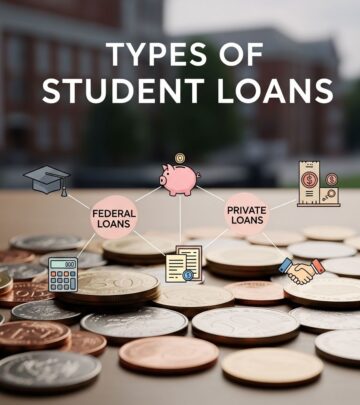
Understanding Federal vs. Private Student Loans
Federal student loans, issued by the U.S. Department of Education, offer fixed interest rates, flexible repayment plans, and borrower protections like income-driven repayment and forgiveness programs. They do not require credit checks, making them accessible to most students.
Private loans from banks, credit unions, or online lenders often have variable rates, stricter credit requirements, and fewer protections. They serve as a supplement after exhausting federal aid but typically carry higher costs.
| Feature | Federal Loans | Private Loans |
|---|---|---|
| Interest Rates | Fixed | Fixed or Variable |
| Credit Check | No (except PLUS) | Yes |
| Repayment Options | Multiple, including income-based | Limited, lender-specific |
| Forgiveness | Available | Rare |
| Borrowing Limits | Annual and aggregate caps | Up to cost of attendance |
Assessing Your Financial Need Before Borrowing
Calculate your college’s cost of attendance (COA), which includes tuition, fees, housing, food, books, transportation, and personal expenses. Subtract grants, scholarships, and work-study awards to determine the borrowing gap.
- Review your Student Aid Index (SAI) from the FAFSA to gauge expected family contribution.
- Prioritize free aid first: grants and scholarships do not require repayment.
- Estimate post-graduation salary to ensure loan payments fit your budget—aim for total debt under your first year’s expected income.
Borrow only what you need; overborrowing leads to higher interest accrual and longer repayment periods.
Step-by-Step Guide to Federal Student Loans
Federal loans form the foundation of most aid packages. The process begins well before enrollment.
Step 1: Complete the FAFSA
Submit the Free Application for Federal Student Aid (FAFSA) at studentaid.gov as early as October 1 for the upcoming academic year. Gather tax returns, W-2s, bank statements, and investment records beforehand. Parents or spouses may need to contribute data for dependent students.
Eligibility requires U.S. citizenship or eligible noncitizen status, a valid Social Security number, enrollment in an eligible program, and satisfactory academic progress.
Step 2: Receive and Review Aid Offers
Colleges send financial aid award letters detailing loans, grants, and work-study. Compare offers across schools, factoring in net costs after aid.
Step 3: Accept Loans and Complete Requirements
Log into your school’s portal to accept loan amounts. First-time borrowers must finish entrance counseling and sign a Master Promissory Note (MPN) online.
Types of Federal Direct Loans
- Subsidized: For undergraduates with need; government pays interest while in school.
- Unsubsidized: Available to undergraduates and graduates; interest accrues immediately.
- PLUS: For parents or graduate students; covers remaining COA after other aid, requires credit check.
Annual limits vary: e.g., $5,500–$7,500 for first-year dependents on subsidized/unsubsidized loans.
Navigating Private Student Loans
Use private loans only after maxing federal options. They fill gaps but demand careful shopping.
Key Preparation Steps
- Check Credit: Build or improve scores; consider a cosigner with strong credit for better rates.
- Compare Lenders: Evaluate APR, fees, repayment terms, and cosigner release options using tools like creditor comparison charts.
- Gather Documents: SSN, ID, proof of address, income verification, debt statements.
Application Process
Apply online with lenders like credit unions or banks. Provide school details for certification. Funds disburse directly to the school; excess refunds go to you for certified expenses.
Review offers thoroughly—negotiate if competing awards exist. Approval times vary, so apply 30–60 days before tuition due dates.
Timing Your Applications Strategically
File FAFSA early for priority state and institutional aid. Accept federal loans promptly to meet enrollment deadlines. For private loans, apply after aid packages solidify but before bills arrive.
Deadlines: FAFSA open October 1–June 30 annually (e.g., 2025-26 by June 30, 2026).
Smart Borrowing Practices and Cost Management
- Minimize debt: Live frugally, pursue part-time work, or attend community college first.
- Understand repayment: Federal offers 6-month grace periods; explore plans like SAVE or PAYE.
- Avoid scams: Use only studentaid.gov for FAFSA; beware unsolicited loan relief offers.
Post-graduation, make payments on time to build credit. Refinance federal loans cautiously, as it forfeits protections.
Frequently Asked Questions (FAQs)
What is the first step to get federal student loans?
Complete the FAFSA form at studentaid.gov.
Do private loans require a cosigner?
Often yes, especially for students without credit history.
Can I borrow more than tuition costs?
Federal limits apply; private up to full COA minus other aid.
What if I can’t make payments?
Federal options include deferment, forbearance, or income-driven plans.
How soon after FAFSA do I get aid offers?
Schools send letters after acceptance, often weeks post-FAFSA submission.
Long-Term Strategies for Loan Success
Plan ahead by estimating total debt against career earnings. Use calculators from studentaid.gov to project payments. Build emergency savings during school to ease transition to repayment.
Stay informed on policy changes via official sites. Graduates with manageable debt enter careers stronger, focusing on growth rather than financial stress.
References
- How to Take Out a Student Loan: Step-by-Step Guide 2025 — Sound Credit Union. 2025. https://www.soundcu.com/blog/should-i-take-out-a-student-loan-when-to-get-them-and-how-to-manage/
- How to apply for student loans: Federal and Private — Citizens Bank. 2025. https://www.citizensbank.com/learning/how-to-apply-for-student-loans.aspx
- BestColleges’ Guide to Student Loans — BestColleges. 2025. https://www.bestcolleges.com/resources/college-loans/
- How do I apply for a federal student loan? — Federal Student Aid (studentaid.gov). 2025. https://studentaid.gov/help-center/answers/article/how-to-apply-for-federal-student-loan
- Loans | Federal Student Aid — Federal Student Aid (studentaid.gov). 2025. https://studentaid.gov/understand-aid/types/loans
Similar Articles








Read full bio of Sneha Tete