Guide to Purchasing Foreclosed Properties
Unlock savings and opportunities by mastering the process of buying foreclosed homes, from auctions to REO deals with expert strategies.

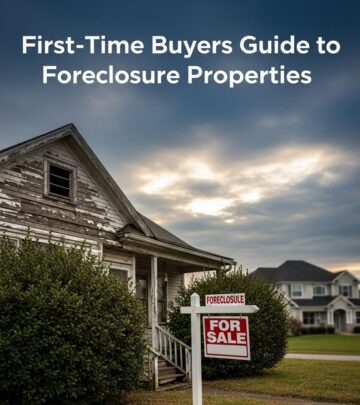
Foreclosed properties offer savvy buyers a chance to acquire homes at reduced prices, but the process demands careful planning and awareness of unique challenges. This comprehensive guide outlines the essential pathways, preparation steps, and strategies to navigate foreclosures successfully.
Understanding Foreclosure Basics
Foreclosure occurs when a homeowner defaults on their mortgage, prompting the lender to reclaim the property. This leads to several buying opportunities, each with distinct characteristics. Properties can be snapped up before full foreclosure, at public auctions, or after banks take ownership as
Real Estate Owned (REO)
assets.Pre-foreclosure happens early when owners receive a notice of default but still own the home. Buyers can negotiate directly with distressed owners, potentially avoiding auction competition. Auctions follow if unresolved, where the highest bidder claims the property “as-is,” often requiring immediate cash payment. REO properties are lender-held homes post-auction failure, listed for sale with clearer titles but still needing repairs.
- Pre-foreclosure: Direct deals with owners facing default.
- Auction: Competitive bidding, no inspections, cash-heavy.
- REO: Bank listings, agent access, possible inspections.
Key Advantages and Drawbacks
Buying foreclosed homes appeals due to
price discounts
—often 20-30% below market value—ideal for investors or first-time buyers seeking equity. Faster closings and motivated sellers (banks) streamline transactions. However, risks abound: hidden damages, unclear titles, and no warranties make renovations costly.| Aspect | Pros | Cons |
|---|---|---|
| Auctions | Deep discounts, quick possession | Cash only, no inspections, competition |
| REO | Inspections allowed, financing options | As-is condition, potential liens |
| Pre-foreclosure | Negotiation room, motivated sellers | Emotional sellers, title issues |
Preparing Financially for the Purchase
Financial readiness is crucial. For auctions, secure cash or certified funds—many require $5,000 deposits or bid percentages upfront. REO buys often allow mortgages, so obtain
pre-approval
early to strengthen offers. Compare lenders for competitive rates and discuss foreclosure-specific loans like FHA 203(k) for repairs.Budget for extras: earnest money (1-3% of price), closing costs, and repair estimates. Pre-approval verifies borrowing power and signals seriousness to sellers.
Finding Available Foreclosure Opportunities
Search platforms like MLS, Realtor.com, or Zillow flag foreclosures as “bank-owned” or “REO”. Government sites like HUD.gov list agency-held properties. Local courthouses post auction notices, and foreclosure-specific sites aggregate listings.
Monitor newspapers and trustee websites for auction details. Network via investor groups for off-market pre-foreclosure leads.
Assembling Your Buying Team
Partner with a
foreclosure-savvy real estate agent
experienced in REO listings and auctions. They access exclusive inventories, negotiate with banks, and handle paperwork. Engage a real estate attorney to review contracts, auction terms, and liens—essential for title clarity.Inspectors specializing in distressed properties estimate rehab costs accurately. Title companies perform searches to uncover liens or clouds on ownership.
Navigating the Auction Process
Auctions demand strategy: research minimum bids (often unpaid loan balance), property history, and comps. Arrive with required funds—certified checks payable to trustees. Bid conservatively to avoid overpaying in the heat of competition.
Post-win, expect a trustee’s deed with limited warranties. Immediately secure the property and conduct a title search for surprises.
Securing and Submitting Offers on REO Properties
REO sales mimic traditional buys but faster. Agents submit offers with proof of funds or pre-approval, plus earnest deposits held in escrow. Banks prioritize quick, cash-strong bids but accept contingencies sparingly.
Customize offers: highlight repair plans or quick closes. Use addendums for inspections if permitted.
Essential Due Diligence: Inspections and Appraisals
Foreclosures hide issues like plumbing failures or mold. Order thorough
inspections
pre-offer when possible, estimating full repair costs. Appraisals, lender-mandated, confirm value and protect against overbidding.- Structural integrity check
- HVAC and roof assessment
- Pest and environmental scans
Title searches reveal liens, taxes, or judgments.
Financing Your Foreclosure Purchase
Conventional loans suit REO; auctions favor cash. FHA loans cover REOs with repair allowances. Portfolio lenders offer flexible terms for investors. Finalize underwriting post-inspection, preparing for as-is clauses.
Closing the Deal Successfully
Closing accelerates—often 30 days. Review disclosures, sign docs, and transfer funds. Walk the property pre-close. Post-purchase, evict occupants if needed and plan rehabs.
Risks to Anticipate and Mitigate
Vigilance counters pitfalls: occupancy disputes, environmental hazards, or bidding wars. As-is sales mean buyer bears repair burdens. Mitigate with pros, budgets, and conservative bids.
Frequently Asked Questions
Can first-time buyers purchase foreclosures?
Yes, with pre-approval and agent guidance, though auctions suit cash buyers better.
Are financing options limited?
No, FHA and conventional loans work for REOs; cash rules auctions.
How much below market can I buy?
Discounts vary, often 10-30%, depending on condition and market.
Do I need cash for all foreclosures?
Auctions yes; REO allows mortgages.
What if the property has liens?
Title searches identify them; negotiate payoffs or walk away.
Final Strategies for Foreclosure Success
Start small, learn local laws, and build a network. Patience yields deals—foreclosures reward the prepared.
References
- Buying A Foreclosed Home: Pros, Cons and A Step-by-Step Guide — Rocket Mortgage. 2023. https://www.rocketmortgage.com/learn/buying-a-foreclosed-home-pros-cons-and-how-to-purchase
- Buying a Foreclosed Home: How a Foreclosure Sale Works — Realtor.com. 2023. https://www.realtor.com/advice/buy/what-does-buying-a-foreclosed-home-entail/
- Legal Steps for Buying a Foreclosed Property — Super Lawyers. 2023. https://www.superlawyers.com/resources/real-estate/residential-real-estate-transactions/legal-steps-for-buying-a-foreclosed-property/
- Buying a Foreclosed Home: What You Need to Know — Zillow. 2023. https://www.zillow.com/learn/buying-a-foreclosed-home/
- The REO Guide: 10 Steps to Buying a Bank-Owned Home — PennyMac. 2023. https://www.pennymac.com/blog/reo-guide-10-steps-to-buying-bank-owned-home
- What You Should Know About Buying a Home in Foreclosure — Freddie Mac. 2023. https://myhome.freddiemac.com/blog/homebuying/what-you-should-know-about-buying-a-home-in-foreclosure
Similar Articles








Read full bio of Sneha Tete