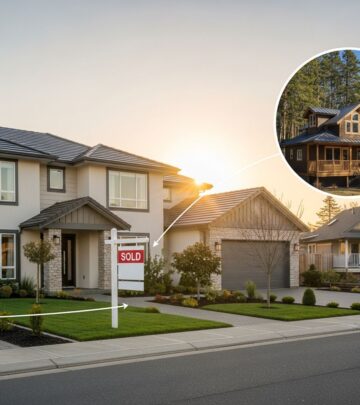
Guide to Purchasing a Second Home
Navigate the complexities of buying a second home with expert insights on financing, costs, taxes, and strategic planning for 2026.

Acquiring a second home represents a significant milestone in personal wealth building and lifestyle enhancement. Whether envisioned as a serene vacation retreat, a potential rental income generator, or a future retirement haven, this decision demands careful evaluation of financial readiness, market dynamics, and long-term implications. In 2026, with stabilizing interest rates and evolving housing trends, opportunities abound for prepared buyers. This guide provides a roadmap to success, drawing on current lending standards and economic insights.
Defining Your Objectives for a Second Property
The first step in this journey involves clarifying the property’s role in your portfolio. A second home typically serves personal use, such as weekend getaways or family gatherings, while an investment property prioritizes rental revenue. This distinction profoundly influences financing, taxes, and management strategies.
- Personal Vacation Home: Ideal for relaxation in desirable locations like beaches or mountains. Lenders classify these as second homes if you intend occasional occupancy.
- Rental-Focused Investment: Targets cash flow through short-term rentals (e.g., Airbnb) or long-term leases, but triggers stricter loan terms.
- Hybrid Use: Balances personal enjoyment with income generation, though lenders may scrutinize rental projections.
Assess your goals against lifestyle needs and risk tolerance. For instance, proximity to your primary residence—often required to be at least 50-100 miles away—ensures it qualifies as a true second home rather than an investment.
Financial Readiness: Building a Solid Foundation
Before pursuing properties, conduct a thorough financial health check. Lenders impose rigorous criteria for second homes, exceeding those for primary residences.
| Factor | Primary Residence | Second Home |
|---|---|---|
| Down Payment | 3-5% possible | 10-25% minimum |
| Credit Score | 620+ typical | 680+ preferred |
| Debt-to-Income (DTI) Ratio | Up to 45% | 36-43% max |
| Cash Reserves | 2-6 months | 6-12 months expenses |
Maintain robust reserves covering 6-12 months of expenses on both properties, plus an emergency fund. Eliminate high-interest debt and ensure retirement savings hit 15% of income annually. Use tools like mortgage calculators to project affordability, factoring in doubled housing costs.
Navigating Financing Options in 2026
Second home mortgages feature higher rates—typically 0.5-1% above primary loans—and exclude government-backed programs like FHA or VA. Conventional loans dominate, with jumbo options for luxury properties.
- Conventional Second Home Loan: Requires 10% down for strong profiles; 20-25% otherwise. Rates stabilize in 2026 post-2023-2025 volatility.
- Home Equity Products: Tap primary home equity via HELOC or cash-out refinance for flexibility and potentially lower rates.
- Portfolio Loans: From credit unions or private lenders for unique scenarios, though costlier.
- Cash Purchase: Avoids qualification hurdles, ideal for affluent buyers eyeing softening markets.
Shop multiple lenders early; pre-approval strengthens offers and reveals exact borrowing power. Disclose intended use upfront to secure appropriate terms.
Property Criteria and Market Selection
Lenders mandate specific attributes for second home eligibility.
- Single-unit structures: Single-family homes, condos, townhouses (no multi-family).
- Year-round habitability: Proper HVAC, plumbing, no seasonal restrictions.
- Exclusive ownership: No timeshares or long-term leases.
- No professional management: Owner-handled or minimal involvement.
Target markets with strong demand—coastal areas, ski resorts, or urban escapes. In 2026’s softening housing sector, negotiate power rises for second homes. Factor local rental regulations, especially for short-term lets.
Step-by-Step Acquisition Process
Streamline your purchase with this proven sequence.
- Budget and Pre-Qualify: Calculate total costs (purchase + 2-5% closing, insurance, HOA). Obtain pre-approval specifying loan type.
- Documentation Assembly: Compile tax returns (2 years), W-2s, bank statements, asset proofs, primary mortgage details.
- Property Search: Partner with agents experienced in second homes; tour 10-20 options.
- Offer and Inspection: Submit with 1-3% earnest money; insist on professional inspections (structural, pest, radon).
- Appraisal and Underwriting: Lender verifies value and income; provide rental projections if applicable.
- Closing: Review HUD-1, wire funds, record deed. Expect 45-60 days total.
Ongoing Costs and Maintenance Realities
Beyond the mortgage, anticipate elevated expenses.
- Insurance: 20-50% higher due to vacancy risks; shop HO-3 policies.
- Taxes: Property taxes + potential surcharges; deduct mortgage interest if personal use exceeds 14 days/year.
- Maintenance: Budget 1-2% of value annually; remote locations amplify costs.
- Utilities/HOA: Ongoing even when vacant.
For rentals, reserve for vacancies (10-20%) and management (8-12% of rent).
Tax Strategies and Legal Considerations
Maximize benefits via IRS rules. Personal second homes allow interest deductions up to $750K debt; rentals enable depreciation, expense write-offs. Track usage meticulously—over 14 personal days shifts classification. Consult CPAs for 1031 exchanges if flipping investments. Adhere to local zoning for rentals.
Risks and Exit Strategies
Mitigate downsides: Market downturns, rising rates, maintenance surprises. Diversify via short-term rentals for offsets, but monitor burnout. Plan liquidity—sell if needs change, leveraging appreciation.
Frequently Asked Questions
What is the minimum down payment for a second home?
Typically 10%, rising to 20-25% for weaker profiles.
Can I use rental income to qualify?
Limited; lenders discount 25-75% for vacancies.
How far must a second home be from my primary?
No federal rule, but often 50+ miles per lender policy.
Are rates higher for second homes?
Yes, 0.5-1% premium over primary.
What if I rent it out occasionally?
Allowed if personal use dominates; track days carefully.
References
- Buying a Second Home in 2026: Costs, Taxes, and Financing — Baselane. 2026. https://www.baselane.com/resources/buying-second-home-costs-taxes-financing
- Second Home Mortgage | Requirements & Guide 2026 — The Mortgage Reports. 2026. https://themortgagereports.com/21116/second-home-mortgage-qualify-for-vacation-residence
- Preparing to Buy a Second Home in 2026: What You Need to Know — Loan Pronto. 2026. https://loanpronto.com/blog/prepare-to-buy-a-second-home-2026/
- 6 Things You Need to Know Before Buying a Second Home — Travelers Insurance. 2026. https://www.travelers.com/resources/home/buying-selling/6-things-you-need-to-know-before-buying-a-second-home
- Should You Buy A Second Home? What To Consider — Bankrate. 2026. https://www.bankrate.com/mortgages/things-to-know-before-you-buy-a-second-home/
- Second Homes and a Softening Housing Market — Towerpoint Wealth. 2026. https://towerpointwealth.com/second-homes-and-a-softening-housing-market-what-affluent-buyers-need-to-know/
Similar Articles








Read full bio of medha deb