Filing Car Insurance Claims: Step-By-Step For Faster Payouts
Master the car insurance claims process with this detailed step-by-step guide to ensure quick resolution and fair compensation after any accident.
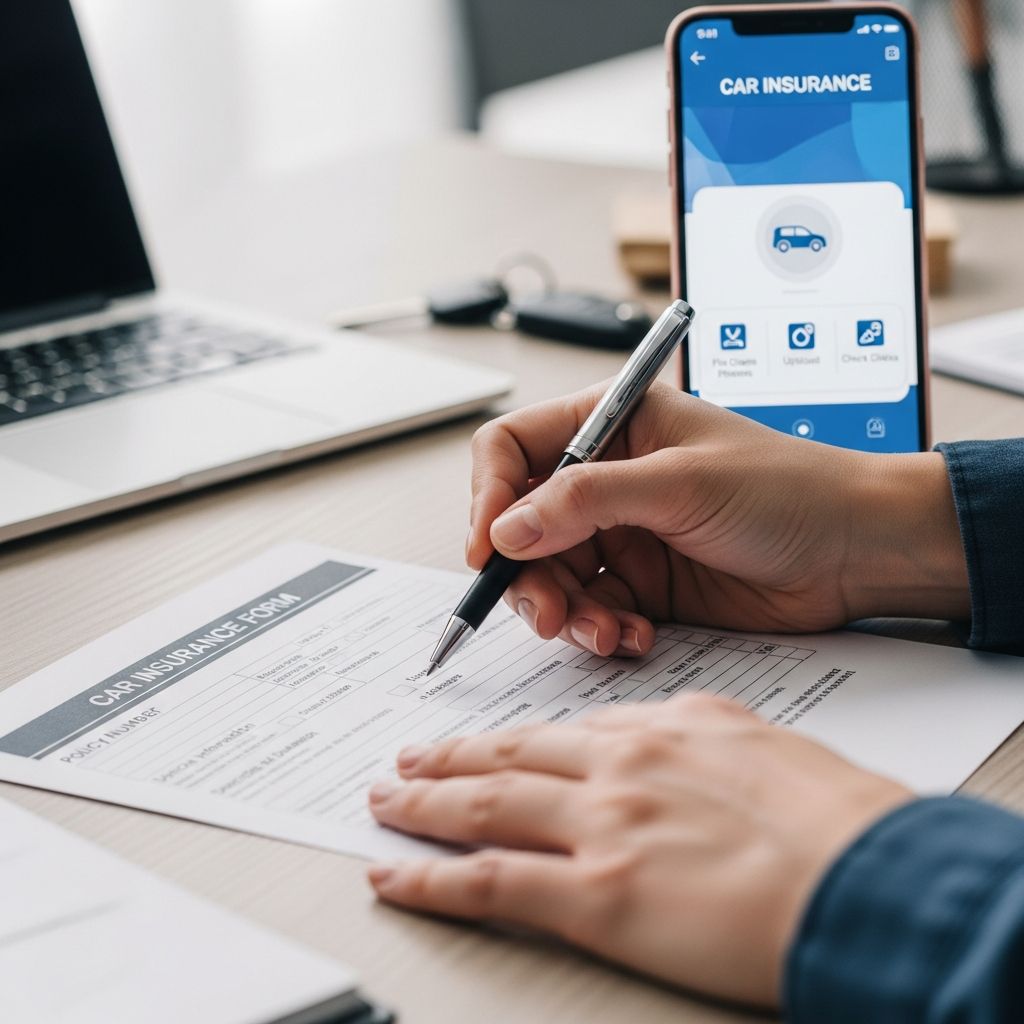
Navigating a car insurance claim can feel overwhelming after an accident, but understanding the process empowers you to act confidently and secure the coverage you’re entitled to. This guide outlines every phase, from the moments following a collision to final payout, helping you minimize stress and maximize efficiency.
Prioritizing Safety and Initial Response
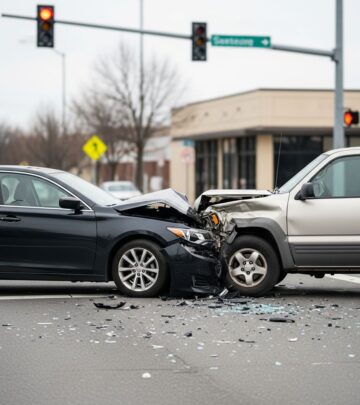
The first priority after any vehicular incident is ensuring the safety of all involved parties. Move vehicles to a safe location if possible to prevent further accidents, and check for injuries. Administer basic first aid if qualified, or call emergency services immediately for serious cases.
- Assess personal and others’ injuries without moving anyone unnecessarily if spinal damage is suspected.
- Activate hazard lights and set up warning triangles or flares in low-visibility conditions.
- Avoid admitting fault or discussing details beyond basic facts with other drivers.
Once safety is addressed, contact law enforcement to create an official record, which becomes crucial evidence later. Police reports provide unbiased accounts of the event, including diagrams and officer observations.
Documenting the Incident Thoroughly
Comprehensive documentation strengthens your claim by providing insurers with clear evidence. Capture details methodically to reconstruct the sequence accurately.
| Category | Details to Record |
|---|---|
| Scene Information | Date, time, exact location (use GPS coordinates if possible), weather, road conditions |
| Vehicle Details | Make, model, year, license plate, VIN for all cars involved |
| Party Information | Names, phone numbers, addresses, driver’s license numbers, insurance policy details |
| Evidence | Photos/videos of damage from multiple angles, skid marks, traffic signals, surrounding area |
Witness statements add valuable perspectives; politely request contact info and brief accounts from bystanders. Digital notes or voice recordings preserve recollections while fresh.
Choosing the Right Time and Method to Report
Report claims promptly—ideally within 24-48 hours—to avoid coverage disputes. Delays can complicate fault determination as memories fade or evidence dissipate. Most policies mandate notification “as soon as reasonably possible,” with state-specific statutes of limitations ranging from 1-3 years, but earlier is always better.
Modern insurers offer multiple channels for convenience:
- Online Portals/Apps: Fastest for minor claims; upload photos directly.
- Phone Support: 24/7 hotlines for immediate guidance and claim initiation.
- Agent Visits: Ideal for complex scenarios requiring in-person review.
Prepare your policy number, incident details, and gathered evidence before contacting. Receive a claim number immediately for tracking.
Understanding Claim Types and Coverage Options
Not all claims are identical; select the appropriate type based on circumstances.
- Collision Claims: Cover damage from crashes with another vehicle or object, regardless of fault (requires collision coverage).
- Comprehensive Claims: Handle non-collision events like theft, vandalism, hail, or animal strikes.
- Third-Party Claims: Filed against the at-fault driver’s insurer for liability coverage.
- First-Party Claims: Use your own policy for medical payments or uninsured motorist protection.
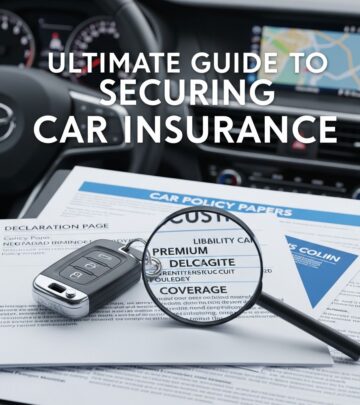
Review your declarations page to confirm limits and deductibles. Liability-only policies exclude your vehicle repairs.
The Adjuster’s Role and Investigation Phase
Insurers assign an adjuster to investigate objectively. Expect contact within 1-3 days; provide all documentation promptly.
Investigations involve:
- Reviewing your statement, photos, and police reports.
- Interviewing involved parties and witnesses.
- Inspecting vehicle damage via appraisal or photos.
- Analyzing traffic laws and fault percentages (comparative negligence in most states).
Be truthful and consistent; discrepancies can undermine credibility. Adjusters may use drones or third-party experts for accuracy.
Vehicle Inspection and Damage Valuation
Schedule inspections at approved shops for precise estimates. Adjusters compare damage against policy terms, distinguishing covered (e.g., collision repairs) from excluded items (e.g., pre-existing wear).
For total losses (repair costs exceed actual cash value), expect payout minus deductible. Dispute valuations with independent appraisals if needed.
| Damage Type | Typical Coverage | Estimated Timeline |
|---|---|---|
| Minor Dents/Scratches | Collision/Comprehensive | 1-2 weeks |
| Structural Frame Damage | Collision | 2-4 weeks |
| Total Loss | Actual Cash Value payout | 1-3 weeks |
Navigating Payments, Deductibles, and Settlements
Settlements occur post-investigation. Payments go to lienholders first if financed, with remainder to you. Deductibles apply to first-party claims only.
Subrogation follows: Your insurer seeks reimbursement from at-fault parties, potentially lowering future premiums. Negotiate settlements carefully; get offers in writing before repairs.
Common Mistakes to Avoid During Claims
- Skipping police reports in at-fault scenarios, weakening evidence.
- Accepting quick cash settlements without full damage assessment.
- Posting accident details on social media, which insurers monitor.
- Missing rental car coverage activation for temporary transport.
- Repairing without insurer approval, risking denied claims.
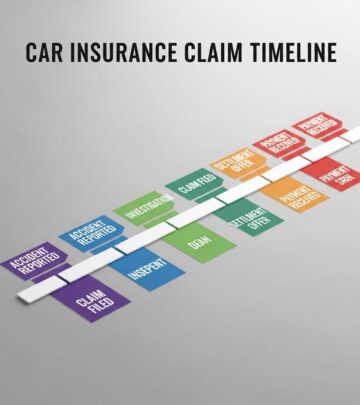
Timelines: What to Expect from Filing to Resolution
Processes vary by complexity, but here’s a standard framework:
- Day 1: File claim.
- Days 2-5: Adjuster assignment and initial review.
- Weeks 1-2: Inspection and fault decision.
- Weeks 2-4: Estimate approval and payment.
Delays arise from disputes or multiple parties; track via claim portals.
When to Involve Legal or Professional Help
Seek attorneys for severe injuries, disputed liability, or lowball offers. No-fault states handle medicals differently; consult state insurance departments for guidance. Public adjusters assist with valuations but charge fees.
Frequently Asked Questions (FAQs)
Should I file a claim for minor damage?
Yes, if repairs exceed your deductible and it’s not your fault. Weigh premium hikes against costs.
How does fault affect my claim?
At-fault drivers use liability coverage; others claim against it. Partial fault reduces payouts proportionally.
What if the other driver is uninsured?
Uninsured motorist coverage protects you; verify inclusion in your policy.
Can I choose my repair shop?
Typically yes, but insurers recommend networks for guaranteed work.
Will filing a claim raise my rates?
At-fault claims often do; accident forgiveness policies mitigate this.
Preparing for Future Claims: Policy Review Tips
Annually audit coverage: Increase limits for inflation, add roadside assistance, and bundle for discounts. Dash cams reduce disputes by providing video proof.
Understanding these steps equips you to handle claims efficiently, turning a chaotic event into a manageable process.
References
- How the Car Insurance Claims Process Works — The General. 2023. https://www.thegeneral.com/going-places/blog/car-insurance/how-the-car-insurance-claims-process-works/
- How to File a Car Insurance Claim — Nationwide. 2024. https://www.nationwide.com/lc/resources/auto-insurance/articles/how-to-file-car-insurance-claim
- What to Expect When Filing a Car Insurance Claim — Allstate. 2024. https://www.allstate.com/resources/car-insurance/how-to-file-a-car-insurance-claim
- You’ve Filed an Auto Insurance Claim. What’s Next? — Travelers Insurance. 2024. https://www.travelers.com/claims/manage-claim/auto-claim-process
- Navigating the Claims Process: Recover & Rebuild — NAIC. 2023-10-01. https://content.naic.org/article/consumer-insight-navigating-claims-process-recover-rebuild
Similar Articles








Read full bio of medha deb