Drivetrain Layouts: 4 Drivetrains Explained For Drivers
Explore drivetrain configurations from FWD to 4WD, their mechanics, pros, cons, and maintenance for optimal vehicle performance.
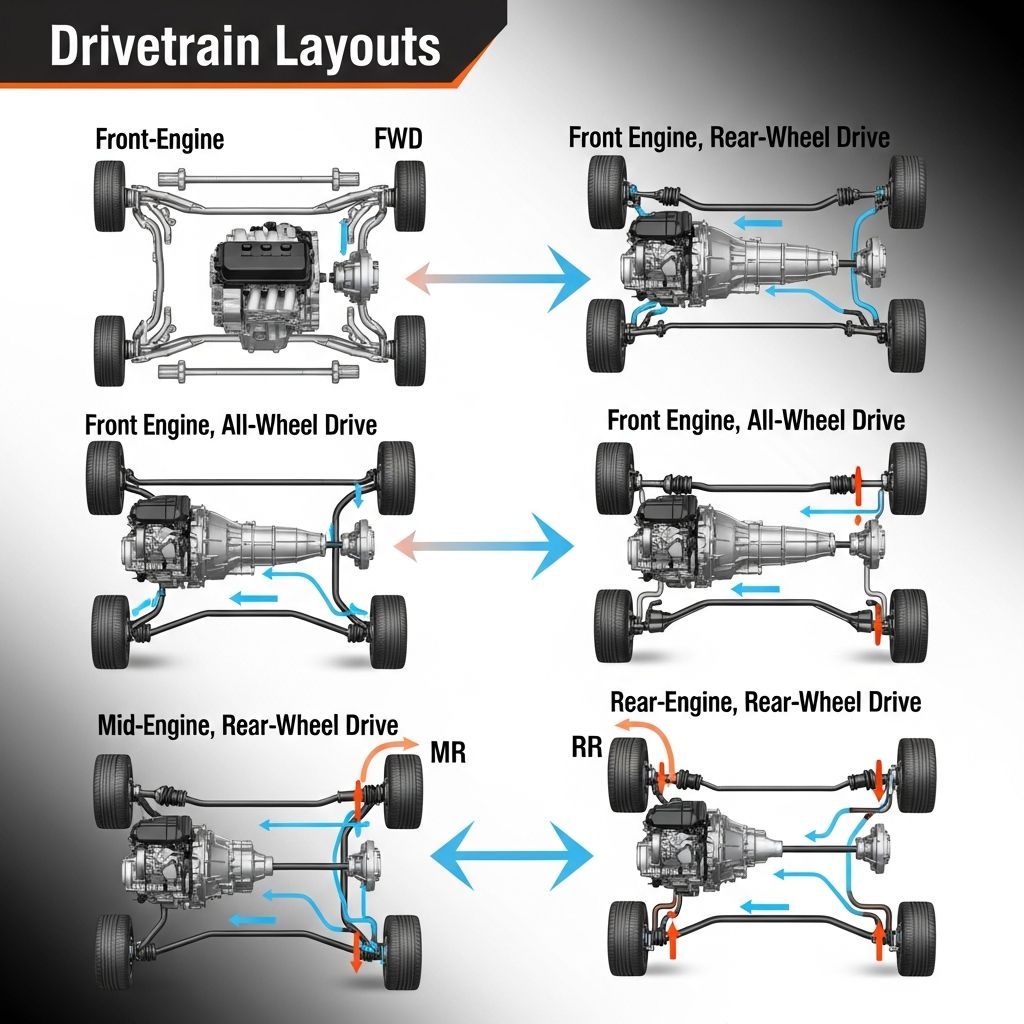
The drivetrain is the critical system that transfers power from your vehicle’s engine to the wheels, determining how effectively and efficiently your car moves. Understanding different drivetrain layouts helps drivers choose the right vehicle, anticipate handling characteristics, and plan maintenance accordingly. This guide delves into the primary configurations: front-wheel drive (FWD), rear-wheel drive (RWD), all-wheel drive (AWD), and four-wheel drive (4WD), covering their mechanics, advantages, drawbacks, and upkeep requirements.
Core Components of Every Drivetrain
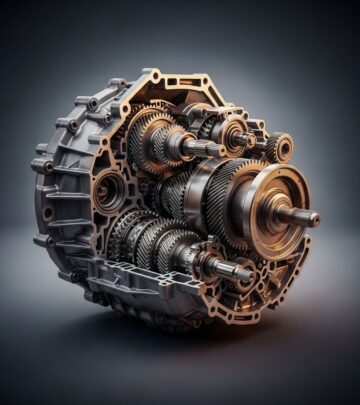
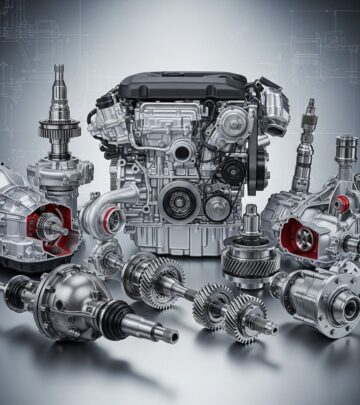
Regardless of layout, all drivetrains share fundamental parts that ensure power delivery. The engine generates force, which the transmission modulates before sending it through additional elements like driveshafts, differentials, and axles. The differential, often located at the center of the drive axle, allows wheels to rotate at varying speeds during turns while distributing torque evenly. Axle shafts then carry this power to the wheels. In more complex systems like AWD or 4WD, transfer cases or center differentials manage power split between axles.
- Transmission: Converts engine power to usable wheel motion.
- Driveshaft: Transmits torque from transmission to differential in RWD and some AWD setups.
- Differential: Balances wheel speeds and torque.
- Axles: Connect differential to wheels.
Front-Wheel Drive (FWD) Systems
Front-wheel drive places the engine and driven wheels at the vehicle’s front, a layout dominant in modern passenger cars due to its simplicity and cost-effectiveness. Power flows directly from the transversely mounted engine through a transaxle—a combined transmission and differential—to the front wheels. This ‘pulling’ motion enhances traction on slippery surfaces as the weight over the drive wheels increases grip.
Advantages of FWD
- Superior fuel economy from lighter weight and fewer components.
- Better interior space utilization without a long driveshaft.
- Strong performance in snow or rain due to engine weight over drive wheels.
Disadvantages of FWD
- Tendency for torque steer, where strong acceleration pulls the steering wheel.
- Front-heavy weight distribution can lead to understeer in sharp corners.
- Potential CV joint wear from constant steering and power demands.
Popular in sedans like the Toyota Camry and Honda Accord, FWD suits daily commuting and urban driving.
Rear-Wheel Drive (RWD) Configurations
Rear-wheel drive sends power to the back wheels, with the engine typically upfront and a driveshaft running the length of the vehicle to the rear differential. This front-engine, rear-wheel-drive (FR) setup was standard for decades and remains favored in performance vehicles. The ‘pushing’ dynamic allows precise steering as front wheels focus solely on direction.
Key Variations in RWD
| Layout | Description | Common Uses |
|---|---|---|
| Front-Engine RWD (FR) | Engine front, power to rear via driveshaft. | Sedans, trucks like BMW 3 Series. |
| Mid-Engine RWD (MR) | Engine behind passengers, before rear axle for balanced weight. | Sports cars for agility. |
| Rear-Engine RWD (RR) | Engine at rear, as in Porsche 911. | High-performance icons. |
Pros and Cons of RWD
RWD excels in dry conditions with balanced handling and throttle response, ideal for racing or towing. However, it struggles in wet or icy weather due to lighter rear weight reducing traction.
All-Wheel Drive (AWD) Explained
AWD automatically distributes power to all four wheels, often prioritizing the front for efficiency before engaging the rear as needed via electronics and multi-plate clutches. Unlike part-time systems, AWD operates seamlessly without driver input, using center differentials or viscous couplings. Full-time AWD keeps power to all wheels continuously.
How AWD Works
- Power starts at front wheels.
- Sensors detect slip.
- Electronics transfer torque to rear via clutch packs.
- Front/rear differentials manage wheel speeds.
AWD Benefits and Limitations
- Excellent all-weather traction for rain, snow, gravel.
- Improved stability at high speeds.
- Higher fuel consumption and complexity increase costs.
- Not ideal for extreme off-roading.
Found in vehicles like Subaru Legacy and Acura RL.
Four-Wheel Drive (4WD) Mechanics
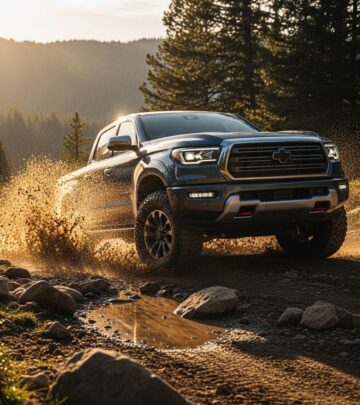
4WD engages all wheels manually or via modes like 2H (rear-only), 4H (high-range all wheels), and 4L (low-range for torque). It features a transfer case splitting power and often locking differentials for off-road prowess. Designed for rugged terrain, it’s robust but fuel-thirsty on pavement.
4WD vs. AWD Comparison
| Feature | AWD | 4WD |
|---|---|---|
| Engagement | Automatic | Driver-selected |
| Best For | On-road, light off-road | Heavy off-road, towing |
| Fuel Efficiency | Better | Worse |
| Cost | Moderate | Higher |
Examples include Ford F-150 and Range Rover.
Choosing the Right Drivetrain for Your Needs
Select based on lifestyle: FWD for city efficiency, RWD for sporty drives, AWD for versatile weather handling, 4WD for adventures. Consider fuel costs, as multi-wheel systems guzzle more.
Maintenance Essentials for Drivetrain Longevity
Regular care prevents failures. Check fluids in differentials and transfer cases every 30,000 miles; replace CV boots on FWD; inspect driveshafts in RWD/AWD. Listen for unusual noises indicating worn bearings.
- FWD: Monitor CV joints for tears.
- RWD: U-joints and driveshaft balance.
- AWD/4WD: Center differential oil, transfer case.
Frequently Asked Questions (FAQs)
What is the difference between AWD and 4WD?
AWD is automatic and on-road focused; 4WD is selectable for off-road with low-range gearing.
Is FWD better than RWD for beginners?
Yes, FWD offers predictable handling and better wet traction.
Does AWD improve fuel economy?
No, it typically reduces it due to added weight and drag.
How often should I service my drivetrain?
Every 30,000-60,000 miles, per manufacturer specs.
Can I switch drivetrains on my vehicle?
Conversion is possible but expensive and complex; not recommended.
Advanced Drivetrain Innovations
Electric vehicles introduce dual-motor AWD with independent front/rear electric motors, eliminating driveshafts for instant torque vectoring. Hybrids blend layouts for efficiency. Future trends include software-controlled torque distribution for ultimate control.
References
- What Is the Drivetrain and What Does It Do? — Tires Plus. 2023. https://www.tiresplus.com/blog/maintenance/what-is-drivetrain/
- Powertrain layout — Wikipedia. 2024-02-01. https://en.wikipedia.org/wiki/Powertrain_layout
- A Drivetrain Guide – FWD vs 4WD vs AWD vs RWD — DRiVParts. 2023. https://www.drivparts.com/parts-matter/learning-center/driver-education-and-vehicle-safety/drivetrain-guide.html
- The 4 Types of Drivetrains and Why They Matter — CBAC Waxahachie. 2016-09-01. https://www.cbac.com/waxahachie/media-center/blog/2016/september/the-4-types-of-drivetrains-and-why-they-matter/
- Ultimate Drivetrain Guide: FWD vs RWD vs AWD vs 4×4 — Motoring Masters (YouTube). 2025-02-06. https://www.youtube.com/watch?v=-cTJqNWwmf0
Similar Articles








Read full bio of Sneha Tete