Direct Deposit: The Easy Way to Manage Your Money
Learn how direct deposit works, how to set it up, and how to use it to simplify banking, avoid fees, and boost your savings automatically.

Direct deposit has become the standard way to get paid, receive government benefits, or collect recurring payments. Instead of waiting in line to cash a check, funds move electronically into your bank account, giving you faster access to money, better security, and powerful tools for budgeting and saving.
This guide explains what direct deposit is, how it works, how to set it up, and how to use it strategically to avoid fees and grow your savings with less effort.
What Is Direct Deposit?
Direct deposit is an electronic payment method that sends money straight into your bank or credit union account, typically through the Automated Clearing House (ACH) network.1 Instead of receiving a paper check, the payer (such as an employer, government agency, or financial institution) initiates an electronic transfer to your account.
Common uses of direct deposit include:
- Paychecks from employers
- Government benefits (Social Security, VA benefits, unemployment, etc.)
- Tax refunds and other government payments2
- Pension and retirement plan distributions
- Insurance claim payouts and other recurring payments
Once set up, direct deposit runs automatically, so you no longer need to handle paper checks or visit a branch just to access your funds.1
How Direct Deposit Works
Direct deposit uses a secure electronic payment network to move money between financial institutions. In the United States, most direct deposits are processed through the ACH system, a nationwide network that handles electronic credits and debits between banks.1
Here is how a typical direct deposit works behind the scenes:
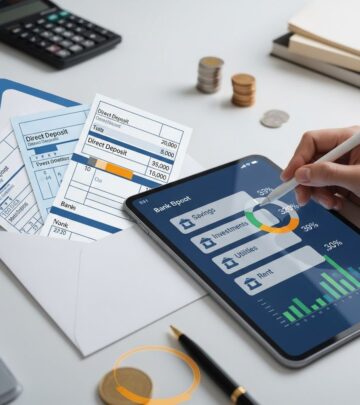
- Authorization – You provide written or electronic permission for a payer to deposit funds into your account, usually via a direct deposit or ACH authorization form.3
- Setup – The payer’s payroll or payment system records your account information (routing number, account number, and account type).3
- Transmission – On payday or the scheduled payment date, the payer sends an electronic file with payment instructions to its bank.
- ACH Processing – The payer’s bank forwards the file to the ACH network, which routes the transaction to your bank based on the routing number and account number.
- Deposit – Your bank receives the ACH credit and applies funds to your account, usually within 1–3 business days.1
Because the process is automated and electronic, it is generally faster, more secure, and less expensive for both payer and payee than issuing paper checks.
How to Set Up Direct Deposit
Setting up direct deposit usually takes only a few steps. Each employer or payer may have its own form and process, but the information required is similar.
Information You Need
To enroll in direct deposit, you will typically need:
- Your full name and address as they appear on your bank account
- Your bank’s routing transit number (9 digits)
- Your account number (checking or savings)
- The type of account (checking or savings)
- Employer, government agency, or payer details, depending on the form
This information is entered on a direct deposit authorization form. In some cases, you may also be asked for a voided check or deposit slip to help verify your account information.3
Steps to Enroll
Here is a simple step-by-step process you can follow with most employers or payers:
- Get a direct deposit form
Request it from your employer’s HR or payroll department, from your bank, or download the appropriate government form if you are enrolling for benefits or tax refunds.2 - Fill in your personal and bank details
Provide your name, address, Social Security number (if required), bank routing number, account number, and account type.3 - Choose how much to deposit
You can usually choose to deposit your entire payment or split it between multiple accounts (for example, some to checking and some to savings).2 - Submit the form
Return the completed form to your employer, government agency, or payer following their instructions (in person, by mail, or securely online).3 - Confirm the first deposit
It may take one or two pay cycles for direct deposit to become active. Monitor your account to confirm that deposits arrive as expected.1
Typical Setup Time
After submitting your form, direct deposit usually takes one to two pay periods to go into effect. During that time, you may still receive paper checks until your information is fully processed and verified.1
Benefits of Direct Deposit
Direct deposit offers several advantages over paper checks for both consumers and organizations.
Convenience and Speed
- No need to visit a bank or ATM just to deposit a paycheck
- Funds typically available within 1–3 business days after the transaction is sent, and sometimes earlier if your bank offers early access to direct deposits1
- Payments arrive even when you are traveling or unable to visit a branch
Security
- No risk of lost, stolen, or forged paper checks
- Electronic processing reduces the chance of errors in manual handling
- Reducing paper document handling can lower exposure of sensitive personal information3
Budgeting and Savings Advantages
Direct deposit can also help you manage money more effectively:
- Automatic saving – You can direct part of each paycheck to savings or a money market account without having to remember to transfer it.
- Pay yourself first – Having funds routed to savings before money reaches checking reinforces the habit of saving before spending.
- Reduced temptation to overspend – Keeping only your planned monthly spending in checking and the rest in savings can help control impulse purchases.
Potential Banking Perks
Many banks and credit unions reward customers who receive recurring direct deposits by:
- Waiving monthly maintenance fees on checking accounts
- Offering higher interest rates on checking or linked savings accounts if direct deposit requirements are met
- Providing faster availability of funds, such as early direct deposit access
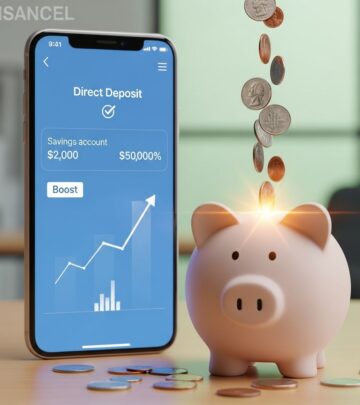
Using Direct Deposit Strategically to Boost Savings
Beyond simple convenience, you can use direct deposit as a powerful tool to improve your financial habits and grow your savings more quickly.
Deposit Paychecks Directly to Savings First
One effective strategy is to have your paycheck or income deposit directly into a savings or money market account instead of checking. From there, you can set up a single monthly transfer into your checking account in the amount of your budget for regular expenses.
This approach helps you:
- Put savings first, rather than hoping there is money left after spending
- Build balances in accounts that may pay higher interest
- Slow down spending, because unplanned purchases require a deliberate transfer from savings to checking
Meet Balance Thresholds for Higher Interest Rates
Some savings and money market accounts offer tiered interest rates, with higher yields for larger balances. By directing your paycheck into one of these accounts, you may:
- Reach minimum balance thresholds for higher interest tiers more quickly
- Earn more interest overall than if funds sat in a low-yield checking account
- Keep a larger share of your money in interest-bearing accounts at any given time
Split Direct Deposit Between Checking and Savings
If your payroll provider allows it, you can split your direct deposit so that:
- A set dollar amount or percentage goes directly into savings, and
- The remaining portion goes to your checking account for day-to-day expenses
This method automates the process of saving and can help you reach goals such as building an emergency fund, saving for a down payment, or funding vacations or large purchases.
Using Direct Deposit to Avoid Bank Fees
Strategic use of direct deposit can also reduce or eliminate common bank fees. Many financial institutions tie fee waivers or account benefits to recurring direct deposits.
Monthly Maintenance Fees
Some banks charge a monthly maintenance fee on checking accounts, but often will waive the fee if you receive a qualifying recurring direct deposit into that account. Requirements may include:
- A minimum deposit amount each month
- A direct deposit from an employer, pension, or government payment
- Deposits that occur at least once per statement cycle
Review your account terms to understand whether direct deposit can help you avoid these charges.
Overdraft Fees
While direct deposit itself does not eliminate overdraft fees, using it with good budgeting practices can reduce the risk of overdrawing your account. Consider:
- Scheduling bill payments and transfers after you expect your direct deposit to arrive
- Monitoring your account closely when you change employers or payment schedules
- Opting out of overdraft coverage on debit card and ATM transactions if you prefer to avoid overdraft charges entirely
ATM Fees and Account Structure
Direct deposit may also influence which accounts you choose to use:
- You might keep a primary checking account at a bank with a robust ATM network to minimize out-of-network fees.
- At the same time, you can direct a portion of your pay to an online savings or money market account that offers competitive interest rates.
Finding the Right Accounts for Direct Deposit
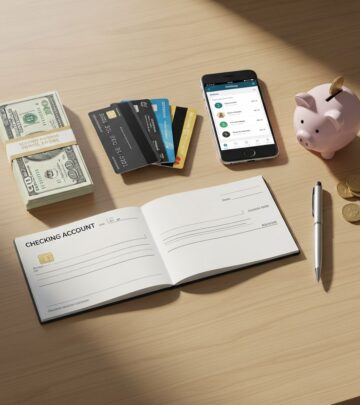
It is common to maintain more than one account when using direct deposit—typically a checking account for everyday transactions and a savings or money market account for growth and financial goals.
| Account Type | Primary Purpose | Key Considerations |
|---|---|---|
| Checking Account | Everyday spending, bills, and debit card use | Look for low or no monthly fees, good ATM access, and direct deposit perks. |
| Savings Account | Short- and medium-term goals and emergency funds | Compare interest rates, minimum balances, and ease of transferring money to checking. |
| Money Market Account | Higher-yield saving with limited check-writing | Consider balance requirements, interest tiers, and transaction limits. |
Key Features to Compare
When choosing where to send your direct deposits, compare:
- Monthly fees and how to waive them (such as via direct deposit)
- Interest rates on savings and money market accounts
- ATM access and out-of-network fees
- Digital banking tools like mobile check deposit, alerts, and account dashboards
- Transfer options between checking and savings
Monitoring Your Direct Deposits
To use direct deposit effectively and avoid surprises, it is important to monitor when deposits arrive and verify that the amounts are correct.
Know When Your Deposits Become Available
Even though direct deposit is faster than paper checks, funds may not always be available immediately. Standard timing considerations include:
- Employers may submit payroll files to their banks 1–2 days before payday.
- Banks usually make direct deposits available on the scheduled day, but some provide early access after they receive the ACH credit.1
- Weekends and holidays can affect when funds appear in your account.
Check with your bank or credit union for its policies on availability of ACH credits.
Use Online and Mobile Tools
Modern online and mobile banking platforms make it easy to track direct deposits. Consider using:
- Mobile app alerts when a deposit posts
- Online statements to view your deposit history
- Budgeting tools that categorize income and spending automatically
These tools can help you ensure that deposits are arriving as expected and that transfers to savings or bill payments are scheduled appropriately.
Frequently Asked Questions (FAQs)
Q: How long does direct deposit take to show up in my account?
Once fully set up, most direct deposits arrive within 1–3 business days after the payer sends the transaction, and often on the same day as your scheduled payday. Some banks release funds earlier when they receive the ACH file, offering early direct deposit access.1
Q: Can I have my direct deposit split between multiple accounts?
Yes. Many employers and government agencies allow you to split your direct deposit between several accounts. For example, you might send a portion to checking for expenses and the rest to savings or a money market account for long-term goals.2
Q: Is direct deposit safe?
Direct deposit is considered very secure because funds move electronically between financial institutions rather than passing through your hands as paper checks. The greatest security risk usually occurs during setup, so always provide your account information through secure channels.3
Q: Do I need a checking account to use direct deposit?
No. Many banks and credit unions allow direct deposits into both checking and savings accounts. In some cases, you may even choose to have your paycheck deposited into a savings or money market account first, then transfer a set amount to checking for everyday spending.
Q: What happens if I change banks?
If you switch financial institutions, you will need to complete a new direct deposit authorization form with your employer or any payer using your old account. It is wise to keep your old account open until the first deposit safely arrives at your new bank and all automatic payments are updated.
References
- ACH 101: An Introduction to the ACH Network — Nacha. 2023-05-01. https://www.nacha.org
- Get Your Refund Faster: Tell IRS to Direct Deposit Your Refund — Internal Revenue Service. 2024-01-10. https://www.irs.gov/refunds/get-your-refund-faster-tell-irs-to-direct-deposit-your-refund-to-one-two-or-three-accounts
- Direct Deposit Sign-Up Form (SF 1199A) — U.S. Department of the Treasury, Bureau of the Fiscal Service. 2021-04-15. https://www.fiscal.treasury.gov/files/forms/form-1199a.pdf
- What Is Direct Deposit? — Bankrate. 2023-08-09. https://www.bankrate.com/banking/what-is-direct-deposit/
- Direct Deposit FAQ — California State Controller’s Office. 2022-06-30. https://sco.ca.gov/ppsd_se_direct_deposit_faq.html
Similar Articles








Read full bio of medha deb