Car Fuel Types: Complete Guide To Choosing The Right Fuel
Discover the best gasoline options for your vehicle, from regular to premium and ethanol blends, to optimize performance and avoid costly damage.
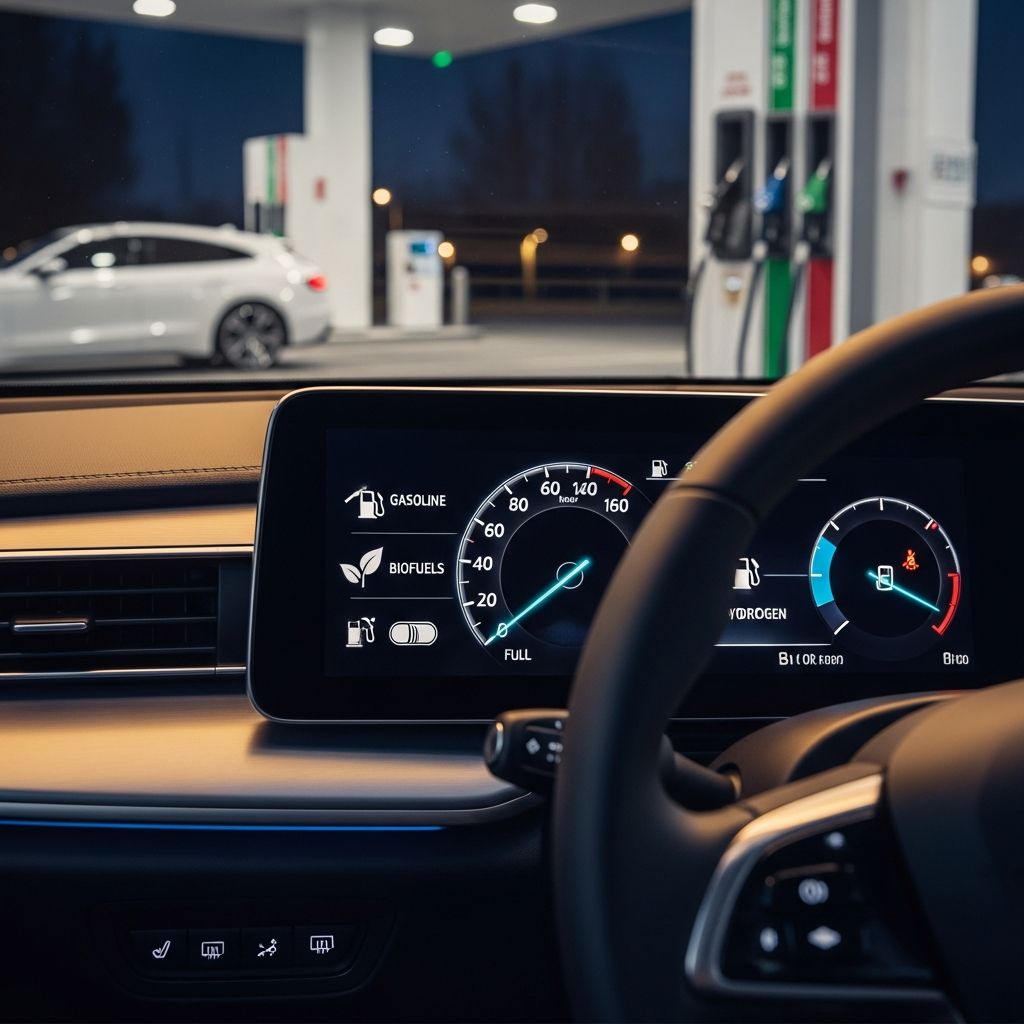
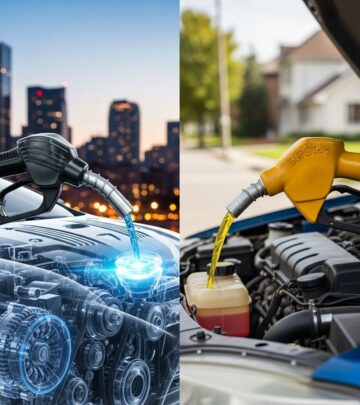
Selecting the appropriate fuel for your vehicle is essential for maintaining engine health, ensuring optimal performance, and preventing expensive repairs. Gasoline comes in various grades distinguished primarily by octane ratings, which measure a fuel’s ability to resist premature ignition or “knocking” in the engine. Beyond standard grades, alternative blends like those with ethanol offer options for specific vehicles. This guide breaks down the main fuel categories available at pumps, their characteristics, and how to determine what suits your car best.
Understanding Octane Ratings and Why They Matter
Octane rating is a key metric for gasoline, indicating its resistance to knocking during combustion. Engines with higher compression ratios or turbochargers require fuels with higher octane to avoid damage from uncontrolled explosions. Research from automotive experts confirms that using fuel below the recommended octane can lead to long-term issues like piston damage or reduced efficiency. Conversely, higher-octane fuel in engines that don’t need it offers minimal benefits in power or mileage.
- Regular unleaded: Typically 87 octane, ideal for most everyday passenger cars and suitable for standard driving conditions.
- Mid-grade: Around 89-90 octane, a compromise for vehicles that benefit from slightly better knock resistance without premium costs.
- Premium: 91-94 octane, designed for high-performance or luxury engines demanding superior anti-knock properties.
In high-altitude areas like parts of Colorado, regular fuel might be rated at 85 octane due to thinner air aiding combustion, but this adjustment doesn’t apply universally. Always consult your owner’s manual for the minimum required rating.
Standard Gasoline Grades Explained
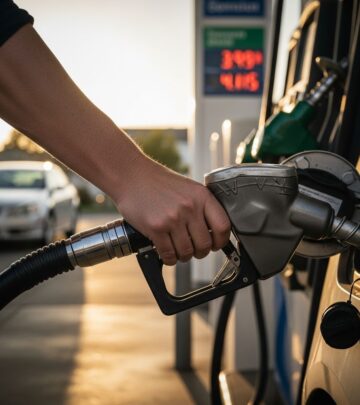
At most gas stations, you’ll encounter three primary gasoline grades: regular, mid-grade, and premium. These differ mainly in octane levels and additives that enhance cleaning or performance.
| Grade | Typical Octane | Best For | Potential Drawbacks |
|---|---|---|---|
| Regular | 87 | Most compact and mid-size cars, SUVs | May cause knocking in high-compression engines |
| Mid-grade | 89-90 | Some trucks, moderate-performance vehicles | Higher cost than regular with limited gains for many |
| Premium | 91-94 | Sports cars, turbocharged engines | More expensive; no benefit in standard engines |
Regular gasoline powers the majority of vehicles on the road, making it the most economical choice for daily commutes. Premium, while pricier, is essential for engines specified by manufacturers like certain BMW or Porsche models to maintain warranty coverage. Mid-grade serves as a buffer option, often a blend of regular and premium, recommended for vehicles like some Ram trucks.
Ethanol Blends: E15, E85, and Flex Fuel Options
Ethanol-blended fuels incorporate renewable alcohol derived from corn or other plants, reducing reliance on petroleum. Common blends include E10 (up to 10% ethanol, standard in most regular gas), E15 (10.5-15% ethanol), and E85 (51-83% ethanol).
E15 is approved for most gasoline vehicles from model year 2001 onward, offering a cost-saving alternative with minimal impact on fuel economy. E85, however, is reserved for flex-fuel vehicles (FFVs), which feature specialized sensors to adjust engine parameters for varying ethanol content. These vehicles often display yellow gas caps or badges for easy identification.
- E15 provides slightly higher octane than regular E10 and is cheaper in many regions.
- E85 boasts very high octane (near 100+), potentially boosting power in tuned FFVs, but its lower energy density means reduced miles per gallon—up to 25-30% less.
Using E85 in non-FFV engines can corrode components not designed for high ethanol exposure, potentially voiding warranties. Flex-fuel vehicles handle everything from regular gas to E85 seamlessly, though cold weather may require switching to gasoline blends for reliable starts.
Compatibility Checklist for Your Vehicle
To avoid mishaps, verify fuel compatibility before filling up:
- Check the owner’s manual: It specifies the minimum octane and approved blends.
- Inspect the fuel door or cap: Look for labels like “E85” or yellow coloring indicating flex-fuel capability.
- Review pump labels: Ensure ethanol content matches your vehicle’s approvals, especially for E15 or higher.
- Consider engine type: Turbocharged or high-compression engines often mandate premium.
For older cars (pre-2001), stick to E10 or lower to prevent material degradation from ethanol. Modern engines (2001+) generally tolerate E15 safely.
Performance and Cost Considerations
While premium fuel promises smoother operation in qualifying engines, studies show no mileage or power gains in vehicles designed for regular gas. Fuel economy with ethanol blends like E85 drops due to ethanol’s lower energy content, but lower pump prices can offset this for FFV owners. Track your vehicle’s mileage after switching fuels to assess real-world impacts.
Diesel, a separate category, powers trucks and heavy-duty vehicles with better torque and efficiency but is incompatible with gasoline engines. Compressed natural gas (CNG) or liquefied versions exist for fleet use but are rare for personal cars.
Common Myths About Car Fuels Debunked
- Myth: Higher octane always means better performance. Fact: Only if your engine requires it; otherwise, it’s wasted money.
- Myth: All cars can run on E85. Fact: Only FFVs; others risk severe damage.
- Myth: Premium cleans engines better. Fact: Detergent additives are standardized by EPA across grades.
Frequently Asked Questions (FAQs)
What gas should I use if my manual recommends premium?
Use premium (91+ octane) to prevent knocking and maintain performance; regular may cause issues over time.
Can I mix fuel grades?
Yes, mixing is safe as it averages the octane; avoid if possible to maintain consistency.
Is E15 safe for my motorcycle or small engine?
Often not; check manufacturer specs, as many phase-separation issues occur in non-automotive equipment.
How do I know if my car is flex-fuel?
Look for a yellow cap, fuel door label, or FFV badge; confirm via VIN decoder or manual.
Does using the wrong fuel void my warranty?
Potentially yes, if damage results from improper fuel choice.
Tips for Fuel Efficiency and Engine Longevity
Beyond type selection, maintain efficiency by:
- Keeping tires inflated to recommended PSI.
- Using quality oil and following service intervals.
- Avoiding aggressive acceleration.
- Monitoring for knocking sounds, which signal incorrect fuel.
Regular records of fill-ups help spot trends in consumption or performance changes.
References
- What Are The 4 Gas Types? (Flex Fuel, E85, E15 Explained) — Elan Fuels. 2023. https://www.elanfuels.com/what-are-the-4-gas-types-different-fuel-gasoline-unleaded-pump/
- Types of Gasoline Explained: Learn the Differences — Kelley Blue Book. 2024. https://www.kbb.com/car-advice/gasoline-guide/
- Understanding Different Fuel Grades for Cars — Venture Fuels. 2023. https://www.venturefuels.com/venture-fuels-content/fuel-grades-explained/
- 5 Different Types Of Gas — Can You Use Them In Your Car? — Capitol Subaru. 2024. https://www.capitolsubaru.com/service/information/difference-between-gas-premium-E85-diesel.htm
- How to Choose the Right Fuel for Your Car — AAA. 2025. https://mwg.aaa.com/via/car/how-choose-right-fuel
- Guide To Different Types Of Gasoline — JD Power. 2024. https://www.jdpower.com/cars/shopping-guides/guide-to-different-types-of-gasoline
- Premium vs. Regular Gas — Progressive. 2024. https://www.progressive.com/answers/premium-vs-regular-gas/
Similar Articles








Read full bio of Sneha Tete