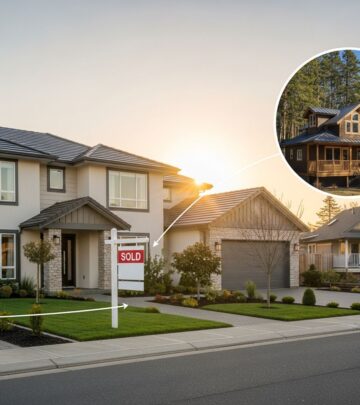
Buying A Second Home: 5 Steps To Make An Informed Purchase
Explore the benefits, risks, and smart strategies for purchasing a second property to enhance your lifestyle and finances.

Purchasing a second home represents a significant step that blends lifestyle enhancement with potential financial growth. Many individuals pursue this option to secure vacation retreats, investment opportunities, or future retirement spots. However, the decision demands careful evaluation of personal finances, market conditions, and long-term commitments. This guide delves into key aspects to help you navigate the process effectively.
Understanding the Appeal of a Second Property
A second home offers more than just extra space; it provides flexibility for leisure, family gatherings, or income generation. Properties in scenic coastal areas, mountain regions, or urban getaways allow owners to escape routine without the uncertainties of rentals. Beyond personal use, these homes can serve as assets that appreciate over time, contributing to wealth building.
Statistics from real estate analyses indicate that well-located second homes often yield strong returns through value increases, especially in high-demand vacation zones. For instance, areas with consistent tourism see properties gain 5-10% annually in some markets, according to reports from financial institutions monitoring housing trends.
Financial Advantages and Income Potential
One primary draw is the opportunity for supplemental revenue via short-term rentals. Platforms enable owners to list properties when not in use, offsetting mortgage payments and utilities. In popular destinations, rental yields can cover 70-100% of ownership costs, transforming the home into a semi-passive investment.
- Rental Revenue: High-season bookings in beach or ski towns can generate thousands monthly, subsidizing expenses.
- Equity Growth: Real estate’s historical appreciation supports long-term net worth expansion.
- Tax Deductions: Mortgage interest, property taxes, and certain rental-related costs may qualify for write-offs, reducing overall tax burden.
Owners must track usage meticulously, as IRS rules limit personal use to avoid reclassifying the property as a residence rather than an investment. Consulting a tax advisor ensures compliance and maximizes benefits.
Strategic Locations for Maximum Value
Choosing the right spot is crucial. Proximity to your primary residence influences visit frequency and management ease—ideally within a 2-4 hour drive. Popular choices include lakeside cabins for weekend escapes or sunbelt condos for winter stays.
| Location Type | Pros | Cons | Average Annual Appreciation |
|---|---|---|---|
| Coastal | High rental demand | Hurricane risks, high insurance | 7-9% |
| Mountain | Year-round activities | Snow removal costs | 6-8% |
| Lakefront | Family-friendly | Seasonal use | 5-7% |
| Urban | Easy access | Noise, parking issues | 4-6% |
Data drawn from market reports highlights coastal properties leading in appreciation due to tourism, though they carry elevated insurance premiums from weather events.
Navigating Financing and Affordability
Securing a loan for a second home differs from primary mortgages. Lenders view these as riskier, often requiring 10-20% down payments and charging 0.5-1% higher interest rates. Debt-to-income ratios must remain below 43%, factoring in both properties’ payments.
Pre-approval strengthens your position. Explore options like home equity lines from your first home or specialized second-home loans. Budgeting should encompass:
- Mortgage principal and interest
- Property taxes (often 1-2% of value)
- Homeowners insurance (higher in risk areas)
- Utilities and minimum service fees
- HOA dues if applicable
Financial advisors recommend maintaining six months’ reserves for both homes to weather repairs or vacancies. High-interest debt or inadequate retirement savings signal it’s premature to buy.
Ongoing Costs and Maintenance Realities
Ownership extends beyond the purchase price. Annual expenses typically total 1-4% of the home’s value, covering upkeep like roof replacements, HVAC servicing, and landscaping. Remote properties amplify challenges, necessitating property managers at 8-12% of rental income.
Unexpected issues, such as storm damage or appliance failures, can strain budgets. Owners report average yearly outlays of $10,000-$20,000 for a $500,000 property, underscoring the need for contingency funds.
Risks and Common Pitfalls to Avoid
Not all second homes deliver as envisioned. Underutilization occurs when life demands limit visits, leaving owners footing bills for idle assets. Market downturns pose appreciation risks, particularly in niche vacation spots that lose appeal.
Regulatory hurdles include local short-term rental bans or HOA restrictions. Tax complexities arise with mixed personal/rental use, potentially triggering audits if records falter. Diversification concerns emerge as tying capital in illiquid real estate diverts from stock portfolios yielding 7-10% historically.
Retirement and Legacy Planning with a Second Home
For retirees-to-be, a second home tests future living arrangements. Purchasing early locks in prices and allows customizations like accessibility ramps. It can house aging parents or grown children, blending support with investment.
Transitioning it to a primary residence upon retirement may qualify for homestead exemptions, lowering taxes. However, selling later incurs capital gains unless offset by exclusions—up to $250,000 for singles, $500,000 for couples on primary homes only.
Steps to Make an Informed Purchase
- Assess Readiness: Review credit score (680+ ideal), savings, and cash flow.
- Research Markets: Analyze appreciation trends, rental rates, and regulations.
- Inspect Thoroughly: Hire specialists for structural, pest, and environmental checks.
- Plan Management: Decide on self-handling or professional services.
- Consult Experts: Engage mortgage brokers, Realtors, and CPAs.
Frequently Asked Questions
Can I rent out my second home year-round?
Yes, but local laws vary; some cap rental days or require permits. Platforms like Airbnb facilitate this, but expect 10-15% platform fees.
What down payment is needed?
Typically 10-25%, higher than primary homes due to lender caution.
Are there special tax breaks?
Mortgage interest and taxes are deductible if itemizing; rentals add depreciation and expense write-offs, per IRS guidelines.
How do I finance if cash-strapped?
Use equity from your first home via HELOC or consider co-ownership with family.
Is now a good time to buy?
Depends on rates and markets; low inventory favors buyers in growing areas.
Final Thoughts on Your Decision
Deciding on a second home hinges on aligning it with your lifestyle and financial goals. While rewards like income and appreciation entice, diligence in planning mitigates downsides. Those with stable finances and clear usage plans often thrive; others may find renting alternatives more flexible.
References
- Should You Buy A Second Home? What To Consider — Bankrate. 2023-10-15. https://www.bankrate.com/mortgages/things-to-know-before-you-buy-a-second-home/
- The Pros and Cons of Buying a Second Home — Central Bank. 2024-05-22. https://www.centralbank.net/learning-center/is-buying-a-second-home-a-good-idea/
- 6 Things You Need to Know Before Buying a Second Home — Travelers Insurance. 2023-08-10. https://www.travelers.com/resources/home/buying-selling/6-things-you-need-to-know-before-buying-a-second-home
- Regrets of Owning a Second Home — Domestique Capital LLC. 2022-11-05. https://domestiquecap.com/regrets-of-owning-a-second-home/
- The Pros and Cons of Buying a Second Home — SK Group. 2024-02-14. https://samkaplunov.com/blog/the-pros-and-cons-of-buying-a-second-home
Similar Articles








Read full bio of medha deb