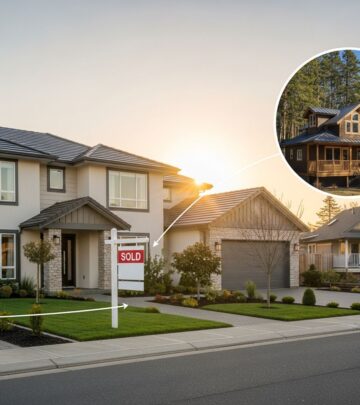
Guide To Purchasing A Second Property: 9 Key Considerations
Essential financial and practical considerations for buying your next home

Adding a second property to your real estate portfolio represents a significant financial decision that extends beyond the simple purchase price. Whether you envision a vacation retreat, an investment property, or a future retirement residence, understanding the full scope of financial implications and practical considerations will help you make an informed decision. This comprehensive guide explores the essential factors you should evaluate before proceeding with a second home purchase.
Evaluating Your Financial Readiness
Before committing to a second property purchase, conduct a thorough assessment of your current financial position. Financial advisors recommend establishing a strong foundation that includes consistent retirement savings and adequate emergency reserves. Specifically, examine whether you’re already contributing at least 15% of your gross income toward retirement accounts and whether you maintain an emergency fund covering six to nine months of living expenses. Additionally, ensure that you’ve eliminated high-interest consumer debt, particularly credit card balances, as these obligations will negatively impact your debt-to-income ratio when applying for a second mortgage.
If you have dependents, evaluate whether you’ve established appropriate college savings vehicles before allocating resources toward a second property. These foundational financial elements demonstrate to lenders that you have a disciplined approach to financial planning and are not stretching your resources too thin by adding another mortgage obligation.
Understanding the True Cost of Property Ownership
The purchase price represents only the initial investment in a second property. The ongoing operational expenses often surprise new second-home owners who fail to budget comprehensively. Property taxes vary significantly by location and can represent a substantial annual expense. Homeowners insurance for a second property may cost more than insurance for a primary residence, and if your property is located near coastal areas or flood-prone regions, flood insurance becomes a mandatory additional expense.
Beyond insurance and taxes, routine maintenance and repairs represent recurring costs that compound over time. Industry estimates suggest budgeting approximately 2% to 4% of the home’s purchase price annually for maintenance and unexpected repairs. Additional expenses include:
- Utility bills for electricity, water, gas, and internet services
- Homeowners association (HOA) fees if the property is part of a planned community
- Landscaping and yard maintenance
- Property management fees if you rent the property to tenants
- Furnishings and interior updates
- Capital improvement projects such as roof replacement or HVAC system upgrades
Request detailed expense information from the property’s current owner and consult with local real estate professionals about typical costs in the specific area. This research prevents financial surprises and allows you to create a realistic long-term budget.
Analyzing Your Debt-to-Income Ratio
Lenders apply rigorous standards when evaluating second-mortgage applications, with particular attention to your debt-to-income (DTI) ratio. This metric divides your total monthly debt obligations by your gross monthly income. Financial experts recommend keeping all debt payments, including the new second-mortgage payment, below approximately 25% of your gross monthly income. Some lenders may apply even stricter thresholds for second properties, typically requiring a DTI ratio below 43%.
To calculate your current DTI ratio, add all monthly debt payments—including your primary mortgage, automobile loans, student loans, credit card minimums, and personal loans—and divide by your gross monthly income. Then, estimate the monthly payment for your anticipated second mortgage using online calculators and add this to your existing obligations. If the resulting ratio exceeds 43%, you may face challenges obtaining lender approval or may qualify only at higher interest rates.
If you plan to rent your second property to generate income, some lenders may factor in anticipated rental revenue when calculating your DTI ratio, though this typically requires documented experience as a landlord. Others may not include projected rental income unless you’ve maintained rental properties for an extended period.
Securing Appropriate Financing
Financing a second property differs in several important ways from obtaining your primary mortgage. Lenders classify second homes as higher-risk investments than primary residences because borrowers prioritize paying their main residence mortgage during financial hardship. This perception results in higher interest rates for second-property mortgages, typically ranging from 0.25% to 0.5% above primary-residence rates.
Second-property mortgage applications also require larger down payments. While primary-residence purchases may allow down payments as low as 3% to 5%, second-home lenders typically demand 20% to 25% down. This substantial initial investment requirement necessitates careful planning to avoid depleting liquid assets and emergency reserves.
Traditional Second-Home Mortgage: A conventional loan specifically designated for second-residential use offers straightforward terms but carries the higher rates and down-payment requirements mentioned above.
Home Equity Loan: If you’ve built substantial equity in your primary residence, a home equity loan allows you to borrow against that equity at potentially favorable rates. This approach provides a lump-sum payment that you can use toward your second-property purchase.
Home Equity Line of Credit (HELOC): A HELOC functions similarly to a home equity loan but offers revolving credit that you can access as needed, providing greater flexibility for phased purchases or renovation projects.
Cash-Out Refinance: You can refinance your primary-residence mortgage for an amount exceeding your current loan balance and receive the difference in cash. Lenders typically require you to maintain a certain amount of equity in the refinanced property, but the cash proceeds can fund your second-property purchase.
Important Note on Government-Backed Loans: Federal Housing Administration (FHA) loans and Veterans Administration (VA) loans cannot be used for second properties, as these programs are restricted to primary-residence purchases.
Reserve Requirements and Lender Expectations
Beyond down payment and DTI ratio considerations, lenders examine your liquid reserves—cash and readily accessible investments not tied up in real estate or retirement accounts. Many lenders require second-home borrowers to maintain reserves equal to several months of mortgage payments in accessible accounts. This requirement demonstrates your capacity to manage the property during periods of vacancy (if renting) or personal financial stress.
Additionally, your credit score receives careful scrutiny. Lenders expect higher credit scores for second-property applicants, typically requiring scores of 700 or above, though some lenders may accept 680-700 with compensating factors such as substantial reserves or a lower DTI ratio.
Location Selection and Property Characteristics
The property’s location dramatically influences financing availability, insurance costs, and long-term appreciation potential. Properties in established vacation destinations with strong market demand typically receive favorable financing terms and lower insurance premiums. Conversely, properties in remote areas or those with regulatory restrictions on second-home ownership may face financing limitations.
Climate and natural disaster risk significantly impact insurance costs and property viability. Coastal properties face elevated flood insurance expenses and may carry increased risk from hurricanes and salt-water intrusion. Similarly, properties in wildfire-prone regions require specialized insurance and may face coverage limitations. Research historical weather patterns, flood maps, and disaster risk reports before committing to a property, and obtain insurance quotes before purchase to understand true carrying costs.
Proximity to your primary residence also influences your decision. Properties within reasonable driving distance allow you to manage maintenance and address issues personally, reducing management costs. Conversely, distant properties require either periodic travel or hiring property management services, which typically cost 8% to 12% of monthly rental income if you plan to rent the property.
Tax Planning and Professional Guidance
Tax implications of second-property ownership vary substantially based on property use, location, and rental activity. Properties used exclusively for personal vacation use receive different tax treatment than investment properties generating rental income. For personal-use properties, you may deduct mortgage interest on loans up to $750,000 (or $375,000 if married filing separately), and property taxes may qualify as itemized deductions.
Investment properties generate more complex tax consequences, including potential depreciation benefits, deductible rental expenses, and capital gains taxation upon sale. Rental properties may also be subject to different local tax rates and regulations than primary residences. Additionally, certain jurisdictions impose transfer taxes, recording fees, and special assessments for second-home purchases that differ from primary-residence purchases.
Before proceeding with any second-property purchase, consult with a tax professional who can analyze your specific situation and advise on tax-efficient structuring. This professional guidance often reveals strategies that reduce your long-term tax burden and optimize your overall financial position.
Rental Property Considerations
If you intend to rent your second property when not using it personally, research local regulations, zoning restrictions, and landlord requirements before purchasing. Some jurisdictions impose limits on short-term rental activity or require licensing and permits. Additionally, examine whether your HOA bylaws permit rental activity and under what conditions.
Evaluate whether you’ll self-manage the property or hire a property management company. Self-management reduces costs but demands your time and expertise in handling tenant screening, maintenance coordination, rent collection, and lease enforcement. Professional property management companies typically charge 8% to 12% of monthly rental income but handle these responsibilities, providing peace of mind for remote properties.
Frequently Asked Questions
Why do second-home mortgages carry higher interest rates than primary-mortgage rates?
Lenders consider second homes riskier investments because borrowers prioritize paying their primary-residence mortgage during financial hardship. If you experience income disruption, your primary residence mortgage receives priority payment, while your second-property mortgage becomes secondary. This lending risk translates to higher interest rates that compensate lenders for increased default probability.
Can I use my second home as a rental property and still qualify for a second-home mortgage?
Yes, you can purchase a second property with the intention of renting it to tenants. However, clearly communicate your rental intent to your lender from the beginning, as investment properties are classified and underwritten differently than personal-use properties. Some lenders may require different qualification standards or use different interest rate schedules for investment versus personal-use properties.
What down payment percentage should I plan for when purchasing a second property?
Most lenders require down payments between 20% and 25% for second properties, significantly higher than the 3% to 5% often available for primary residences. Larger down payments reduce your loan amount and demonstrate stronger financial commitment, potentially improving your interest rate qualification.
How do I determine if I can truly afford a second property?
Calculate your projected monthly expenses including mortgage payment, property taxes, insurance, utilities, maintenance (budget 2-4% annually), HOA fees, and property management costs if applicable. Compare your total second-home obligations plus existing debts to your gross monthly income using the DTI ratio formula. If your combined debts exceed 25% of gross income or your specific second-home obligations alone exceed 15-20% of income, reconsider the purchase timing.
Should I use a cash-out refinance or a home equity loan for my second property?
Both options leverage your primary-residence equity. Home equity loans provide fixed rates and lump-sum payments, making them suitable for determined purchase amounts. HELOCs offer flexible access and variable rates, benefiting those needing phased funding. Cash-out refinances extend your primary-mortgage term but may offer favorable rates. Consult with a mortgage professional to compare rates and terms for your specific situation.
References
- “7 Things to Consider When Buying a Second Home” — Coastal States Bank. March 2024. https://www.coastalstatesbank.com/newsroom/blog-posts/2024/march/7-things-to-consider-when-buying-a-second-home
- “6 Things You Need to Know Before Buying a Second Home” — Travelers. https://www.travelers.com/resources/home/buying-selling/6-things-you-need-to-know-before-buying-a-second-home
- “Should You Buy A Second Home? What To Consider” — Bankrate. https://www.bankrate.com/mortgages/things-to-know-before-you-buy-a-second-home/
- “Considerations Before Buying a Second Home” — Commerce Bank. https://www.commercebank.com/-/media/cb/pdf/personal/invest/news-and-insights/considerations-before-buying-second-home.pdf
- “Buying, Renting, and Selling a Second Home” — Charles Schwab. https://www.schwab.com/learn/story/buying-renting-and-selling-second-home
- “What to know before buying a second home” — Ameriprise Financial. https://www.ameriprise.com/financial-goals-priorities/personal-finance/buying-a-second-home
- “Thinking About Buying Another Home? Here’s What to Consider” — JPMorgan. https://www.jpmorgan.com/insights/real-estate/housing-market/when-is-the-right-time-to-buy-a-second-home
Similar Articles








Read full bio of Sneha Tete