Guide to Buying Used Cars from Private Owners
Master the process of purchasing a pre-owned vehicle from an individual seller to secure a reliable car at the best possible price without dealership markups.
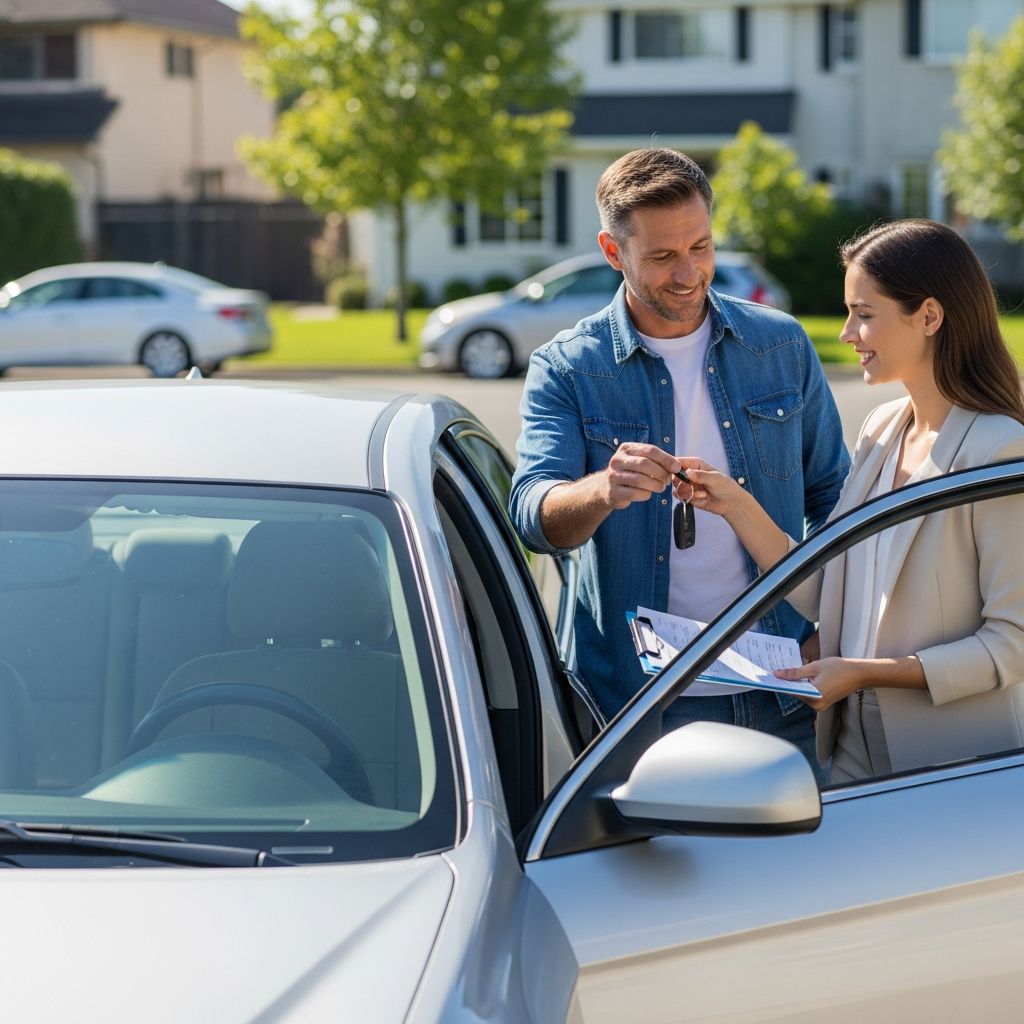
Purchasing a pre-owned vehicle directly from an individual can offer significant savings compared to dealership prices, but it requires careful preparation to mitigate risks like hidden defects or title issues. This guide outlines a step-by-step approach to ensure you drive away with a dependable car.
Establishing Your Budget and Needs
Begin by defining your financial limits and vehicle requirements. Calculate how much you can allocate for the down payment and monthly financing if needed. Factor in ongoing costs such as insurance premiums, maintenance, fuel efficiency, and potential repairs, which are more likely without dealer warranties.
Identify must-have features like safety equipment, fuel type, seating capacity, and cargo space. Prioritize models known for reliability based on consumer reports and ratings from trusted automotive sources.
Finding Potential Vehicles from Individual Sellers
Explore online platforms tailored for private transactions. Sites like Facebook Marketplace, Craigslist, and eBay Motors allow filtering by location, make, model, mileage, and seller type. Set up notifications for new listings matching your criteria.
Aggregators such as AutoTrader and Cars.com list both private and dealer vehicles; use filters for private sellers only. These platforms often facilitate test drives and basic verifications. Word-of-mouth through social networks or community groups can uncover local gems.
- Expand search radius if willing to travel or arrange shipping.
- Avoid suspiciously low prices, which may signal scams or major issues.
Evaluating Vehicle Value and History
Once interested in a listing, verify fair market pricing using tools like Kelley Blue Book or Edmunds. Focus on
private-party value
rather than retail or trade-in figures to gauge a realistic offer.Request the Vehicle Identification Number (VIN) early and obtain a history report from services like Carfax or AutoCheck. These reveal accident history, title status, odometer readings, and service records for under $50.
| Valuation Tool | Key Focus | Best For |
|---|---|---|
| Kelley Blue Book | Private-party pricing | Local market adjustments |
| Edmunds | True market value | Negotiation benchmarks |
| NADA Guides | Lender appraisals | Loan approvals |
Communicating with Sellers Effectively
Contact sellers promptly with targeted questions to assess honesty and gather details. Inquire about accident history, major repairs, maintenance logs, remaining warranties, outstanding loans, title ownership, and sale reasons.
Meet in public, well-lit locations during daylight for safety. Bring a trusted companion familiar with cars. Request proof of insurance before any test drive.
Conducting Thorough Inspections and Test Drives
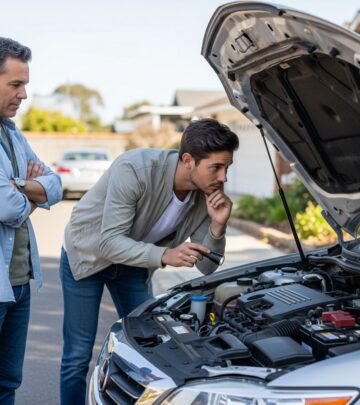
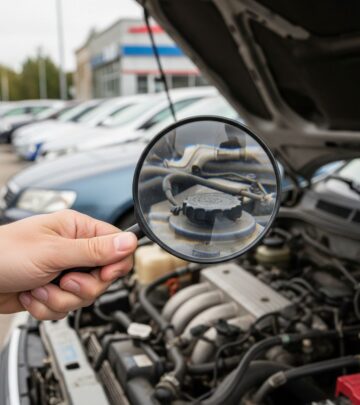
Perform a detailed visual check of exterior paint, body panels, tires, brakes, and interior wear. Look for inconsistencies like mismatched mileage on pedals or tires.
Test drive extensively: accelerate, brake, handle turns, and test all electronics, AC, and audio. Listen for unusual noises and note handling issues. No warranties mean these steps are critical.
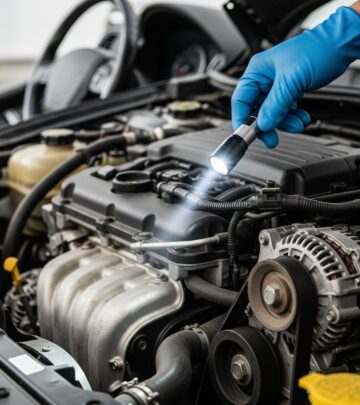
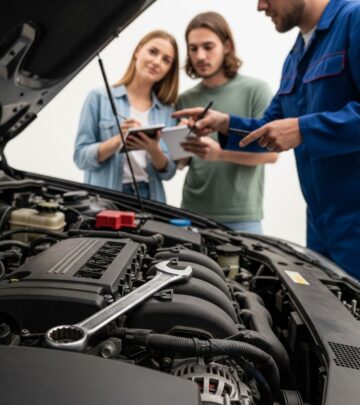
Always schedule a pre-purchase inspection by an independent mechanic. This can uncover hidden problems costing thousands later. Make any price agreement conditional on passing this check.
Securing Financing for Private Purchases
Not all lenders finance private-party sales, and rates may be higher. Seek pre-approval from banks or credit unions offering such loans. Provide vehicle details, VIN, and insurance proof during application.
Compare terms: some require full cash, others allow loans post-inspection. Contact your insurance provider early for coverage quotes and confirm the vehicle qualifies.
Mastering Price Negotiations
Private sellers often list higher than market value, leaving room to haggle. Use valuation data, inspection findings, and history reports as leverage. Point out needed repairs or market comparables calmly.
Aim for a win-win: highlight cash payment speed or quick close. Walk away if the deal doesn’t align with your research—better options exist.
Handling Paperwork and Title Transfer
Private sales demand buyer diligence on documents. Verify the seller holds a clean title in their name without liens. Complete a bill of sale, odometer disclosure, and any state-specific forms.
Expect to pay sales tax, registration fees, and emissions tests at the DMV. Some states mandate joint DMV visits for transfer. Research your state’s DMV site for exact requirements.
- Bill of sale: Details price, VIN, date, buyer/seller info.
- Odometer statement: Certifies mileage accuracy.
- Title application: Transfers ownership promptly.
Common Pitfalls and How to Avoid Them
Steer clear of wire transfers, rushed deals, or sellers dodging inspections—these are red flags. Confirm no hidden liens via title search. Beware dealers posing as private sellers to skirt warranties.
Lemon laws rarely apply to private sales, so inspections are your protection. Budget for immediate services like oil changes post-purchase.
Insurance and Post-Purchase Steps
Secure insurance before driving off; inform your agent of the VIN for accurate quotes. Register promptly to avoid fines. Schedule a full service to baseline the vehicle’s condition.
Frequently Asked Questions
Is buying from a private seller cheaper than a dealer?
Yes, typically 10-20% less due to no overhead or add-ons, but factor in repair risks.
Do I need a mechanic’s inspection?
Absolutely—it’s the best defense against undiscovered issues.
What if the seller has a loan on the car?
They must pay it off first; confirm lien-free title before payment.
Can I finance a private sale?
Yes, but shop lenders specializing in private-party loans; pre-approval strengthens negotiations.
How do I check for odometer fraud?
Compare VIN history report, service records, tire/pedal wear, and seller mileage claims.
Final Thoughts on Smart Private Purchases
With diligent research, verification, and caution, buying from a private owner yields quality vehicles at bargain prices. Follow this blueprint to minimize risks and maximize value.
References
- How To Buy a Used Car From a Private Seller — NerdWallet. 2023-10-15. https://www.nerdwallet.com/auto-loans/learn/tips-for-buying-a-used-car-from-a-private-seller
- How to Buy a Used Car From a Dealer or Private Seller — State Farm. 2024-05-20. https://www.statefarm.com/simple-insights/auto-and-vehicles/how-to-buy-a-used-car
- How to Buy a Car from a Private Seller — Progressive. 2024-02-10. https://www.progressive.com/answers/buying-car-from-private-seller/
- 7 Tips for Buying a Vehicle from a Private Seller — Friendship State Bank. 2023-08-05. https://www.friendshipstatebank.com/7-tips-for-buying-a-vehicle-from-a-private-seller
- How to Buy a Car From a Private Seller — CARFAX. 2024-01-12. https://www.carfax.com/buying/how-to-buy-a-car-from-a-private-seller
Similar Articles








Read full bio of Sneha Tete