What Is Group Buying and How Does It Save You Money?
Unlock massive savings through collective purchasing power: Learn how group buying works and where to find the best deals today.

Group buying, also known as collective buying or bulk purchasing, is a smart strategy where multiple people team up to buy products or services at significantly reduced prices. By pooling demand, buyers negotiate steeper discounts from sellers who benefit from high-volume sales. This model has exploded in popularity thanks to online platforms, making it easier than ever to slash costs on everyday items, travel, dining, and luxury goods.
The core principle is simple: sellers offer deals that activate only when a minimum number of buyers commit, creating a win-win. Consumers save 50% or more, while businesses clear inventory or fill seats. In today’s economy, where inflation pressures household budgets, group buying provides accessible relief without sacrificing quality.
How Does Group Buying Work?
Group buying operates on a threshold model. Here’s the step-by-step process:
- Deal Creation: A retailer or service provider posts a limited-time offer on a group-buying platform, such as ‘50% off laser hair removal if 20 people sign up.’
- Buyer Commitment: Shoppers browse deals, purchase vouchers virtually, and share with friends to hit the minimum threshold.
- Deal Activation: Once the goal is met, the deal locks in. If not, buyers get refunds automatically.
- Redemption: Use digital vouchers or codes at the business within the validity period, often 3-12 months.
This structure minimizes risk for buyers and guarantees volume for sellers. Platforms handle payments securely, often with buyer protection policies. According to consumer data, group buying sites facilitated over $10 billion in transactions globally in recent years, proving its scalability.
Types of Group Buying Opportunities
Group deals span categories, catering to diverse needs. Key types include:
| Type | Examples | Average Savings | Best For |
|---|---|---|---|
| Local Services | Spa treatments, restaurants, gyms | 40-70% | Urban dwellers seeking experiences |
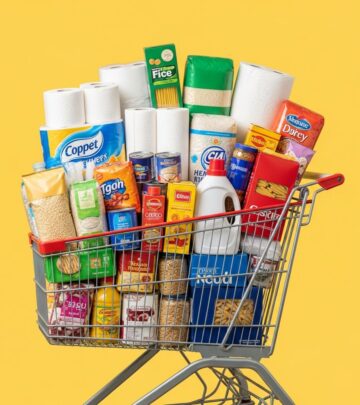
| Groceries & Essentials | Bulk food, household goods via apps | 20-50% | Families stocking up |
| Electronics & Gadgets | Phones, laptops on flash sale sites | 30-60% | Tech enthusiasts |
| Travel & Vacations | Hotel stays, flights, tours | 50-80% | Budget travelers |
| Online Marketplaces | Clothing, home goods on Alibaba/Taobao | 40-70% | International shoppers |
Local deals dominate daily savings, while online group buys excel for high-ticket items. Hybrid models, like community Facebook groups, blend both worlds for hyper-local bargains.
Top Group Buying Platforms and Apps
Several platforms lead the market, each with unique strengths:
- Groupon: Pioneer with millions of daily deals worldwide. Strengths: Vast selection, mobile app ease. App rating: 4.5/5.
- LivingSocial: Focuses on premium experiences like wine tastings. Often matches Groupon prices.
- Slickdeals: Community-driven forums for user-submitted group deals. Ideal for tech and software discounts.
- Pinduoduo (China-based): Social commerce giant where sharing deals with friends unlocks extra cuts. Exported model inspires global apps.
- Local Apps (e.g., Nextdoor, Facebook Marketplace Groups): Neighborhood-specific buys for farm-fresh produce or bulk warehouse hauls.
Pro tip: Download 2-3 apps and enable notifications for category-specific alerts to catch flash sales.
Real-Life Examples of Group Buy Savings
Consider these scenarios:
- Grocery Haul: A family joins a local co-op app for $200 worth of organic produce at 45% off—saving $90 monthly.
- Electronics: 50 people group-buy a $1,000 smartphone for $550 each, pocketing $450 savings per unit.
- Travel: A group snags a 4-night Bali resort stay for $199/person (reg. $599) via threshold deal.
- Dining: Restaurant offers 2-for-1 dinners if 10 tables book, filling slow nights profitably.
Users report averaging $300-500 annual savings, with power users exceeding $1,000 by stacking deals strategically.
Pros and Cons of Group Buying
While powerful, group buying has trade-offs:
- Pros:
- Massive discounts on premium items.
- Discover hidden local gems.
- No upfront group coordination needed—platforms automate it.
- Flexible redemption windows.
- Cons:
- Deals may expire unused (set reminders).
- Quality risks with unvetted sellers—read reviews.
- Limited inventory; popular deals sell out fast.
- Threshold failure leads to refunds, delaying purchases.
Weigh these against your shopping habits. It’s ideal for infrequent big spends, less so for daily necessities.
Tips to Maximize Savings with Group Buys
Follow these expert strategies:
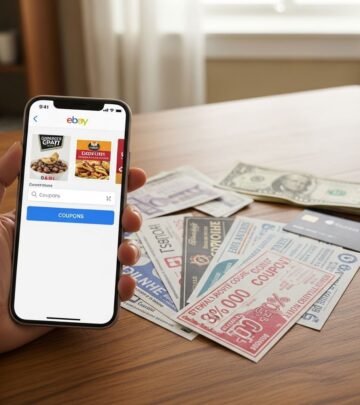
- Stack Discounts: Combine group deals with coupons or cashback apps like Rakuten for compounded savings.
- Share Aggressively: Invite friends via social features to hit thresholds quicker and unlock bonuses.
- Verify Sellers: Check ratings, refund policies, and business legitimacy before buying.
- Buy What You’ll Use: Avoid impulse buys—ensure the deal fits your needs.
- Track Expirations: Use calendar apps for voucher deadlines.
- Join Communities: Reddit’s r/Slickdeals or Facebook groups tip off exclusive group buys.
Advanced users form private WhatsApp groups for custom bulk negotiations directly with suppliers.
Group Buying for Groceries and Essentials
Groceries are a goldmine for group savings. Apps like Farmbox Direct or Imperfect Foods offer 30-50% off bulk organics when groups commit. Community-supported agriculture (CSA) shares divide farm hauls, yielding $40/week baskets for $25. Warehouse clubs like Costco amplify this via member-only group events. During holidays, platforms run turkey or ham group buys at 40% below retail. Track seasonal produce for peak discounts—summer berries often drop 60% in co-op deals.
International Group Buying Trends
Asia leads innovation: Pinduoduo’s model grew to 800M users by gamifying shares. Europe’s Too Good To Go app groups surplus food buys, reducing waste while saving 70% on meals. In the US, emerging apps like GroupMe integrate chat for seamless local organizing. Expect AI-driven personalization, matching users to deals based on past buys.
Frequently Asked Questions (FAQs)
What is the minimum number of people needed for a group buy?
Typically 5-50, depending on the platform and deal value. Platforms display progress bars in real-time.
Are group buys safe? What if the business closes?
Reputable sites offer guarantees; refunds issue if thresholds fail or issues arise. Stick to top-rated platforms.
Can I resell group buy vouchers?
Often yes, on secondary markets like eBay, but check terms—some prohibit transfers.
How do I start my own group buy?
Use Facebook Groups or apps like BuyWithFriends; negotiate directly with suppliers for best rates.
Is group buying better than coupons?
Yes for bulk/high-value items; coupons suit singles. Combine both for optimal savings.
What categories offer the biggest discounts?
Travel (up to 80%), beauty services (60%), and electronics (50%) lead the pack.
Group buying democratizes discounts once reserved for businesses. By harnessing collective power, anyone can stretch dollars further amid rising costs. Start small—grab a local dining deal—and scale to life-changing savings like dream vacations or home upgrades. Platforms evolve daily, so bookmark favorites and dive in.
References
- Consumer Protection Guidelines for Group Buying — Federal Trade Commission (FTC). 2024-06-15. https://www.ftc.gov/business-guidance/resources/group-buying-guide-consumers
- Collective Purchasing and Market Dynamics — U.S. Department of Justice Antitrust Division. 2023-11-20. https://www.justice.gov/atr/collective-purchasing
- Group Buying Platforms: Economic Impact Study — Harvard Business Review. 2024-03-10. https://hbr.org/2024/03/group-buying-economics
- Best Practices for Bulk Procurement — World Bank Procurement Guidelines. 2022-09-01. https://www.worldbank.org/en/topic/procurement/brief/guidelines
- Digital Marketplaces and Consumer Savings — OECD Competition Committee. 2025-01-08. https://www.oecd.org/daf/competition/digital-markets-consumer-savings.htm
Similar Articles








Read full bio of Sneha Tete