Gross Sales: Definition, Calculation, and Business Importance
Understanding gross sales: The foundation of revenue analysis and business performance evaluation.

What Are Gross Sales?
Gross sales represent the total revenue generated by a company from the sale of goods or services before any deductions, returns, allowances, or discounts are applied. This metric captures the complete value of all transactions completed during a specific period, providing a comprehensive picture of a company’s sales activity before accounting for various adjustments.
Gross sales serve as a critical starting point in financial analysis, offering insight into the raw selling power of a business. Whether a company operates in retail, manufacturing, services, or any other industry, gross sales reflect the aggregate value of all customer transactions without accounting for operational expenses or product returns. Understanding this metric is fundamental to assessing business performance and making informed financial decisions.
Key Characteristics of Gross Sales
- Includes All Revenue: Gross sales encompass 100% of the revenue from sales transactions, regardless of whether payment has been received or outstanding.
- Pre-Deduction Metric: This figure does not account for returns, discounts, allowances, or any other reductions to the sale price.
- Single Period Measurement: Gross sales are typically measured over a specific timeframe, such as monthly, quarterly, or annually.
- Industry-Wide Applicability: The concept applies to virtually all businesses that generate revenue through the sale of products or services.
- Foundation for Analysis: This metric serves as the baseline for calculating other important financial indicators and ratios.
How to Calculate Gross Sales
Calculating gross sales is straightforward and involves a simple formula. The basic calculation method is as follows:
Gross Sales = Total Units Sold × Average Price Per Unit
Alternatively, gross sales can be determined by summing all individual transactions completed during the measurement period without any adjustments. For example, if a retailer sells 1,000 units of a product at $50 per unit, the gross sales would be $50,000, regardless of product returns or promotional discounts offered.
Organizations with multiple product lines or service offerings calculate gross sales by aggregating the revenue from all sources. This comprehensive approach ensures that every dollar generated through sales activities is captured in the total figure.
Calculation Example
Consider a clothing retailer during the fourth quarter:
- Units sold in October: 5,000 units at average $30 = $150,000
- Units sold in November: 7,500 units at average $30 = $225,000
- Units sold in December: 12,000 units at average $32 = $384,000
- Quarterly Gross Sales = $759,000
Gross Sales vs. Net Sales
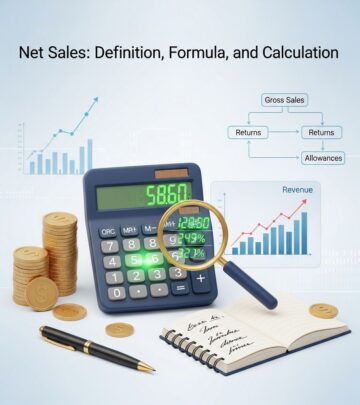
While gross sales represent the total revenue before any deductions, net sales (also called net revenue) are calculated after subtracting specific reductions. Understanding the distinction between these metrics is essential for accurate financial analysis.
| Metric | Definition | Includes |
|---|---|---|
| Gross Sales | Total revenue before any deductions | All sales transactions at original price |
| Net Sales | Revenue after deductions and adjustments | Sales minus returns, allowances, and discounts |
The formula to calculate net sales from gross sales is:
Net Sales = Gross Sales – Returns – Allowances – Discounts
Why the Distinction Matters
Investors and analysts often prefer to examine net sales because this metric provides a more realistic picture of actual revenue retention. Returns and discounts can significantly impact profitability, making net sales a more accurate reflection of business performance. However, gross sales remain valuable for understanding customer purchasing behavior and market demand without the distortion of return policies or promotional strategies.
Importance of Gross Sales in Business Analysis
Gross sales play a vital role in comprehensive business evaluation and strategic decision-making. Several factors make this metric essential:
Market Demand Assessment
Gross sales figures help businesses understand the true level of customer demand for their products or services. By analyzing gross sales trends over time, companies can identify growth patterns, seasonal fluctuations, and emerging market opportunities without being influenced by internal policies regarding returns or discounts.
Sales Team Performance Evaluation
Many organizations use gross sales as a key performance indicator (KPI) for evaluating sales team effectiveness. Since this metric captures total revenue generated before any deductions, it accurately reflects the sales activities and efforts of individual employees or entire teams.
Forecasting and Planning
Businesses utilize historical gross sales data to forecast future revenue and plan operational capacity. This metric provides a foundation for budget development, inventory management, and resource allocation decisions.
Comparative Analysis
Companies often compare gross sales across different time periods, geographic regions, or product categories to identify strengths and weaknesses in their sales operations. This comparative approach helps management recognize successful strategies worth expanding and problematic areas requiring intervention.
Gross Sales and Profitability
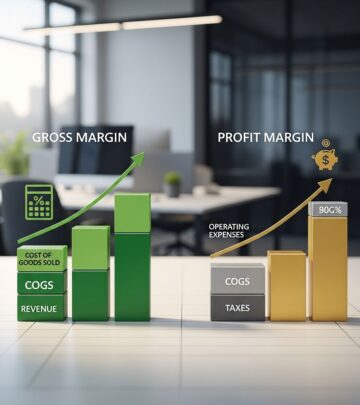
While gross sales represent total revenue, they do not directly indicate profitability. A company can generate substantial gross sales while operating at a loss if expenses exceed revenue. Understanding the relationship between gross sales and profitability requires examining additional financial metrics.
After determining gross sales, businesses calculate:
- Cost of Goods Sold (COGS): The direct costs of producing goods sold by the company.
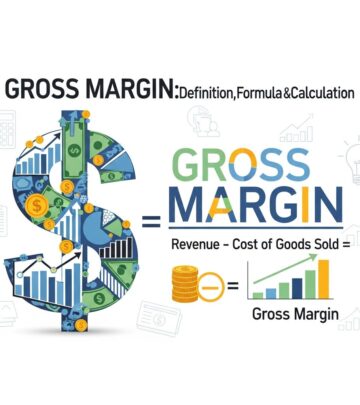
- Gross Profit: Gross Sales – COGS, representing profit before operating expenses.
- Operating Expenses: Costs associated with running the business, including salaries, rent, and utilities.
- Net Income: The final profit after all expenses and taxes are subtracted from revenue.
A company might report impressive gross sales figures yet generate minimal net income if operational expenses or production costs consume most of the revenue. Therefore, while gross sales are important, they should always be analyzed in conjunction with profitability metrics.
Factors Affecting Gross Sales
Multiple factors influence the level of gross sales a company generates:
Pricing Strategy
The prices charged for products or services directly impact gross sales. Higher prices can increase revenue per unit, while lower prices may attract more customers and increase volume.
Market Conditions
Economic conditions, competitive landscape, and consumer demand significantly affect sales volumes. During strong economic periods, gross sales typically Increase, while recessions often reduce sales activity.
Marketing and Sales Efforts
Investments in marketing, advertising, and sales team effectiveness directly influence customer acquisition and sales volumes, consequently affecting gross sales figures.
Product Quality and Innovation
High-quality products and innovative offerings attract more customers and can justify premium pricing, both contributing to higher gross sales.
Distribution and Availability
The accessibility of products through various distribution channels impacts customer reach and sales opportunities.
Gross Sales in Financial Statements
Gross sales appear as the starting point on income statements (also called profit and loss statements). This figure is typically one of the first lines presented, establishing the baseline from which all deductions and expenses are subtracted to arrive at net income. Public companies report gross sales in their annual reports and quarterly earnings statements, providing investors and analysts with essential information about business performance.
Industry Variations in Gross Sales Reporting
Different industries may emphasize or report gross sales differently based on business model and accounting standards:
- Retail: Focuses heavily on gross sales as a primary KPI for evaluating store performance.
- Services: May report gross revenue from service provision without product-related adjustments.
- Manufacturing: Tracks gross sales by product line to analyze manufacturing efficiency and market performance.
- SaaS and Subscriptions: Reports recurring revenue metrics that may differ from traditional gross sales calculations.
Frequently Asked Questions
Q: What is the difference between gross sales and revenue?
A: Gross sales and revenue are often used interchangeably to describe total income from sales before deductions. However, revenue is a broader term that can include income from other sources such as interest, investments, or licensing fees, while gross sales specifically refer to income from selling goods or services.
Q: Why is gross sales important if net sales provide a more accurate picture?
A: Gross sales are important because they reveal customer demand without being distorted by return policies or promotional discounting. Additionally, gross sales help evaluate sales team performance and identify market opportunities. Both metrics serve different analytical purposes and should be examined together.
Q: Can gross sales be negative?
A: No, gross sales cannot be negative. This metric represents the total value of completed sales transactions and cannot fall below zero. However, net sales can be negative if returns and allowances exceed the original sales amount.
Q: How frequently should gross sales be monitored?
A: Most businesses monitor gross sales monthly, with many tracking performance daily or weekly. Quarterly and annual analyses provide longer-term perspective. The frequency depends on industry norms, business size, and management needs.
Q: Is gross sales the same as turnover?
A: In many contexts, particularly outside the United States, gross sales are referred to as turnover. Both terms describe the total revenue generated from business activities before any deductions or expenses.
Q: How do returns and allowances affect gross sales calculations?
A: Returns and allowances do not affect gross sales calculations. Gross sales represent the original transaction value before adjustments. Returns and allowances are subtracted separately when calculating net sales.
References
- Revenue Recognition under IFRS 15 — International Accounting Standards Board (IASB). 2023. https://www.ifrs.org/issued-standards/list-of-standards/ifrs-15-revenue-from-contracts-with-customers/
- Financial Accounting Standards: Revenue and Expense Recognition — U.S. Securities and Exchange Commission (SEC). 2024. https://www.sec.gov/cgi-bin/browse-edgar
- Generally Accepted Accounting Principles (GAAP) Overview — Financial Accounting Standards Advisory Board (FASAB). 2024. https://www.fasb.org/
- Sales Metrics and Key Performance Indicators in Retail — National Retail Federation. 2024. https://nrf.com/research
- Income Statement Analysis and Financial Reporting — American Institute of Certified Public Accountants (AICPA). 2024. https://www.aicpa.org/resources/landing/accounting-standards-resources
Similar Articles








Read full bio of Sneha Tete