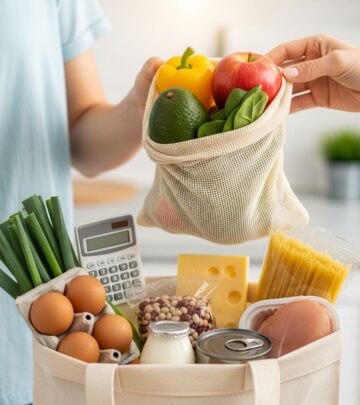
Save Money at the Grocery Store Salad Bar
Unlock grocery savings by shopping smart at the salad bar: buy small amounts of ingredients cheaper than packaged goods.
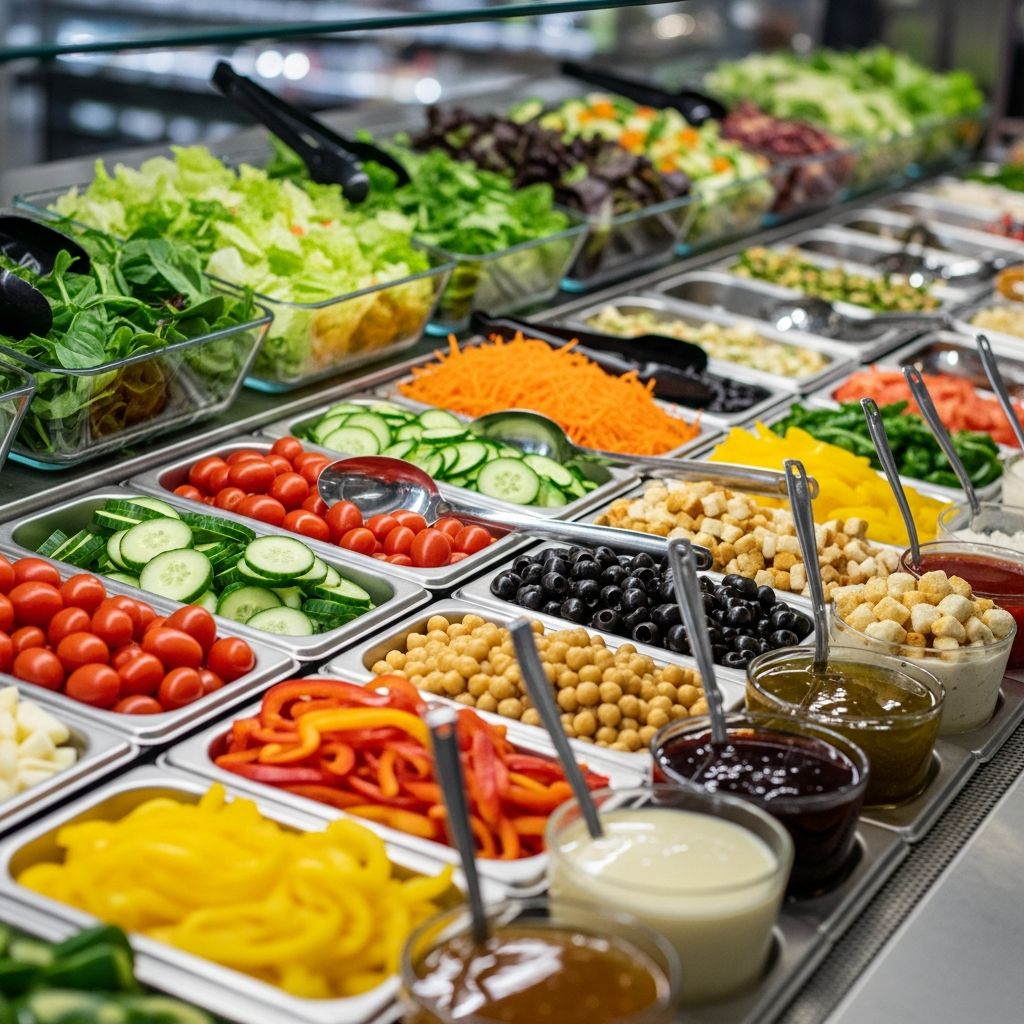
Imagine needing just a small amount of bacon for a recipe but not wanting to buy—and cook—an entire package. That’s exactly what happened to me one busy day. Scouring the grocery store, I spotted chopped bacon bits at the salad bar. I scooped about 1/3 cup into a small container, and it rang up for just 34 cents. That’s a fraction of the cost of a full package, already cooked, no frying required, no mess to clean up. This simple hack opened my eyes to the salad bar’s potential as a money-saving powerhouse for home cooks.
Salad bars aren’t just for assembling lunch salads anymore. They offer pre-prepped ingredients sold by the pound, perfect for recipes where you need tiny quantities. From shredded cheese to nuts, roasted garlic to pomegranate arils, these stations can slash your grocery bill—if you shop smart. But prices vary by store, from as low as $5.99 per pound to $8.99 or more. Before diving in, learn what to buy, what to skip, and how to compare value. This guide covers everything you need to turn your local supermarket’s salad bar into your secret weapon for affordable cooking.
What to Buy — and What to Avoid — at the Salad Bar
Not every item at the salad bar is a bargain. Some are markedly more expensive than shelf-stable versions, while others shine for convenience and cost. Base your choices on price per pound compared to packaged goods. Salad bar pricing fluctuates, so always do a quick mental math: weigh a small sample if possible or check unit prices.
Food Network Magazine analyzed common items and found big disparities. Here’s a breakdown:
Items to Buy at the Salad Bar (Great Deals)
- Bacon bits: Pre-cooked and chopped—ideal for salads, potatoes, or recipes. Often under $1 for small portions.
- Shredded cheeses: Cheddar, mozzarella, feta—cheaper per ounce than bagged for toppings on burgers, pizzas, or casseroles.
- Nuts: Walnuts, almonds, pecans—buy exactly what you need for baking or granola without waste.
- Roasted garlic or sun-dried tomatoes: Time-saving gourmet add-ins for dips, pizzas, or spreads.
- Shrimp or proteins: Pre-cooked options for appetizers or stir-fries in tiny amounts.
- Pomegranate arils or unusual fruits: Fresh and seedless without buying a whole fruit.
Items to Buy Elsewhere (Avoid or Limit)
Steer clear of these unless your salad bar is unusually cheap:
- Radishes: Up to 302% more expensive than bagged.
- Chickpeas: 368% markup—canned versions are far cheaper.
- Cooked pasta: Heavy by weight; dry pasta costs pennies to cook at home.
- Hard-boiled eggs: Simple to make yourself for a fraction of the price.
- Salad dressings: A 16-oz bottle of ranch is $4.99 on the shelf but could cost nearly double by weight at $6.99/lb.
These percentages are guidelines—your store’s rates differ. My local spots range from $6.99/lb (go-to for deals) to Whole Foods at $8.99/lb (save for rarities). Lucky shoppers with $5.99/lb bars can grab more freely.
When to Try Salad Bar Ingredients
The salad bar excels when recipes call for partial packages. Instead of letting half a bag of cheese mold or nuts go stale, grab precisely what you need. Here are real-world examples with price comparisons at $6.99/lb salad bar vs. supermarket shelves:
| Item | Quantity | Salad Bar ($6.99/lb) | Shelf Price | Savings |
|---|---|---|---|---|
| Shredded Cheddar | 4 oz | $1.76 | $1.99 | $0.23 |
| Walnuts | 2 oz | $0.88 | $2.32 | $1.44 |
| Bacon Bits | 1/3 cup (~2 oz) | $0.34 | $3-5/package | 80%+ |
Use these for:
- Topping four burgers with fresh cheese.
- Adding crunch to homemade granola.
- Sprinkling on salads or soups.
- Enhancing recipes without overbuying.
Consider Weight
Salad bars charge by weight, so dense items inflate costs. Cooked pasta absorbs water, weighing more than dry—buy dehydrated and boil instead. Hard-boiled eggs follow suit: peeling your own dozen costs under $2 vs. premium bar prices. Lighter items like herbs, seeds, or airy toppings offer the best value. Pro tip: Bring your own lightweight container (tare it at the register) to minimize packaging weight.
Take Advantage of Unusual Ingredients
Salad bars stock gems you won’t find packaged in small sizes: sun-dried tomatoes for pasta, feta crumbles for salads, roasted garlic cloves (skip the 45-minute roast), shrimp for tacos, or pomegranate seeds for yogurt parfaits. These save time, energy, and money—no need for a full jar of pricey imports that sit unused. I’ve added bar garlic to pizza dough, eggs, and hummus effortlessly. Check first for these treasures before the specialty aisle.
Consider Price per Pound
Aim for under $7/lb for solid deals:
- $5.99/lb: Excellent—stock up on favorites.
- $6.99/lb: Reliable everyday option.
- $8.99/lb: Higher-end like Whole Foods; reserve for must-haves.
Compare on-site: Note shelf unit prices (/oz or /lb) vs. bar rate. Factor convenience—prepped items justify slight premiums for busy cooks.
Practical Tips for Salad Bar Shopping
To maximize savings:
- Bring containers: Tare empty ones to pay only for food.
- Shop sales: Pair with store discounts.
- Portion precisely: Use the scoop for exact recipe amounts.
- Hygiene first: Use tongs, gloves if offered.
- Combine visits: Build salads or sides while grabbing ingredients.
Bonus: At chains like Whole Foods, salad bars complement bulk bins for even more savings on produce or spices.
Frequently Asked Questions (FAQs)
Is the salad bar cheaper than buying packaged ingredients?
Yes, for small amounts of items like cheese, nuts, or bacon—often 20-80% less. Always compare per-pound prices.
What if my salad bar is expensive, like $9/lb?
Skip volume buys; use only for rare items. Seek cheaper local grocers.
Can I bring my own container?
Most stores allow it—ask to tare the weight first for accuracy.
Are salad bar items fresh and safe?
Stores rotate stock regularly; choose vibrant, chilled items and check dates if posted.
Does this work at all grocery stores?
Most with salad bars (Whole Foods, Kroger, etc.). Call ahead to confirm pricing and selection.
On your next grocery run, detour to the salad bar. Once you master these hacks, it’ll transform how you shop and cook—saving cash, reducing waste, and simplifying meals. Share your tips below!
References
- United States Department of Agriculture Economic Research Service — USDA ERS. 2024-10-15. https://www.ers.usda.gov/data-products/food-price-outlook/summary-findings/
- Consumer Price Index: Food and Beverages — U.S. Bureau of Labor Statistics. 2025-01-10. https://www.bls.gov/cpi/
- Food Prices and Spending — USDA Economic Research Service. 2025-05-20. https://www.ers.usda.gov/data-products/ag-and-food-statistics-charting-the-essentials/food-prices-and-spending
- Retail Food Price Trends — USDA Agricultural Marketing Service. 2024-12-01. https://www.ams.usda.gov/services/retail-food-price-trends
- Household Food Spending — USDA Economic Research Service. 2023-09-01. https://www.ers.usda.gov/amber-waves/2023/september/household-food-spending-has-increased-substantially-since-2019
Similar Articles








Read full bio of medha deb