Grocery Savings Guide: Practical Strategies To Cut Weekly Costs
Unlock proven strategies to slash your grocery bill while keeping meals nutritious and delicious for your family.
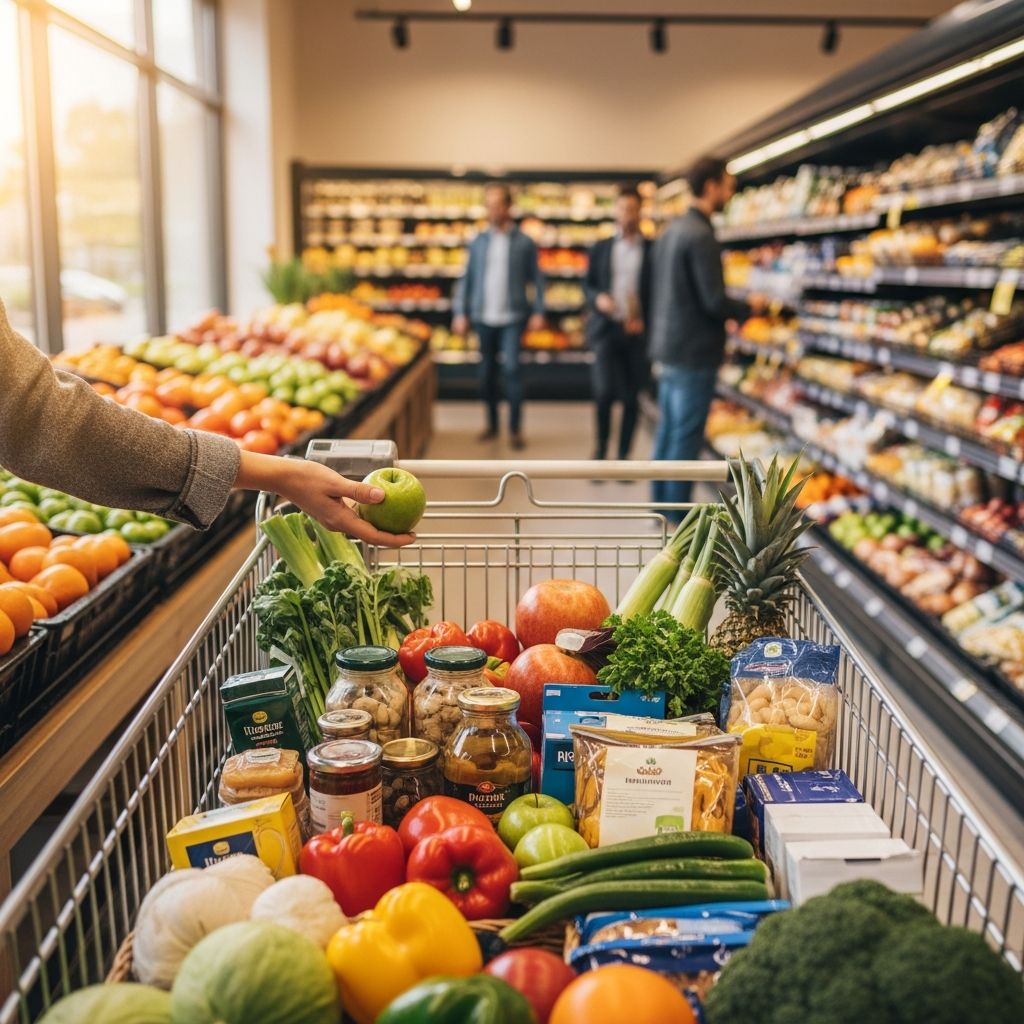
Mastering grocery shopping on a tight budget requires strategy, discipline, and a bit of foresight. With rising food prices, families everywhere seek ways to maintain nutritious diets without overspending. This guide outlines actionable steps to reduce your weekly grocery expenses significantly, drawing from proven methods used by thrifty shoppers.
Establishing Your Grocery Budget Foundation
Before stepping into any store, determine how much you can allocate for food each week. Track past spending to set a realistic target, aiming to cover essentials while allowing flexibility for sales. Experts recommend starting with 10-15% of your monthly income for groceries, adjusting based on household size.
- Review bank statements for the last three months to calculate average spend.
- Factor in household members: adults need about $50-70 weekly, children less.
- Set a weekly cap and use cash or a prepaid card to enforce it.
Once set, treat this budget as non-negotiable. Tools like simple spreadsheets or free apps can monitor adherence, helping you refine over time.
Crafting a Weekly Meal Blueprint
A solid meal plan is the cornerstone of budget-friendly eating. It prevents impulse purchases and ensures every item bought serves a purpose. Begin by inventorying your pantry, fridge, and freezer to use existing items first.
Plan for 7 days, incorporating breakfast, lunch, dinner, and snacks. Focus on versatile ingredients like rice, beans, eggs, and seasonal veggies that stretch across multiple meals. For example, a whole chicken can yield dinner one night, sandwiches the next, and soup later.
| Day | Meal Ideas | Key Ingredients |
|---|---|---|
| Monday | Oatmeal breakfast, bean chili dinner | Oats, beans, rice, onions |
| Tuesday | Egg fried rice lunch, veggie stir-fry | Eggs, frozen veggies, rice |
| Wednesday | Yogurt parfait, pasta with sauce | Pasta, canned tomatoes, yogurt |
| Thursday | Peanut butter toast, lentil soup | Lentils, bread, peanut butter |
| Friday | Smoothie, chicken tacos | Chicken, tortillas, frozen fruit |
| Weekend | Leftovers focus | Pantry staples |
This approach minimizes waste and maximizes value. Build around sales flyers or seasonal produce for even greater savings.
Mastering the Art of the Shopping List
Your meal plan directly informs a precise shopping list. Organize it by store sections—produce, dairy, grains—to streamline shopping and resist temptations. Include quantities and estimated prices to spot deals quickly.
- Check staples like spices and oils before listing.
- Prioritize needs over wants; no list item means no purchase.
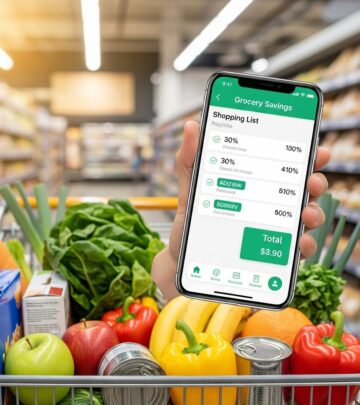
- Use digital lists on your phone for easy updates and crossing off items.
Pro tip: Shop after a full meal to curb hunger-driven buys. Studies show full shoppers spend up to 20% less.
Strategic Bulk Purchasing and Storage
Buying in bulk slashes per-unit costs for non-perishables like grains, beans, and canned goods. Warehouse clubs excel here, but even regular stores offer value packs.
Compare price per ounce: a 10-pound rice bag often costs half per serving versus small ones. Dry goods like oats or pasta store indefinitely in airtight containers.
- Portion meats before freezing to avoid waste.
- Opt for family-sized frozen veggies over fresh for longevity and nutrition parity.
- Only bulk-buy what fits your storage and consumption rate.
Frozen produce matches fresh nutrient levels and lasts longer, per research in the Journal of Food Composition and Analysis.
Navigating Stores for Maximum Discounts
Multiple stores can yield the best deals—discount grocers for basics, ethnic markets for spices, clubs for bulk. Visit 2-3 per trip, starting with bulky items.
Time visits for markdowns: late evenings for reduced bakery or meat. Know baseline prices for staples to identify true sales.
- Shop store perimeters for fresh, affordable whole foods.
- Compare unit prices on shelf tags.
- Test alternative stores monthly for 30-60% savings on rice or veggies.
Leveraging Generics, Coupons, and Loyalty Programs
Store brands match name-brand quality at lower prices—try them risk-free. Coupons amplify savings but only for planned items.
Apps and loyalty cards clip digital deals effortlessly, saving $5-10 per trip. Organize lists by aisle to speed through and skip impulse zones.
- Scan for generic wins in canned goods, dairy.
- Combine sales with coupons for stackable discounts.
- Join communities on Reddit or Facebook for local hacks.
Preserving Food to Eliminate Waste
Waste accounts for 30% of food budgets. Combat it with smart preservation: freeze breads, cheese, extras; portion leftovers immediately.
Monthly fridge purges ensure usage. Stretch proteins with cheap fillers like potatoes or rice.
- Freeze rice in portions for quick meals.
- Repurpose veggies into soups or stocks.
- Use airtight containers to extend shelf life.
Incorporating Affordable Nutrition
Budget doesn’t mean bland. Whole grains like brown rice, oats provide filling nutrition cheaply. MyPlate.gov endorses rice and pasta as economical grains; freeze extras for convenience.
In-season produce costs less and tastes superior. Eggs, beans offer protein punches under $2 per pound equivalent.
Advanced Techniques for Extreme Savings
For ultra-tight budgets, build a backup shelf of shelf-stable meals like pasta and tuna. Rotate stock to keep fresh. Explore discount outlets or co-ops.
Prepare from scratch: pre-chopped items inflate costs. Home cooking yields healthier, cheaper outcomes.
Common Pitfalls and How to Avoid Them
- Impulse buys: Stick rigidly to your list.
- Overbuying perishables: Buy only weekly needs.
- Ignoring sales cycles: Plan around weekly ads.
- Forgetting inventory: Always check home stocks first.
Frequently Asked Questions
How much should a family of four spend weekly on groceries?
Aim for $150-250, depending on location and diet. Adjust via planning and sales.
Are frozen foods healthier than fresh?
Often equally nutritious and cheaper, as they’re frozen at peak ripeness.
What’s the best day to grocery shop?
Midweek for stock-ups; evenings for markdowns.
Can I shop on SNAP with these tips?
Yes—focus on bulk staples, frozen produce, and sales where allowed.
How do I handle kids wanting extras?
Involve them in planning; set a small ‘fun’ budget line item.
References
- Shop Smart — MyPlate.gov (USDA). Accessed 2026. https://www.myplate.gov/eat-healthy/healthy-eating-budget/shop-smart
- Food Shopping and Meal Planning — Nutrition.gov. Accessed 2026. https://www.nutrition.gov/topics/shopping-cooking-and-meal-planning/food-shopping-and-meal-planning
- Frozen vs. Fresh Produce Nutrition — Journal of Food Composition and Analysis. 2017. https://www.sciencedirect.com/science/article/pii/S088915751730098X
Similar Articles








Read full bio of medha deb