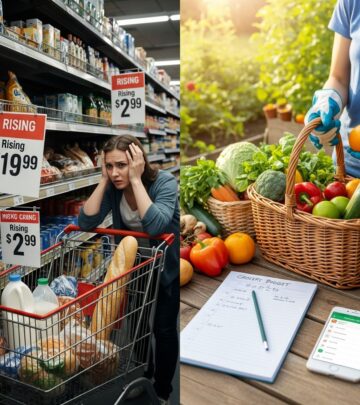
Grocery Costs: Pre-Pandemic, Peak, and Post-COVID
Explore how COVID-19 transformed grocery prices, from initial shocks to lasting increases, and strategies for managing rising food expenses.
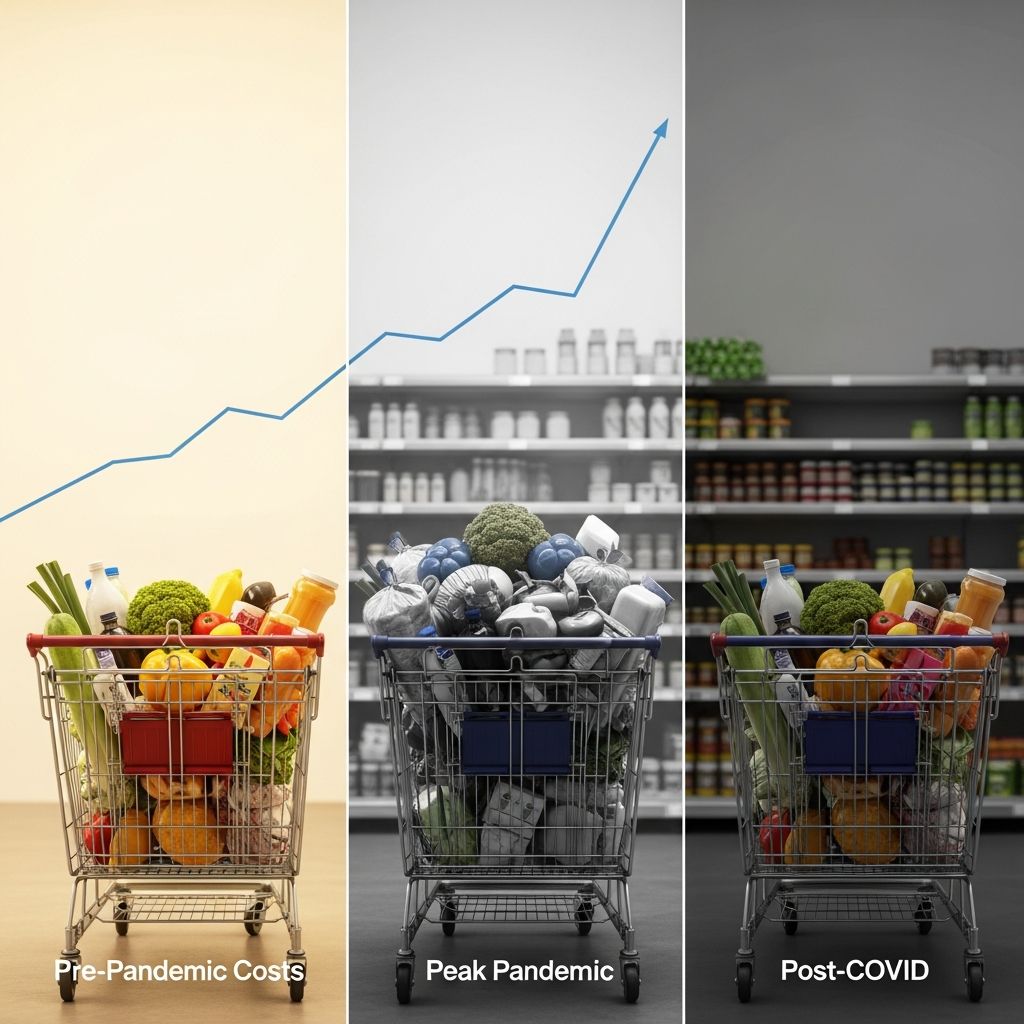
The COVID-19 pandemic fundamentally altered everyday expenses, with grocery bills emerging as one of the most noticeable casualties. What started as temporary disruptions evolved into sustained price hikes that continue to challenge household budgets years later. This analysis delves into the trajectory of food prices at home, drawing on official data to reveal patterns, causes, and implications for consumers today.
Baseline Grocery Expenses Before the Pandemic
Prior to 2020, grocery prices in the United States followed a relatively stable trajectory, influenced by steady economic growth, predictable supply chains, and moderate inflation. The Consumer Price Index (CPI) for food at home—the metric tracking prices of groceries purchased for home consumption—rose by about 1.1 percent in the 12 months leading up to March 2020. This gradual increase aligned closely with overall inflation, allowing most families to plan their budgets without major adjustments.
Key staples like meat, dairy, eggs, and grains maintained consistent pricing due to efficient global trade and domestic production. For instance, producer prices for final-demand foods showed minimal volatility, with monthly changes rarely exceeding 1 percent. Households spent an average of around $500 monthly on groceries, a figure that felt manageable amid rising wages and low unemployment.
However, this stability masked underlying vulnerabilities. Reliance on just-in-time inventory systems and interconnected global networks meant that any shock could ripple quickly through the system. The pre-pandemic era also saw growing demand from foodservice sectors like restaurants and schools, which absorbed significant portions of perishable goods production.
Pandemic Onset: Explosive Price Surges and Supply Breakdowns
As lockdowns took hold in early 2020, consumer behavior shifted dramatically. Restaurant closures slashed demand from institutional buyers, while panic buying at supermarkets created unprecedented stockpiling. This mismatch overwhelmed supply chains, leading to acute shortages and price spikes, particularly for proteins and perishables.
The Producer Price Index (PPI) for final-demand foods exemplified this chaos. From March to June 2020, the index dipped slightly overall (-0.1 percent) but hid wild swings: a 6.0 percent jump in May driven by a 40.4 percent meat price surge, followed by a 5.2 percent drop in June as meat fell 27.7 percent. Meat processing plants faced outbreaks, forcing shutdowns and capacity cuts, while suppliers struggled to pivot from bulk institutional packaging to consumer sizes.
Dairy faced similar turmoil. School closures and reduced restaurant demand caused the PPI for dairy products to fall 2.7 percent from February to June 2020. Farmers dumped milk due to lack of markets, unable to repackage quickly for retail. Eggs and corn also volatile, with corn dropping over 20 percent amid ethanol demand shifts.
Consumer-level impacts were stark. The CPI for food at home rose 4.3 percent (seasonally adjusted) from March to June 2020, dwarfing prior trends. Data collection shifted to online methods, with 96 percent of prices gathered digitally by June, introducing biases like higher online pricing compared to in-store.
| Category | Pre-Pandemic Monthly Change (2019) | Pandemic Peak Change (Mar-Jun 2020) |
|---|---|---|
| Final-Demand Foods PPI | ~0.5% | -0.1% (with ±5-6% swings) |
| Meat Prices | Stable | +40.4% (May) |
| Dairy Products | Stable | -2.7% |
| Food at Home CPI | +1.1% (annual) | +4.3% |
This table summarizes the volatility, highlighting how pandemic pressures amplified fluctuations.
Supply Chain Disruptions: The Core Driver of Peak Inflation
The pivot from food-away-from-home to at-home consumption exposed fragilities. Growers and ranchers lost key outlets, rendering it impractical to harvest or store perishables. Grocery operating costs spiked, with the Grocery Stores PPI up 7.9 percent in April 2020 and 6.7 percent in May over 2019 levels, reflecting adaptation expenses like enhanced sanitation and staffing shortages.
Retailers implemented operational overhauls: limiting purchases per customer, expanding online fulfillment, and managing crowds. These changes, while necessary, inflated costs passed to consumers. Globally, similar patterns emerged, with studies in India showing significant rises in staples like wheat flour and rice due to hoarding and panic buying, contrasted by onion price drops.
- Panic Buying: Early stockpiling depleted shelves, driving spot prices up.
- Processing Bottlenecks: Plant closures from outbreaks halted meat and dairy flows.
- Logistics Shifts: Demand for home delivery strained trucking and warehousing.
- Labor Shortages: Illness and quarantines reduced workforce availability across the chain.
Retail food sales peaked 57.5 percent higher during March 9–22, 2020, underscoring the demand surge.
Post-Peak Persistence: Why Prices Haven’t Reverted
By late 2020, acute shortages eased, but prices refused to retreat fully. Cumulative effects—labor shortages, higher input costs, and geopolitical tensions—locked in higher baselines. From March 2020 to December 2025, food-at-home CPI climbed 29.4 percent, outpacing general inflation at 25.6 percent.
Beef led the charge: roasts +73.8 percent, steaks +57.0 percent, ground beef +52.5 percent. Eggs rose 51.4 percent overall, though corrected -13.2 percent in the final year. Average monthly grocery spend hit nearly $700 by 2025, with USDA projecting 2.3 percent further rise in 2026.
Broader factors sustained this: ongoing supply chain kinks, avian flu outbreaks affecting eggs and poultry, energy cost spikes for farming/transport, and wage pressures in food sectors. From 2020-2024, food prices rose 23.6 percent versus 21.2 percent overall inflation.
Category-by-Category Price Evolution
Proteins: Meats dominated increases due to processing vulnerabilities. Post-2020, beef and pork remained elevated.
Dairy and Eggs: Initial drops gave way to rebounds as demand normalized, with eggs highly volatile.
Grains and Staples: Corn fluctuated with energy links; rice/flour rose amid global hoarding.
Pantry Items: Coffee and canned goods saw steady climbs from import disruptions.
| Item | % Change Mar 2020-Dec 2025 | Recent Trend (2025) |
|---|---|---|
| Beef Roasts | +73.8% | Persistent high |
| Ground Beef | +52.5% | Moderating |
| Eggs | +51.4% | -13.2% |
| Food at Home Overall | +29.4% | +2-3% projected 2026 |
Ranked by total pandemic-era increase, per CPI data.
Consumer Strategies for Navigating Elevated Prices
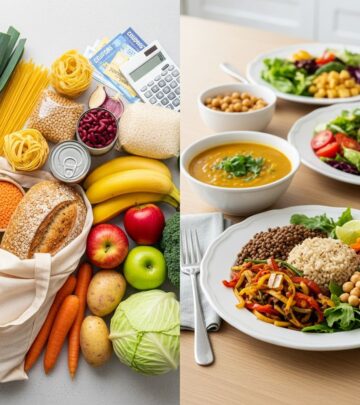
Families adapted by shifting habits: more meal planning, bulk buying non-perishables, and exploring generics. Government cash transfers and remittances sometimes eased pressures by diversifying diets away from priciest staples.
- Prioritize seasonal produce to cut fresh food costs.
- Compare unit prices across brands and stores.
- Leverage loyalty programs and digital coupons.
- Reduce waste through portion control and freezing.
- Balance budgets by tracking weekly spends via apps.
Long-term, investing in home gardening or co-op buying can mitigate reliance on retail.
Future Outlook: Tariffs and New Pressures
Five years post-COVID, prices hover high, with potential tariffs risking fresh surges. USDA forecasts moderate 2026 increases, but external shocks like trade policies could accelerate them.
Frequently Asked Questions
What caused the biggest grocery price jumps during COVID?
Supply chain breaks, meat plant closures, and demand shifts from restaurants to homes drove spikes, especially in meats (up 40 percent in May 2020).
Have grocery prices returned to pre-pandemic levels?
No; food-at-home prices are up 29.4 percent through 2025, far above general inflation.
Which grocery items saw the sharpest rises?
Beef roasts (+73.8 percent), steaks (+57 percent), and ground beef (+52.5 percent) top the list since March 2020.
How can I lower my grocery bill now?
Shop sales, buy generics, plan meals, and minimize waste—strategies proven effective post-pandemic.
Will food prices keep rising in 2026?
USDA projects 2.3 percent growth for food at home, influenced by ongoing inflation and supply factors.
References
- The impact of the COVID-19 pandemic on food price indexes and data collection — U.S. Bureau of Labor Statistics. 2020-10-01. https://www.bls.gov/opub/mlr/2020/article/the-impact-of-the-covid-19-pandemic-on-food-price-indexes-and-data-collection.htm
- Impacts of the COVID-19 Pandemic on Food Prices — University of Arkansas ScholarWorks. 2022. https://scholarworks.uark.edu/aeabpub/22/
- Grocery Store Items That Have Increased Most in Price — Trace One. 2025. https://www.traceone.com/resources/plm-compliance-blog/grocery-store-items-that-have-increased-most-in-price
- Why food prices are still high, five years after COVID — Axios. 2025-03-10. https://www.axios.com/2025/03/10/covid-inflation-food-prices-five-years-increases-expensive
- Food Prices — Food Marketing Institute. 2020. https://www.fmi.org/foodprices
- Food and Consumers — USDA Economic Research Service. 2020. http://www.ers.usda.gov/covid-19/food-and-consumers
Similar Articles








Read full bio of Sneha Tete