Greenback: Definition, History, and Currency Significance
Understanding puppy vomiting: Learn the common causes, how to treat it at home, and when veterinary care is essential.

Understanding Greenbacks: The Foundation of Modern Currency
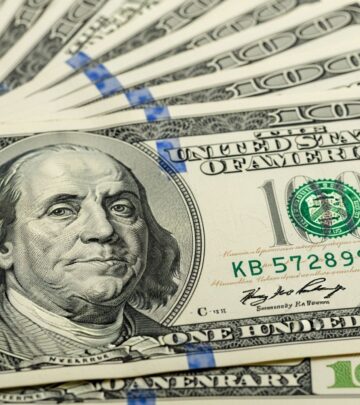
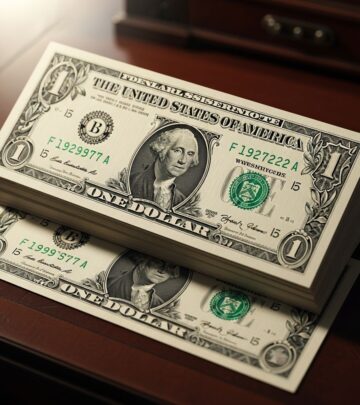
A greenback is the informal term for paper money issued by the United States government, specifically referring to the distinctive green ink used on the reverse side of bills. The term has become synonymous with the US dollar and represents one of the most important currencies in the global financial system. Today, the greenback accounts for approximately two-thirds of all official foreign exchange reserves worldwide and nearly 90% of global foreign exchange transactions, making it the dominant currency in international commerce and finance.
The greenback serves as more than just a medium of exchange within the United States; it functions as a critical economic tool that influences global markets, trade relationships, and investment flows. Understanding what greenbacks are, their historical development, and their contemporary role is essential for anyone interested in economics, finance, or international trade.
Historical Origins of the Greenback
The story of the greenback begins during one of America’s most turbulent periods: the Civil War (1861-1865). As the Union government faced enormous expenses funding the war effort, it confronted a severe financial crisis. The traditional monetary system relied heavily on gold reserves, which backed all paper currency in circulation. However, the government needed to invest substantial portions of its gold holdings to finance military operations, creating a critical shortage of funds for both war expenses and taxation.
In 1862, Treasury Secretary Salmon P. Chase proposed an innovative solution to this financial crisis. He advocated for issuing a new series of paper currency that would be backed by government bonds rather than by gold reserves. This represented a fundamental departure from the established monetary system and was met with considerable skepticism from financial authorities and the general public.
To distinguish these new bonds-backed bills from gold-backed currency, government minters printed the reverse side using bright green ink. This distinctive coloring gave the new currency its enduring name: greenbacks. The initial issuance of greenbacks was intended as a temporary wartime measure to provide the government with sufficient funds to continue prosecuting the war.
The Greenback Standard and Monetary Policy
The greenback system represented a revolutionary departure from the precious metal standards that had dominated monetary systems for centuries. Under the traditional gold standard, governments could only issue paper money equivalent to the amount of gold they held in reserve. This system provided monetary stability but created significant economic constraints during times of crisis or rapid economic growth.
The gold standard ensured relatively stable monetary systems and prevented the modern complications associated with inflation, where the purchasing power of money declines and consumer prices rise. However, this system also created numerous problems. When precious metal supplies diminished—whether due to wars, economic crises, or natural scarcity—the currency supply contracted proportionally. This restriction meant that lower-income individuals, particularly farmers and laborers, had less access to usable funds for commerce and investment.
Banks, powerful business owners, and others with direct access to precious metals enjoyed significant advantages over ordinary citizens who relied on paper money. The government also faced severe limitations in its ability to implement economic corrections during financial crises. These systemic problems would eventually contribute to significant social and political movements demanding currency reform.
Challenges and Complications with Early Greenbacks
Despite their intended benefits, greenbacks encountered immediate and substantial problems upon issuance. First, greenbacks were worth considerably less than gold-backed currency, creating a two-tiered monetary system that confused markets and complicated commerce. Second, the sudden and dramatic increase in the money supply from greenback issuance threatened to destabilize the established monetary system and trigger harmful inflation.
These concerns generated significant pessimism about the greenback project among financial authorities and conservative economists. When the Civil War concluded with Union victory, the government promptly abandoned greenback printing and reinstated the gold standard as the basis for the monetary system. However, the widespread distribution of greenbacks throughout the economy meant that many communities had come to rely on them as their primary form of exchange.
The Greenback Movement and Political Reform
Following the Civil War, many citizens who had purchased greenbacks attempted to redeem them with the government for refunds. This redemption pressure intensified dramatically in 1867 when an economic recession began. The government initially attempted to deny further refunds on the officially defunct greenback currency. However, American law stipulated that any money printed by the government remains officially usable as long as it exists and may be exchanged at its original face value.
Greenbacks had become deeply embedded in the economy, particularly in rural communities and among lower-income populations. Farmers, small-town merchants, laborers, and economic reformers embraced greenbacks as symbols of economic power for ordinary citizens against the country’s financial elites. These groups viewed greenback currency as a more democratic form of money that provided greater access to capital and financial resources.
The greenback issue became increasingly divisive during the 1870s when the United States entered a severe financial depression. The economic instability generated substantial support for greenbacks alongside other issues affecting farmers, laborers, and lower-income populations. Leaders unified around currency reform established their own political organization: the Greenback Party, also known as the Greenback-Labor Party. This movement represented one of the most significant attempts at third-party politics in American history.
The Modern Greenback and Global Finance
In contemporary financial markets, the greenback has evolved from a wartime emergency measure into the world’s primary reserve currency and medium for international commerce. The US dollar’s dominance reflects not only historical convention but also the strength and stability of the American economy, the depth of US financial markets, and the global confidence in American institutions.
The greenback’s prominence in global finance creates significant advantages for the United States. American companies can conduct international business using their home currency, reducing exchange rate risks. The US government can borrow at favorable interest rates because demand for dollar-denominated assets remains consistently high. International investors seeking safety during periods of economic or political uncertainty typically increase their holdings of dollar-denominated assets, driving up demand for greenbacks.
Recent economic developments have reinforced greenback strength. As global economic uncertainty rises, investors have rushed toward safe assets, with the US dollar dominating this category. The US dollar has gained approximately 6.7% against the euro, 5.5% against the British pound, and 8.6% against the South Korean won, reflecting broader trends in currency markets. The nominal Federal Reserve Board broad dollar index reached its highest level since records began, demonstrating the remarkable strength of the greenback in contemporary markets.
Factors Influencing Greenback Value
Multiple factors determine the value and strength of the greenback in global currency markets. First, potential US tariffs and retaliatory measures by other nations have generated rising global economic uncertainty, prompting investors to seek safety in dollar-denominated assets. Second, tariff policies affect trade balances and import levels, which in turn influence currency values through capital flows and investment decisions.
Third, tariffs impact the greenback through elevated inflation expectations, which keep US interest rates higher for longer, making dollar-denominated assets more attractive to international investors. Fourth, the greenback’s strength reflects the strong fundamentals of the US economy, which has outpaced other advanced economies in growth and stability. The US economy’s superior performance compared to other developed nations has attracted global capital seeking exposure to American assets.
Currency traders and international investors closely monitor these factors when making decisions about dollar holdings. The relationship between trade policy, interest rates, economic growth, and currency values demonstrates the complex interconnections within the modern global financial system.
Greenback Reserves and International Trade
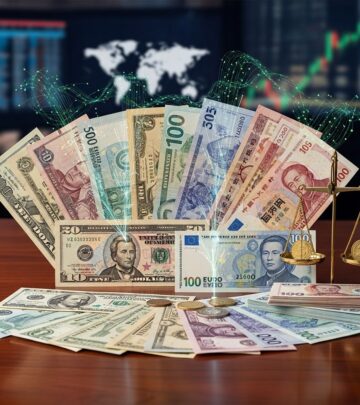
The dominant position of the greenback in global finance reflects its critical role in international reserves and foreign exchange transactions. Approximately two-thirds of official foreign exchange reserves held by central banks worldwide are denominated in US dollars. This enormous stock of dollar reserves means that greenbacks function as the primary settlement currency for international trade and finance.
Nearly 90% of global foreign exchange transactions involve the US dollar on at least one side of the transaction. This overwhelming dominance means that even countries conducting bilateral trade with each other frequently use dollars as the intermediary currency, rather than exchanging their own currencies directly. This arrangement reinforces demand for greenbacks and strengthens the currency’s position.
In times of economic and political uncertainty, the demand for greenbacks typically increases as investors and central banks seek exposure to the world’s most trusted and liquid currency. This safe-haven appeal of the greenback has become increasingly evident in recent years as global economic conditions have deteriorated and political risks have multiplied.
Emerging Market Pressures and Currency Flows
While greenback strength benefits the United States, it creates challenges for emerging market economies. As investors pull capital from emerging markets to seek safety in dollar-denominated assets, currencies in developing nations weaken against the greenback. For example, foreign institutional investors have withdrawn significant capital from Indian equity markets to return to the United States for safety or redeploy funds to markets with lower valuations, contributing to weakening of the Indian rupee against the dollar.
This dynamic reflects a broader pattern where greenback strength during periods of uncertainty creates capital outflows from emerging markets, weakening their currencies and increasing the cost of dollar-denominated debt. Central banks in emerging markets face a delicate balancing act between lowering interest rates to support growth and maintaining rate levels to prevent currency depreciation and imported inflation.
Comparison of Currency Strength and Central Bank Actions
| Region/Country | Currency | Central Bank Stance | Impact on Dollar |
|---|---|---|---|
| United States | Dollar (Greenback) | Higher rates expected | Strengthens |
| Eurozone | Euro | Rate cuts (25 bps in January) | Weakens vs. Dollar |
| United Kingdom | Pound | Third rate cut in six months | Weakens vs. Dollar |
| Japan | Yen | Raising rates | Mixed |
| Brazil | Real | Raising rates | Mixed |
| Emerging Markets (General) | Various | Cautious rate cuts | Relative weakness |
Future Outlook for Greenback Strength
Going forward, the greenback’s strength will depend heavily on the degree of US tariff announcements and trade policy implementation. Higher tariff levels will likely support continued dollar appreciation, as tariffs reduce import demand and create uncertainty that drives investment toward safe assets. However, continued uncertainty regarding the tariff regime itself may create volatility in currency markets and financial assets.
When tariff announcements fluctuate and face revisions, businesses struggle to make investment decisions without clear frameworks guiding their strategic planning. This uncertainty has already begun weighing on financial markets, with equity prices and bond yields declining since late February. The interplay between trade policy, currency values, and financial market performance will shape the greenback’s trajectory in coming years.
Frequently Asked Questions
What does the term “greenback” refer to?
The term “greenback” refers to paper currency issued by the US government, specifically named for the distinctive green ink printed on the reverse side of bills. Today, it is used informally to describe US dollar bills.
When were greenbacks first introduced?
Greenbacks were first introduced in 1862 by Treasury Secretary Salmon P. Chase as a solution to the financial crisis created by Civil War expenses. They were backed by government bonds rather than gold reserves.
Why is the greenback so important in global finance?
The greenback dominates global finance because it accounts for approximately two-thirds of official foreign exchange reserves and nearly 90% of global foreign exchange transactions. It serves as the primary safe-haven currency and medium for international trade.
How does US tariff policy affect greenback strength?
Higher US tariffs typically strengthen the greenback by creating uncertainty that drives investors toward safe assets, while also affecting trade balances and keeping US interest rates elevated, making dollar-denominated assets more attractive.
What was the Greenback Movement?
The Greenback Movement was a late 19th-century political and social initiative advocating for currency reform. It emerged in response to economic hardship and the limitations of the gold standard, with supporters forming the Greenback Party to champion the interests of farmers, laborers, and lower-income populations.
References
- The ‘greenback’ gains as global economic uncertainty rises — Deloitte. 2025. https://www.deloitte.com/us/en/insights/economy/spotlight/united-states-dollar-strength-amid-economic-uncertainty.html
- Greenback movement — EBSCO Research Starters. 2024. https://www.ebsco.com/research-starters/politics-and-government/greenback-movement
- The Gold Standard and Monetary Policy — Federal Reserve Board. https://www.federalreserve.gov/
- Currency Markets and Exchange Rates — US Department of the Treasury. https://home.treasury.gov/
Similar Articles








Read full bio of Sneha Tete