Green Technology: Sustainable Solutions for a Cleaner Future
Understanding green technology and its role in environmental sustainability and innovation.

What is Green Technology?
Green technology, often referred to as clean technology or environmental technology, represents a broad category of innovative solutions designed to minimize environmental damage while promoting sustainability. These technologies leverage scientific advancements and engineering principles to create products, services, and systems that reduce pollution, conserve natural resources, and lower greenhouse gas emissions. The primary objective of green technology is to establish a harmonious balance between technological progress and environmental preservation.
The concept of green technology extends beyond simple environmental compliance; it represents a fundamental shift in how businesses and industries approach production, consumption, and waste management. By integrating environmental considerations into technological development from the outset, green technology companies and innovators create solutions that benefit both the planet and human societies.
Understanding the Core Principles of Green Technology
Green technology is built upon several fundamental principles that guide its development and application:
- Resource Efficiency: Maximizing the output while minimizing resource consumption and waste generation
- Pollution Prevention: Designing processes and products that eliminate or significantly reduce pollutant emissions
- Sustainability: Creating solutions that can be maintained long-term without depleting natural resources
- Circular Economy: Promoting recycling, reuse, and regeneration of materials throughout product lifecycles
- Renewable Energy Integration: Incorporating clean, renewable energy sources into technological solutions
Key Applications of Green Technology
Green technology finds application across numerous industries and sectors, fundamentally transforming how we produce energy, manage waste, and utilize resources.
Renewable Energy Solutions
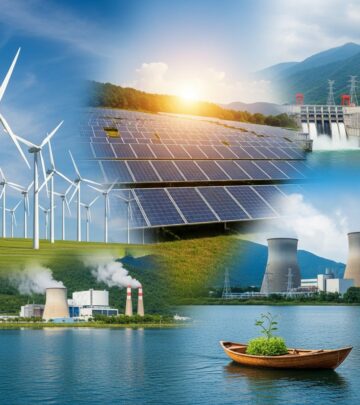
One of the most prominent applications of green technology involves renewable energy generation. Solar photovoltaic systems convert sunlight directly into electricity, while wind turbines harness kinetic energy from atmospheric movement. Hydroelectric power stations utilize flowing water to generate electricity, and geothermal systems tap into Earth’s internal heat. These technologies have become increasingly efficient and cost-effective, making them viable alternatives to fossil fuel-based energy generation.
Energy Efficiency Technologies
Green technology also encompasses advanced systems designed to reduce energy consumption in buildings, vehicles, and industrial processes. Smart building management systems optimize heating, cooling, and lighting based on occupancy and weather conditions. Electric vehicles powered by rechargeable batteries eliminate tailpipe emissions, while advanced manufacturing techniques reduce energy requirements in industrial production.
Water Treatment and Conservation
Innovative green technologies address water management challenges through advanced purification systems, desalination processes, and smart irrigation solutions. These technologies help conserve freshwater resources, reduce contamination, and ensure access to clean drinking water in water-stressed regions.
Waste Management and Recycling
Green technology revolutionizes how societies handle waste through advanced recycling systems, composting technologies, and waste-to-energy conversion processes. These solutions reduce landfill dependency while recovering valuable resources and generating renewable energy.
The Business Case for Green Technology
Beyond environmental benefits, green technology presents compelling economic advantages for businesses and investors. Companies investing in green technology often experience reduced operational costs through improved energy efficiency and waste reduction. Additionally, green technology attracts environmentally conscious consumers, enhances brand reputation, and opens access to growing markets focused on sustainability.
Investment Opportunities
The green technology sector has emerged as a significant investment opportunity, with venture capital firms, institutional investors, and governments channeling substantial funding into sustainable innovation. Renewable energy installations, electric vehicle manufacturing, and energy storage solutions represent particularly attractive investment sectors within the broader green technology landscape.
Cost Reduction and Operational Efficiency
Many green technologies generate long-term cost savings through reduced energy consumption, lower material waste, and decreased operational expenses. Although initial implementation costs may be substantial, the return on investment typically justifies these upfront expenditures through years of operational savings.
Global Regulatory Framework Supporting Green Technology
Governments worldwide have implemented regulatory frameworks and financial incentives to accelerate green technology adoption. These include:
- Renewable energy subsidies and tax credits for clean energy installations
- Emission trading systems that penalize carbon-intensive industries
- Building efficiency standards requiring energy-efficient construction
- Vehicle emission regulations promoting electric vehicle adoption
- Research and development grants supporting green technology innovation
Challenges in Green Technology Development and Deployment
Despite tremendous progress, the green technology sector faces several significant challenges that must be addressed to accelerate widespread adoption.
Initial Capital Requirements
Many green technologies require substantial upfront investments, which can deter adoption among small businesses and developing nations. While operational costs decrease over time, the barrier to entry remains significant for many potential adopters.
Technological Maturity
Some green technologies, particularly emerging solutions, have not yet reached full commercial maturity. Continued research and development funding is essential to improve efficiency, reduce costs, and expand practical applications.
Infrastructure Adaptation
Transitioning to green technology often requires substantial infrastructure modifications. For example, widespread electric vehicle adoption necessitates extensive charging station networks, while renewable energy integration requires modernized electrical grids capable of managing variable power generation.
Market Competitiveness
Traditional energy sources benefit from established infrastructure, subsidies, and economies of scale that sometimes provide cost advantages over emerging green technologies. Overcoming these market barriers requires continued innovation and supportive policies.
Emerging Trends in Green Technology
The green technology landscape continues to evolve rapidly, with several exciting innovations reshaping the sector:
Battery Technology Advancement
Innovations in energy storage systems, including lithium-ion batteries and emerging solid-state battery technologies, enable better integration of renewable energy sources and improve electric vehicle performance.
Artificial Intelligence and IoT Integration
Smart systems utilizing artificial intelligence and Internet of Things technologies optimize resource consumption in buildings, transportation networks, and industrial facilities, maximizing efficiency and minimizing waste.
Carbon Capture and Storage
Advanced technologies for capturing carbon dioxide from the atmosphere or industrial emissions represent a promising approach to mitigating climate change impacts.
Green Materials Innovation
Biodegradable plastics, recycled composite materials, and sustainable building materials offer environmentally friendly alternatives to conventional materials.
The Role of Green Technology in Climate Change Mitigation
Green technology serves as a critical tool in addressing climate change by reducing greenhouse gas emissions, promoting carbon sequestration, and transitioning economies away from fossil fuel dependency. As global temperatures continue to rise and climate impacts intensify, accelerating green technology adoption becomes increasingly urgent for achieving climate stabilization objectives.
Comparing Traditional Energy vs. Green Technology
| Aspect | Traditional Energy | Green Technology |
|---|---|---|
| Emissions | High greenhouse gas emissions | Minimal to zero emissions |
| Resource Renewability | Finite fossil fuel reserves | Renewable and sustainable sources |
| Long-term Costs | Rising fuel costs; externalized environmental costs | Declining technology costs; reduced operational expenses |
| Environmental Impact | Air pollution, water contamination, habitat disruption | Minimal environmental degradation |
| Job Creation | Declining sector employment | Rapidly growing employment opportunities |
| Scalability | Limited by resource availability | Highly scalable across diverse applications |
Frequently Asked Questions About Green Technology
Q: What is the difference between green technology and clean technology?
A: Green technology and clean technology are often used interchangeably. However, green technology typically emphasizes environmental sustainability across the entire product lifecycle, while clean technology focuses specifically on reducing pollution and emissions. Both terms describe technologies designed to minimize environmental harm.
Q: How does green technology contribute to economic growth?
A: Green technology creates new industries, generates employment opportunities, and drives innovation. The renewable energy sector, for example, has become one of the fastest-growing employment sectors globally, offering competitive wages and career advancement opportunities. Additionally, green technology investments stimulate economic activity and technological advancement.
Q: Is green technology affordable for average consumers?
A: While green technology products and systems often have higher initial costs than traditional alternatives, prices continue declining as technologies mature and production scales increase. Additionally, government incentives, tax credits, and long-term operational savings make green technology increasingly affordable and accessible for consumers.
Q: What role do governments play in promoting green technology?
A: Governments promote green technology adoption through research funding, tax incentives, regulatory mandates, and direct investment in sustainable infrastructure projects. These policy mechanisms create favorable market conditions for green technology development and deployment.
Q: Can green technology alone solve climate change?
A: While green technology represents a crucial component of climate change mitigation strategies, it must be combined with behavioral changes, policy reforms, and systemic transformations. Comprehensive climate solutions require integrated approaches addressing energy, transportation, agriculture, and industrial sectors simultaneously.
Q: What are some examples of green technology in everyday life?
A: Common examples include LED lighting systems that reduce energy consumption, electric vehicles for transportation, solar panels for residential energy generation, smart thermostats for building climate control, and energy-efficient appliances. Additionally, water-saving fixtures and biodegradable packaging represent everyday applications of green technology principles.
Future Outlook for Green Technology
The green technology sector continues expanding rapidly as environmental awareness increases, technological innovations accelerate, and climate imperatives intensify. Industry analysts predict substantial growth in renewable energy capacity, electric vehicle adoption, energy storage solutions, and sustainable manufacturing technologies throughout the coming decades. As green technology becomes increasingly competitive with traditional energy sources from both environmental and economic perspectives, widespread adoption appears inevitable.
Sustained investment in research and development, supportive regulatory frameworks, and continued technological innovation will be essential for realizing green technology’s full potential in creating sustainable, environmentally responsible economies capable of meeting present needs without compromising future generations’ environmental resources.
References
- International Energy Agency (IEA) – Renewable Energy Integration — International Energy Agency. 2024. https://www.iea.org/reports/renewable-energy-integration
- U.S. Environmental Protection Agency (EPA) – Clean Technology Overview — U.S. EPA. 2024. https://www.epa.gov/cleantech
- World Economic Forum – The Global Risks Report 2024 — World Economic Forum. 2024. https://www.weforum.org/publications/global-risks-report-2024
- U.S. Department of Energy – Energy Efficiency and Renewable Energy — U.S. Department of Energy. 2024. https://www.energy.gov/eere
- United Nations Environment Programme (UNEP) – Technology for Sustainable Development — UNEP. 2024. https://www.unep.org/explore-topics/technology
Similar Articles








Read full bio of Sneha Tete