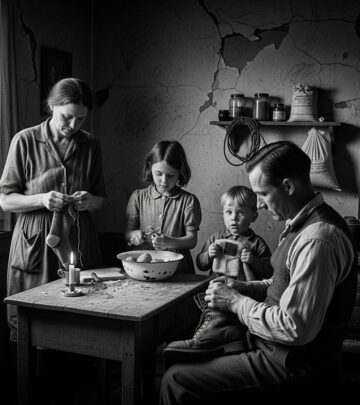
Great Depression Money Hacks: Practical Tips For 2025
Discover timeless frugal living tips from the Great Depression era to stretch your budget and live smarter today.

During the Great Depression of the 1930s, Americans faced unprecedented economic hardship, with unemployment reaching 25% and families struggling to make ends meet. Yet, from this era of scarcity emerged ingenious money-saving strategies that emphasized resourcefulness, creativity, and community. These Great Depression money hacks remain relevant today, offering practical ways to cut costs, minimize waste, and live frugally without sacrificing quality of life. By adopting these timeless tips—from cooking from scratch and mending clothes to bartering skills and growing your own food—you can stretch your budget further in an era of rising inflation and economic uncertainty.
This article dives into the core hacks popularized during that time, drawing lessons from historical accounts and modern adaptations. Whether you’re battling debt, aiming for financial independence, or simply want to save more, these strategies provide a blueprint for intentional living.
Cook from Scratch: Homemade is Cheaper (and Healthier)
Pre-packaged foods were a rarity during the Depression; families relied on basic staples like flour, beans, rice, and vegetables to create nourishing meals. Cooking from scratch not only slashed grocery bills but also ensured healthier eating by avoiding preservatives and additives.
Today, this hack can save hundreds annually. Instead of convenience meals costing $5–10 each, prepare soups, stews, or breads using pantry essentials. For example, a pot of bean soup made with dried beans, onions, and herbs feeds a family for under $2. Stock up on bulk grains and learn simple recipes—your wallet and health will thank you.
- Start small: Master one-pot meals like chili or vegetable stir-fry.
- Batch cook: Double recipes and freeze portions for later.
- Season creatively: Use herbs from your kitchen or garden instead of expensive sauces.
Mend and Repurpose Clothes
“Use it up, wear it out, make it do, or do without” was a guiding motto of the era. Mending clothes extended their life, preventing unnecessary purchases. Basic sewing skills allowed families to patch holes, replace buttons, or turn worn pants into shorts.
Invest in a $10 sewing kit and watch savings accumulate. Old sheets became cleaning rags, outperforming disposable paper towels in durability and eco-friendliness. Repurpose jeans into tote bags or aprons—creativity turns trash into treasure.
| Item to Repurpose | New Use | Savings Estimate |
|---|---|---|
| Old T-shirts | Rags or quilts | $50/year on paper towels |
| Worn jeans | Bags or patches | $20–50 per garment |
| Socks with holes | Dust cloths | $10–15/year |
Start a Garden and Preserve the Harvest
Victory gardens weren’t just wartime; Depression families grew their own produce to combat food shortages. Even urban dwellers planted tomatoes, lettuce, and herbs in pots or backyards, yielding fresh food for pennies.
Initial setup costs $20–50 but pays off quickly. A small plot can produce $200+ in savings yearly. Learn to can, pickle, or freeze excess for year-round use. Sprout seeds in jars for nutrient-packed salad toppers—all from a $5 seed packet.
- Easy starters: Herbs like basil, cherry tomatoes, radishes.
- Preservation tips: Water-bath canning for jams; freezing beans.
- Forage safely: Identify dandelions or berries for free wild edibles.
Barter, Trade Skills, and Swap Items
Cash was king but scarce, so bartering flourished. Neighbors traded eggs for haircuts, sewing for baked goods, or skills for services. This cash-free economy built community while saving money.
Join local Facebook groups or apps for swaps. Offer your photography skills for lawn mowing, or host clothing swaps. It’s social, sustainable, and slashes expenses—many report 20–50% savings on services.
Cut Utility Costs
Electricity and water weren’t luxuries; conservation was necessity. Line-drying clothes saved on dryers, shorter showers conserved water, and unplugging “vampire” electronics curbed phantom power draw.
Modern estimates: Line-drying saves $80/year per household; unplugging cuts $100–200 in bills. Collect rainwater for plants and fix leaks promptly.
- Shorter showers: 5 minutes = 25 gallons saved daily.
- LED bulbs: 75% energy reduction.
- Insulate windows: Reduces heating costs 10–20%.
Embrace Meatless Meals and Stretch What You Have
Meat was pricey, so vegetable-heavy meals dominated. Bean casseroles, potato soups, and meat stretched with fillers like rice or bread fed more mouths affordably.
Go meatless twice weekly to save $500/year. Add beans to tacos or lentils to pasta. Use hand towels over paper products; Tupperware beats bags.
Make Your Own Cleaners and Essentials
Store-bought cleaners were unheard of; vinegar, baking soda, and soap sufficed. Recipes like vinegar-water glass cleaner cost pennies versus $5 bottles.
DIY laundry soap: Borax, washing soda, soap shavings—$0.05/load. Brew coffee from grounds or chicory for cafe savings.
Build a Community and Mindful Spending
Depression survivors leaned on networks: Shared gardens, bulk buys, emotional support. Ask: “Do I need it? Can I make/DIY it? Cheaper alternative?”
Implement spending freezes on non-essentials; sell unused items. Libraries offered free entertainment.
Frequently Asked Questions (FAQs)
Q: How much can gardening really save?
A: A modest garden yields $200–600 in annual savings, per USDA estimates, covering seeds in months.
Q: Is bartering legal today?
A: Yes, for non-commercial swaps; track value for taxes if scaling up.
Q: What’s the easiest meal-stretching tip?
A: Add beans or rice to any dish—doubles portions cheaply.
Q: Can these hacks work in apartments?
A: Absolutely—container gardens, indoor sprouting, and skill trades thrive in small spaces.
Q: How to start sewing without experience?
A: Free YouTube tutorials; begin with hems and buttons using a basic kit.
These Great Depression money hacks prove resilience beats resources. Implement one weekly for compounding savings and a simpler life.
References
- Frugal living tips from the Great Depression — Living on the Cheap. 2023. https://livingonthecheap.com/frugal-living-tips-from-the-great-depression/
- Frugal Living Tips From The Great Depression — Sweet Frugal Life. 2023. https://sweetfrugallife.com/frugal-tips-great-depression/
- Grandpa’s Frugal Living Tips from the Great Depression — Big House in the Woods. 2023. https://bighouseinthewoods.com/frugal-living-tips-from-the-great-depression/
- Save Money and Live Frugally (Tips from the Great Depression) — Melissa K Norris. 2023. https://melissaknorris.com/16-ways-from-1913-to-save-money-live-frugally/
- 50 Great Depression Frugal Living Tips to Try Today — YouTube (Prepper Princess). 2023-10-15. https://www.youtube.com/watch?v=zasf_cwDxV4
Similar Articles








Read full bio of Sneha Tete