Grace Periods Explained: Essential Guide To Avoid Interest
Unlock the power of grace periods to manage payments smarter and avoid unnecessary fees on credit cards, loans, and utilities.
Grace periods provide a crucial buffer in financial products, allowing consumers to make payments without immediate penalties or interest accrual. These windows vary by product type but generally offer 21 to 30 days to settle balances after a billing cycle ends.
Understanding Grace Periods in Everyday Finance
A grace period represents the timeframe between the close of a billing cycle and the payment due date during which no interest or late fees apply to eligible transactions. This mechanism benefits users by extending interest-free borrowing on purchases, provided prior balances are cleared in full. Federal regulations, such as the Credit CARD Act of 2009, mandate at least 21 days for credit card statements before due dates, ensuring a baseline protection.
For most credit cards, this period aligns with the end of one billing cycle through the next due date, typically spanning 21 to 25 days, though some extend to 30 days or more. Issuers like Chase and Citi emphasize that paying the full statement balance renews this benefit monthly, creating an ongoing interest-free cycle.
Credit Card Grace Periods: The Core Mechanics
Credit card grace periods primarily apply to new purchases, excluding cash advances or balance transfers. They activate when the previous cycle’s balance is paid entirely by its due date. From the purchase date through the billing cycle end, plus the subsequent grace window to the due date, users enjoy no interest.
Consider a scenario: A purchase made on day 1 of a 28-day billing cycle ending on day 28 provides up to 56 days interest-free if paid by the due date 25 days later—nearly two months. However, partial payments or carryover balances trigger immediate interest from each purchase date, eliminating the grace period.
| Issuer Example | Typical Grace Length | Key Condition |
|---|---|---|
| Chase | 21-25 days | Full prior balance paid |
| Citi | ~30 days | No carryover balance |
| Capital One | At least 21 days | Applies to purchases only |
This table illustrates variations among major issuers, highlighting the need to review personal card agreements.
Mortgage and Loan Grace Periods
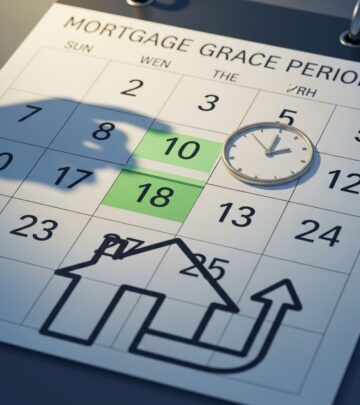
Beyond credit cards, grace periods appear in mortgages as a leniency for late payments, often 15 days past the due date before late fees apply. Unlike credit cards, these do not waive interest but delay penalties. For example, a mortgage due on the 1st might allow payment by the 16th without fees, though interest accrues daily from day one.
Auto loans and personal loans sometimes offer similar 10-15 day windows. These protect against immediate default notices but underscore the importance of timely payments to preserve credit health. Always confirm terms in loan documents, as grace periods here focus on fee avoidance rather than interest deferral.
Utility and Rent Grace Periods
Utilities like electricity or water bills commonly provide 5-20 day grace periods post-due date before service disconnection or fees. Local regulations often mandate these, varying by provider and region. Rental agreements might include 3-5 day graces before eviction proceedings, though late fees typically apply sooner.
These shorter periods emphasize proactive payment planning. Setting up autopay or reminders ensures utilization without risking service interruptions.
How Billing Cycles Influence Grace Periods
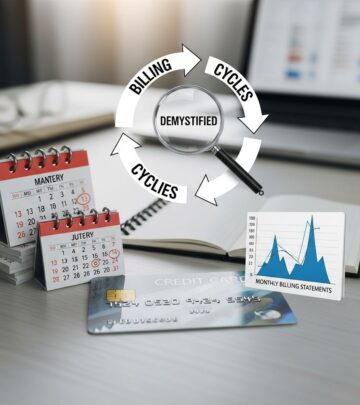
Billing cycles, usually 28-31 days, determine when transactions post to statements. Purchases near cycle end maximize grace time: buying just after one cycle closes could yield full cycle length plus grace days interest-free. Track your cycle via online portals or statements to optimize large purchases.
- Cycle End Date: Statement generation point.
- Due Date: Minimum 21 days later per law.
- Grace Window: Interest-free payoff period.
Apps from issuers like Capital One display these dates clearly, aiding cash flow management.
Maintaining Your Grace Period: Best Practices
To sustain grace benefits indefinitely:
- Pay full statement balances monthly, not minimums.
- Monitor for balance carryovers that forfeit future graces.
- Avoid cash advances, which accrue interest immediately.
- Review statements promptly for errors or unauthorized charges.
Automation tools, such as payment alerts, prevent oversights. For those with variable incomes, align payments with paydays within the grace window.
Common Mistakes That Eliminate Grace Periods
Even diligent users can lose graces through pitfalls:
- Partial Payments: Trigger daily interest on all balances.
- Missed Due Dates: Not only end grace but add fees and hurt credit scores.
- New Balances During Grace: Purchases in the grace month may interest-charge if prior balance exists.
Promotional periods, like 0% APR offers, may alter rules—read fine print.
Impact on Credit Scores and Long-Term Finances
Leveraging graces properly avoids interest (often 15-25% APR) and late fees ($30-40), saving hundreds yearly. Consistent full payments boost credit utilization ratios under 30%, enhancing scores. Conversely, losing graces via carries signals risk to lenders, raising future rates.
Over time, grace mastery supports debt-free card use, freeing funds for savings or investments.
Frequently Asked Questions (FAQs)
What is the minimum grace period for credit cards?
Federal law requires at least 21 days between statement generation and due date.
Do all credit cards have grace periods?
Most do if prior balances are paid in full; some charge interest daily regardless.
Can I get a grace period on cash advances?
No, these typically accrue interest from transaction date.
How do I find my grace period length?
Check your cardholder agreement or contact the issuer.
What happens if I pay late during grace?
You lose the next cycle’s grace and face fees/interest.
Strategies for Maximizing Grace Period Benefits
Advanced users time expenses strategically:
- Purchase big-ticket items post-cycle close for longest float.
- Use multiple cards with staggered cycles for extended coverage.
- Combine with rewards programs for cashback during grace windows.
For businesses, fleet cards often mirror consumer graces—scale these tactics accordingly.
In summary, grace periods are powerful tools for interest avoidance when managed well. Regular reviews of terms and disciplined payments unlock their full potential across financial products.
References
- What is a Grace Period on a Credit Card — Chase. Accessed 2026. https://www.chase.com/personal/credit-cards/education/basics/what-is-a-credit-card-grace-period
- Understanding Credit Card Grace Periods — Citi. Accessed 2026. https://www.citi.com/credit-cards/understanding-credit-cards/credit-card-grace-period
- How Credit Card Grace Periods Work — NerdWallet. Accessed 2026. https://www.nerdwallet.com/credit-cards/learn/credit-card-grace-period
- A Guide to Credit Card Grace Periods — SoFi. Accessed 2026. https://www.sofi.com/learn/content/credit-card-grace-period/
- How To Use Your Grace Period To Avoid Paying Interest — Bankrate. Accessed 2026. https://www.bankrate.com/credit-cards/zero-interest/how-to-use-grace-period-to-avoid-paying-interest/
- What Is a Grace Period on a Credit Card? — Capital One. Accessed 2026. https://www.capitalone.com/learn-grow/money-management/credit-card-grace-period/
- What Is a Grace Period? — Experian. Accessed 2026. https://www.experian.com/blogs/ask-experian/what-is-a-grace-period/
Similar Articles








Read full bio of Sneha Tete