Government Home Repair Grants Guide
Discover federal, state, and local grants to fund essential home repairs without repayment for eligible low-income homeowners.
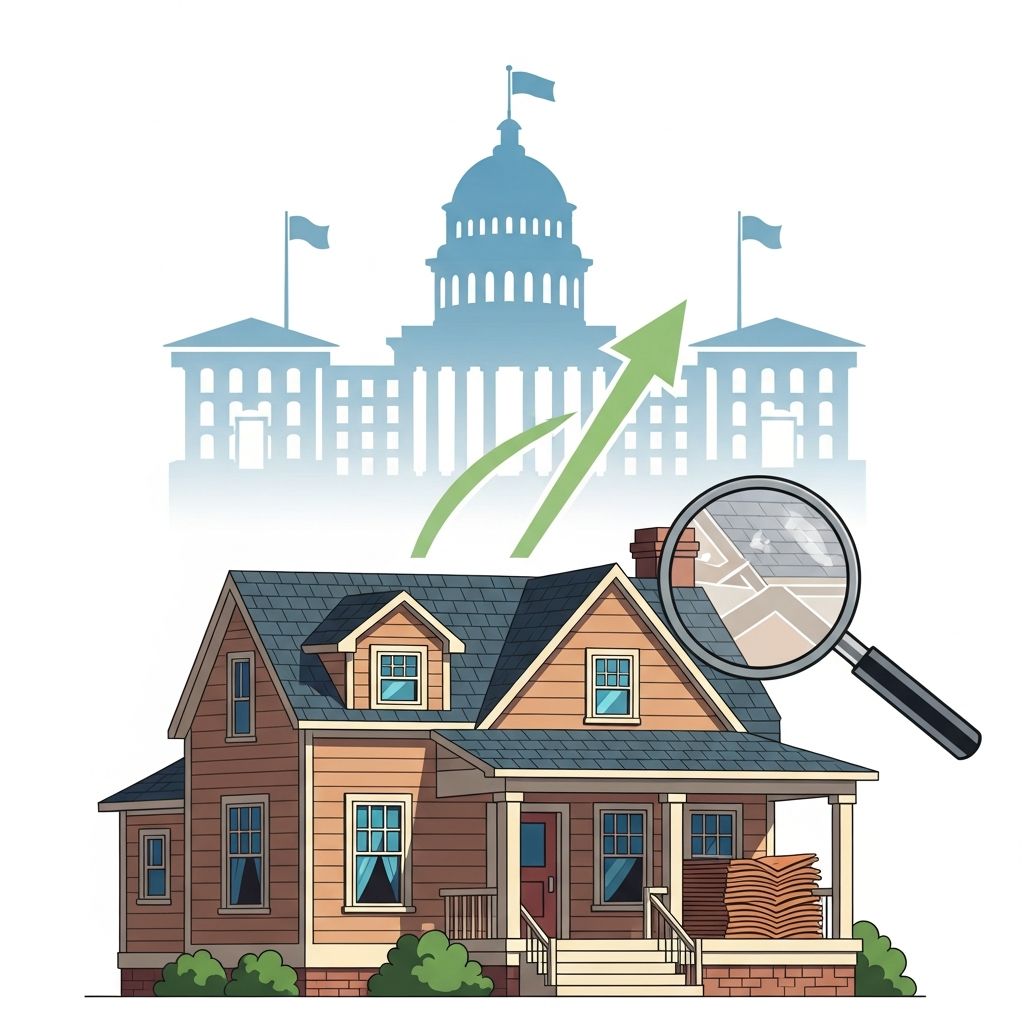
Essential home repairs can strain finances, but government grants provide non-repayable funds for low-income homeowners to address safety hazards, boost energy efficiency, and enhance accessibility. These programs target specific groups like seniors, veterans, and rural residents, offering aid from $7,500 to $121,812 depending on the initiative.
Why Pursue Government Funding for Home Upgrades?
Home maintenance prevents minor issues from escalating into costly disasters. Government grants prioritize health and safety repairs, such as fixing leaky roofs, unstable foundations, or faulty septic systems, ensuring safe living conditions without debt. Unlike loans, these funds require no repayment, making them ideal for those with limited budgets.
Programs focus on equity-building in underserved areas, supporting community stability by helping owners retain properties. In 2026, funding emphasizes resilient retrofits and targeted aid in disinvested neighborhoods. Qualifying repairs often include structural fixes, accessibility ramps, insulation upgrades, and hazard removal like lead paint or mold.
Core Eligibility Criteria Across Programs
Most grants share baseline requirements to ensure aid reaches those in need. Homeowners must typically demonstrate financial hardship through income verification.
- Income Thresholds: At or below 80% of Area Median Income (AMI), adjusted for household size and location. Some extend to 200% of federal poverty levels.
- Ownership Proof: Deed or mortgage documents confirming primary residence status; rentals and vacation homes excluded.
- Property Restrictions: Single-family homes, condos, or manufactured units in eligible zones like rural areas or disaster-declared regions.
- Repair Focus: Essential fixes only—no cosmetic changes like painting or landscaping.
- Special Status: Priority for seniors (62+), veterans with disabilities, Native Americans, or disaster victims.
| Factor | Common Limit | Impact on Applicants |
|---|---|---|
| Income | <80% AMI | Varies by county; check HUD tools |
| Home Type | Owner-occupied primary | Excludes investments |
| Location | Rural or targeted urban | Use USDA eligibility map |
| Age/Status | 62+ or veteran | Unlocks higher amounts |
Federal Programs Leading the Way
Federal initiatives form the backbone of national home repair support, accessible via agencies like USDA and VA.
USDA Section 504 Home Repair Loans and Grants
This flagship program aids very-low-income rural homeowners. Grants up to $10,000 (or $15,000 in disaster areas) target seniors 62+ for health/safety removals, while loans up to $40,000 at 1% interest serve all ages. Combine for up to $50,000 total.
Funds cover insulation, foundations, septic repairs, energy efficiency, and accessibility features. Apply via local USDA Rural Development offices after confirming rural eligibility online.
VA Grants for Disabled Veterans
Veterans with service-connected disabilities access substantial aid. The Specially Adapted Housing (SAH) Grant offers $121,812 for adaptations like ramps or widened doors. Special Home Adaptation (SHA) provides $24,405, and Temporary Residence Adaptation up to $49,062 for family homes.
Eligibility requires VA-rated permanent disabilities affecting mobility. Use funds for buying, building, or modifying homes to meet adaptive needs.
Weatherization Assistance and Native American Aid
The Weatherization Assistance Program delivers free energy upgrades for households at 200% poverty level, including insulation and sealing. The Native American Housing Improvement Program (HIP) grants $7,500 for safety fixes or $60,000 for code compliance in tribal areas.
State and Local Opportunities
States supplement federal aid with tailored programs, often with higher limits in high-cost areas.
New York Examples: T-HIP and AHC
New York’s Targeted Home Improvement Program (T-HIP) pilots up to $40,000 grants for 1-4 unit homes below 80% AMI, focusing on code violations, mold, lead, and structural issues in disinvested communities. No pre-approval work reimbursements.
The Affordable Housing Corporation (AHC) serves 100-166% AMI households with up to $75,000 via local sponsors for major rehabs. NYC’s HomeFix and Basic Systems Repair add urban options up to $35,000-$150,000.
Other State Highlights
- California CalHOME: Rehab aid for first-time buyers and owners.
- Chicago Residential Rehab: Up to $35,000 for owner-occupied fixes.
- Texas Bootstrap: Loans requiring owner labor for rural low-income.
- NYS Resilient Retrofits: $50,000 hybrid grant/loan for low-middle income weatherproofing.
Step-by-Step Application Process
Navigating applications demands preparation. Start early, as processing takes 4-12 weeks.
- Assess Eligibility: Use USA.gov or USDA maps to verify income/location[10].
- Gather Documents: Income proof (taxes, paystubs), deed, photos of issues, contractor bids.
- Contact Local Agency: Rural Development offices, VA regional centers, or state housing departments.
- Submit Application: Include needs assessment; some require inspections.
- Await Approval: Funds disbursed directly to contractors post-verification.
Avoid starting work pre-approval to prevent denial. Partner with nonprofits for guidance[10].
Permitted Uses and Restrictions
Grants enforce strict scopes to maximize impact.
- Allowed: Safety (roof, electrical), accessibility (ramps, grab bars), energy (insulation, windows), hazards (lead, mold).
- Prohibited: Luxury additions, non-essential cosmetics.
Inspections ensure compliance; misuse risks repayment.
Frequently Asked Questions
Can I combine multiple grants?
Yes, programs like USDA allow stacking loans/grants; check conflicts.
Are grants available for urban homeowners?
Limited federally, but states like NY offer urban pilots like T-HIP.
What if my income is slightly above limits?
Seek moderate-income programs like AHC or local rehab loans.
How do I find my AMI?
HUD’s portal provides county-specific charts.
Do veterans need 100% disability?
No, specific service-connected ratings qualify.
Maximize Your Chances of Approval
Document urgency with photos and quotes. Demonstrate inability to secure private credit. Engage community agencies for advocacy. Track 2026 funding via USA.gov for new rounds[10]. These grants preserve homes and equity, fostering long-term stability.
References
- Home Improvement Grants 2026: Who Qualifies & How to Apply — MyRainPlan. 2026. https://myrainplan.com/blog/government-home-improvement-grant-programs/
- Home improvement grants to fund repairs — Rocket Mortgage. 2026. https://www.rocketmortgage.com/learn/home-improvement-grants
- New York Home Repair Grants 2026: T-HIP, AHC & HomeFix Guide — Housing Grants Finder. 2026. https://housinggrantsfinder.com/new-york-home-repair-grants/
- Single Family Housing Repair Loans & Grants — USDA Rural Development. 2026-03-01. https://www.rd.usda.gov/programs-services/single-family-housing-programs/single-family-housing-repair-loans-grants
- Targeted Home Improvement Program — NYS HCR. 2026. https://hcr.ny.gov/T-HIP
- Government home repair assistance programs — USAGov. 2026. https://www.usa.gov/home-repair-programs
Similar Articles








Read full bio of Sneha Tete