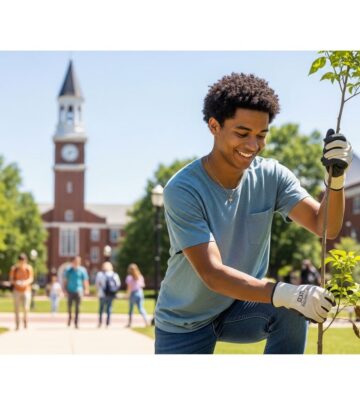
13 Good Places to Volunteer – Opportunities & Organizations
Discover top volunteer opportunities and organizations where you can make a meaningful impact in your community.

Volunteering your time and talents is one of the most rewarding ways to contribute to your community. Whether you have a few hours each month or substantial time to dedicate, there are countless organizations desperately seeking volunteers who share their passion for creating positive change. The beauty of volunteering lies in its accessibility—no matter your skills, interests, or schedule, you can find an opportunity that aligns perfectly with your values.
Every individual brings a unique combination of interests, skills, and scheduling flexibility to volunteer work. The opportunities that suit one person may not work for another, but the world contains an abundance of deserving organizations ready to welcome your efforts. From local institutions to national nonprofits, countless ways exist to give back without compromising your personal ethics or values.
Why Volunteering Matters
Volunteering transcends simple altruism—it creates tangible, measurable impacts on communities and organizations. Many nonprofits operate on shoestring budgets and depend heavily on volunteers to expand their services and reach. When you volunteer, you’re not just donating time; you’re providing organizations with resources they couldn’t otherwise afford to purchase. Time truly is money, particularly for charities struggling to provide essential services with limited financial resources.
Beyond the organizational impact, volunteering strengthens the nonprofit sector’s ability to sustain itself. Volunteers are significantly more likely to become donors than non-volunteers, creating a virtuous cycle of support that helps organizations weather economic challenges and maintain service delivery during uncertain times.
Finding Your Perfect Volunteer Opportunity
The key to successful volunteering begins with understanding your own motivations, availability, and skills. Consider what causes resonate with you most deeply. Are you passionate about education, environmental protection, social justice, or community development? Once you identify your values, finding matching opportunities becomes significantly easier. The following opportunities represent just a sampling of the countless ways you can contribute to causes that matter to you.
1. Your Local Public Library
Public library systems throughout the country desperately need volunteers, and the opportunities extend far beyond shelving books. Many libraries, including major systems like LA County Library—one of America’s largest—offer diverse volunteer roles that leverage different skill sets and interests.
Common library volunteer opportunities include:
– Cleaning and organizing library materials and displays- Assisting with children’s programming, including story times and educational sessions- Providing technical support to library patrons learning to use computers and digital resources- Fundraising for library programming and community initiatives- Helping with literacy programs for adult learners
To explore opportunities at your local library, visit your public library system’s website or inquire directly at your nearest branch. Library staff can discuss which roles match your skills and availability.
2. Your Local Parks and Recreation Department
Parks and recreation departments manage vital community spaces and programming that enhance quality of life for residents of all ages. These departments frequently seek volunteers to help maintain facilities, lead programs, and organize community events. Whether you’re interested in environmental stewardship, youth engagement, or recreational programming, parks departments typically have opportunities available year-round and seasonally.
3. Your Local Community Center
Most municipalities with reasonable size maintain at least one centrally located community center, with larger cities often operating multiple facilities. Some centers specialize in serving particular demographics, such as youth centers for younger residents or senior centers for older adults. Regardless of specialization, community center networks typically overflow with service opportunities.
Organizations like Chicago Youth Centers invite volunteers to provide direct support to youth populations, facilitate programming, and help create safe, welcoming environments. Your local community center can tell you about available positions that match your interests and schedule.
4. Local Faith-Based Organizations
Churches, temples, mosques, synagogues, and other faith communities often coordinate extensive volunteer initiatives. These may include soup kitchens, homeless shelters, food pantries, youth mentorship programs, and community outreach efforts. Faith-based organizations welcome volunteers regardless of personal religious beliefs, focusing instead on shared commitment to serving others and strengthening community bonds.
5. Schools and Educational Programs
Schools represent another excellent volunteer opportunity, particularly for those passionate about education and youth development. Teachers can offer tutoring services to students in underserved neighborhoods, providing individualized support that makes measurable differences in academic outcomes. Other volunteers might assist with classroom activities, mentor struggling students, support special education programs, or help organize school events and fundraisers.
6. Homeless Shelters and Housing Organizations
Organizations addressing homelessness and housing insecurity constantly need volunteers to provide direct services. Whether it’s serving meals at soup kitchens, organizing donated clothing and supplies, or providing companionship and support to residents, these organizations create tangible improvements in vulnerable individuals’ lives. Your time spent helping could literally be life-changing for someone experiencing homelessness.
7. Food Banks and Community Food Programs
Food banks play crucial roles in addressing food insecurity within communities. Organizations like the Atlanta Community Food Bank invite volunteers to:
– Inspect and package food donations for distribution- Supervise and restock open-to-the-public food shelves- Participate in community gardening projects that increase local food production- Serve as liaisons with partner agencies distributing donated food
Many food bank positions involve physical work, so be prepared for potentially demanding labor. The Atlanta Community Food Bank, for example, notes that volunteers should be capable of lifting loads up to 40 pounds. However, these physically engaging roles often provide the most direct impact, allowing you to see immediate results from your efforts.
8. Disaster Relief Organizations
Natural disasters and human-caused catastrophes create urgent humanitarian needs. If you want to do more than send modest financial donations to organizations like the Red Cross, UNHCR, or Doctors Without Borders, consider becoming a disaster relief volunteer. These organizations train and deploy volunteers for emergency response, recovery operations, and long-term rebuilding efforts. Disaster volunteering offers an intensely meaningful way to help people during their most vulnerable moments.
9. Human and Civil Rights Organizations
This broad category encompasses organizations dedicated to uplifting historically disadvantaged populations, including:
– Immigrants and refugees resettling in your community- LGBTQ+ individuals navigating discrimination and seeking support services- Members of racial and ethnic minority groups experiencing systemic barriers- Individuals struggling with addiction and chronic diseases- People who cannot afford legal representation or advocacy
Organizations in this sector offer tremendous variety in volunteer roles, from direct service provision to administrative support to advocacy work. Many seek professionals—lawyers, healthcare providers, counselors—willing to donate expertise, though these organizations also welcome volunteers without specialized credentials.
10. Political Organizations and Advocacy Groups
For those passionate about specific issues or political candidates, volunteering provides an excellent avenue for living your values. This category includes:
– Political candidates and elected officials seeking campaign support- Political action committees and issue-driven nonprofits, such as environmental justice groups- Community advocacy organizations focused on neighborhood beautification or crime prevention- Local political organizations including neighborhood associations and homeowners boards
However, exercise appropriate diligence when vetting political organizations. Research how groups spend funds they raise—some organizations unfortunately direct most revenue back into fundraising activities or executive compensation rather than mission work. Focus on organizations demonstrating transparent financials and genuine commitment to their stated causes.
11. Museums and Cultural Institutions
Museums, art centers, theaters, concert halls, and other cultural venues rely substantially on volunteer labor to operate. Common volunteer roles include:
– Selling admission tickets and managing visitor flow- Serving food and beverages at concessions- Helping patrons navigate venues and find their destinations- Leading tours and providing educational programming
Volunteers possessing relevant credentials or experience—teachers, trained artists, subject matter experts—can pursue higher-value roles such as conducting seminars, guiding specialized tours, or designing educational programming. Community theaters and smaller cultural organizations particularly depend on volunteers to fill paid positions elsewhere, including set design, lighting, sound engineering, and videography.
12. Environmental and Conservation Organizations
For environmentally conscious volunteers, conservation organizations offer meaningful opportunities to protect natural spaces and wildlife. Roles might include habitat restoration, trail maintenance, environmental education, water quality monitoring, and wildlife surveys. These opportunities connect you with nature while creating measurable environmental benefits.
13. Business and Professional Service Organizations
Many nonprofits operate on shoestring budgets yet require professional services like accounting, marketing, human resources management, and legal counsel. Accountants can volunteer expertise helping organizations manage financial statements and budgets. Marketing professionals can develop campaigns and social media strategies. Lawyers can provide pro bono legal assistance. Human resources professionals can advise on employment practices and hiring. Donating professional skills often provides nonprofits greater value than financial donations while allowing you to use your expertise meaningfully.
Finding Volunteer Opportunities in Your Community
Modern technology makes discovering volunteer opportunities easier than ever. Most organizations maintain websites listing current volunteer positions and requirements. Websites like VolunteerMatch.com, JustServe.org, and AARP provide searchable databases of opportunities across your region. For smaller organizations without substantial marketing infrastructure, such as community theaters and grassroots groups, personal networking proves invaluable—ask friends and colleagues involved in your community’s local scene about under-the-radar opportunities.
Maximizing Your Volunteer Impact
To ensure your volunteering creates maximum benefit, consider these strategies:
– Match your skills and interests with organizational needs- Commit to consistent, reliable service rather than sporadic involvement- Ask questions about how your work contributes to organizational mission- Seek feedback and opportunities to expand your responsibilities- Consider volunteering your professional expertise, not just general labor- Share your experience on social media and with friends to raise organizational awareness
Even if you cannot donate money, volunteering your time creates tremendous value. If you lack specialized skills an organization needs, you can serve as an ambassador—sharing their mission through social media, blogging, or word-of-mouth advocacy. This role, while less visible than direct service, multiplies organizational reach and impact. When you volunteer, you become part of something larger than yourself, often building meaningful friendships and community connections alongside the satisfaction of helping others.
Frequently Asked Questions
Q: How do I find volunteer opportunities that match my interests?
A: Start by identifying causes you care about, then search online volunteer databases like VolunteerMatch.com or JustServe.org. Visit local organization websites directly or speak with community leaders. Consider your schedule, physical capabilities, and skills when selecting opportunities.
Q: Can I volunteer if I don’t have specialized skills?
A: Absolutely. Many organizations need help with general tasks like event setup, food sorting, or clerical work. Your willingness to help matters more than specific credentials. If you do have professional expertise, even better—nonprofits particularly value skilled volunteers.
Q: How much time commitment is typically required?
A: Commitments vary widely by organization. Some need just a few hours monthly, while others prefer weekly involvement. Discuss scheduling flexibility during your interview process—many organizations work with volunteers’ availability constraints.
Q: Should I be concerned about court-ordered community service?
A: Court-mandated community service is legitimate and common. Rather than viewing it negatively, embrace the opportunity to reap volunteering’s many benefits while fulfilling legal obligations. Use the experience as a chance to discover meaningful service and potentially build a volunteer habit.
Q: Can volunteering lead to paid employment?
A: Yes. Volunteering demonstrates your work ethic and commitment while providing networking opportunities. Many organizations hire volunteers they already know and trust into paid positions. Additionally, volunteer experience strengthens job applications across various sectors.
References
- Good Places to Volunteer – Opportunities & Organizations — Money Crashers. Accessed 2025-11-29. https://www.moneycrashers.com/good-places-volunteer-opportunities-organizations/
- How You Can Give Back When You Can’t Afford Cash Donations — The Life You Can Save. Accessed 2025-11-29. https://www.thelifeyoucansave.org/blog/how-you-can-give-back-when-you-cant-afford-cash-donations/
- The Volunteer Asset in an Uncertain Economy — New Yorkers Volunteer. Authored by Jill Friedman Fixler and Jennifer Rackow. Accessed 2025-11-29. https://newyorkersvolunteer.ny.gov/volunteer-asset-uncertain-economy
- A Guide to Investing in Volunteer Resources Management: Improve Your Philanthropic Portfolio — Ellis Archive. 2019-08-06. https://www.ellisarchive.org/sites/default/files/2019-08/Document_20190806_0003_2.pdf
- Giving – Money Crashers — Money Crashers. Accessed 2025-11-29. https://www.moneycrashers.com/manage-money/giving/
Similar Articles








Read full bio of Sneha Tete