Good Debt Vs Bad Debt: 5 Smart Ways To Avoid High-Interest Debt
Understand the difference between good debt that builds wealth and bad debt that drains your finances for smarter borrowing decisions.
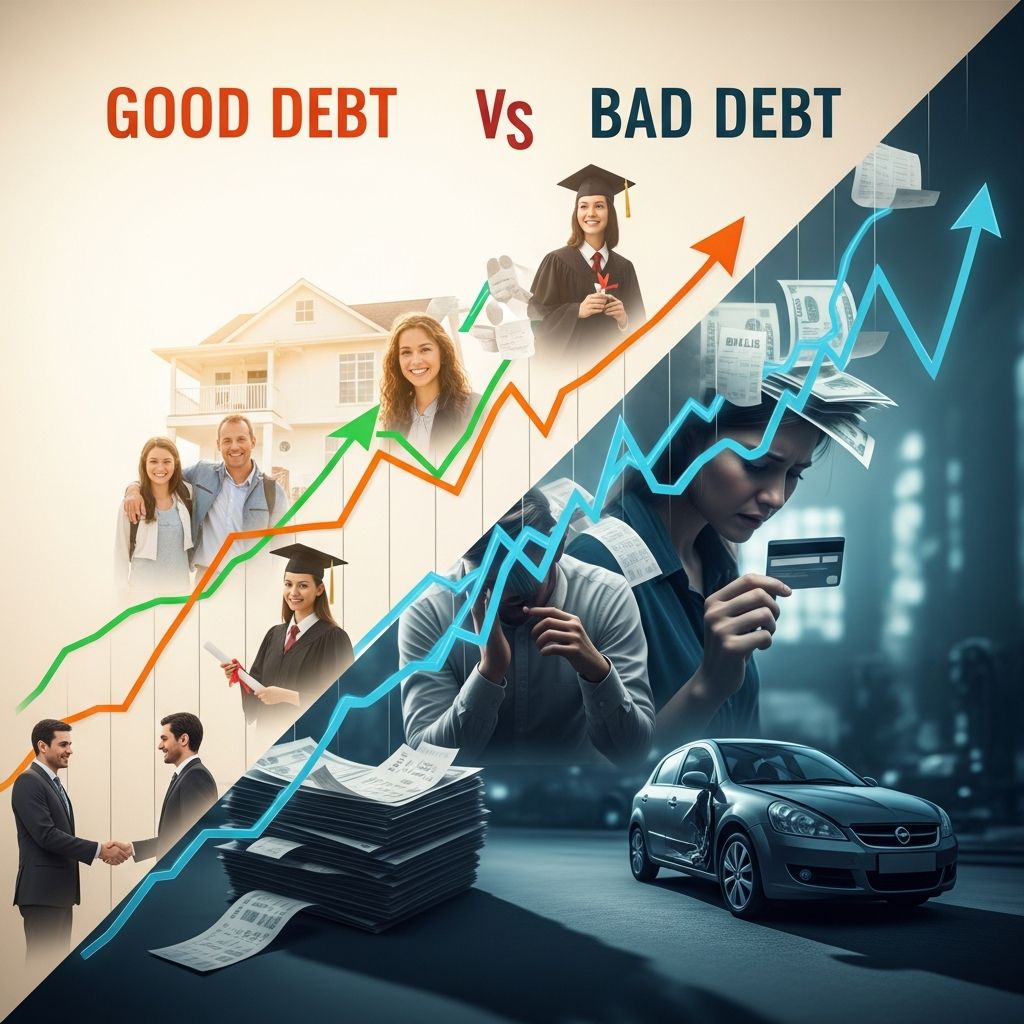
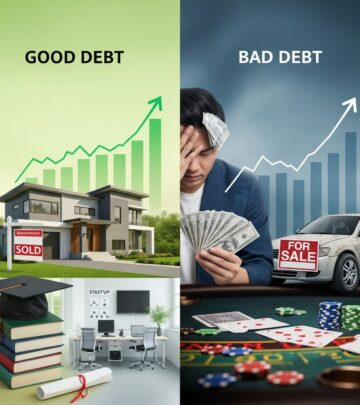
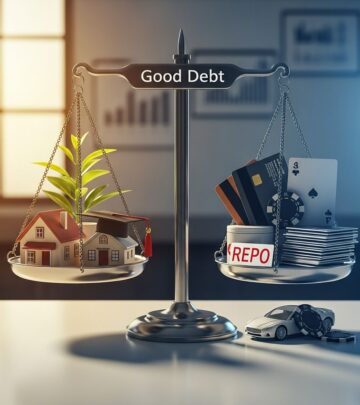
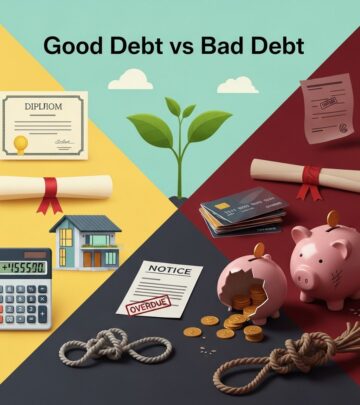
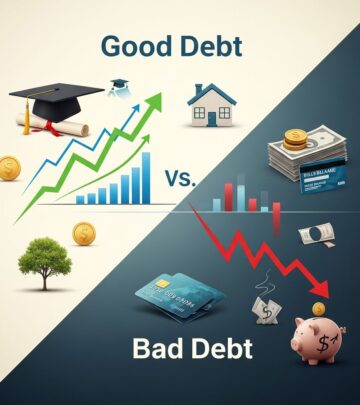
Not all debt is created equal. While many view debt as inherently negative, distinguishing between good debt and bad debt is crucial for financial success. Good debt can build wealth and improve your credit, whereas bad debt can lead to financial strain and poor credit scores. This article explores the definitions, examples, and strategies to manage both effectively.
What Is Good Debt?
Good debt is borrowing that helps increase your net worth, generates future income, or provides long-term value. It typically features low interest rates, often under 6% APR, and contributes positively to your credit profile when repaid responsibly. A favorable payment history on good debt can boost your credit score by demonstrating responsible management of various debt types.
Key characteristics of good debt include:
- Invests in appreciating assets or future earning potential.
- Offers tax advantages, such as deductible interest.
- Builds equity over time.
- Enhances financial stability and opportunities.
Examples of Good Debt
Several common types of debt fall into the good category when used wisely.
Mortgages
A mortgage allows you to purchase a home, providing housing stability and building equity as you pay down the principal. Homeownership is a proven wealth-building strategy, as property often appreciates over time. Mortgages typically have lower interest rates compared to unsecured loans, making them manageable for long-term repayment.
Student Loans
Student loans finance education, which can lead to higher earning potential. College graduates earn about $613 more per week than high school graduates, according to U.S. Bureau of Labor Statistics data, potentially doubling lifetime earnings. Many student loans offer low rates and tax-deductible interest, but they become problematic if excessive or mismanaged.
Auto Loans (for Essential Vehicles)
An auto loan for a reliable car needed for work can be good debt, especially at low interest rates for those with strong credit. It maintains income flow by ensuring transportation reliability without depleting savings on a cash purchase.
| Type | Benefits | Typical APR | Long-term Impact |
|---|---|---|---|
| Mortgage | Builds equity, appreciates | 3-6% | Wealth growth |
| Student Loan | Increases income potential | 4-7% | Career advancement |
| Auto Loan | Essential transport | 4-6% | Income stability |
What Is Bad Debt?
Bad debt finances purchases that do not appreciate, depreciate quickly, or fail to generate returns. It often carries high interest rates, leading to prolonged repayment and financial burden. High utilization of available credit from bad debt negatively impacts credit scores.
Characteristics include:
- Funds depreciating or consumable items.
- High interest rates, often above 15%.
- No equity buildup or income generation.
- Leads to a cycle of borrowing if unpaid.
Examples of Bad Debt
Credit Card Debt
Credit cards, with average rates exceeding 20%, become bad debt when balances are carried month-to-month. Interest accrues rapidly on purchases like vacations or gadgets that lose value immediately.
Payday and High-Interest Loans
These short-term loans have exorbitant rates, often 400% APR or more, trapping borrowers in debt cycles. They rarely fund investments and exacerbate financial distress.
Non-Essential Auto Loans
Loans for luxury cars, boats, or second vehicles strain budgets without providing proportional value, especially at higher rates.
| Type | Risks | Typical APR | Long-term Impact |
|---|---|---|---|
| Credit Cards | High interest, no asset | 15-25% | Credit damage |
| Payday Loans | Debt cycle | 300%+ | Financial ruin |
| Luxury Auto | Depreciates fast | 6-10% | Budget strain |
Gray Area Debt: Neither Strictly Good Nor Bad
Some debt falls in between, depending on usage and terms. Credit cards paid in full monthly avoid interest and can build credit positively. Buy-now-pay-later (BNPL) plans are interest-free if managed well but risky if overused. Vehicle loans for non-essential cars or at high rates lean bad.
- Paid-off Credit Cards: Builds credit history without cost.
- 0% Intro APR Offers: Useful for planned purchases if paid timely.
- BNPL: Convenient for small buys, but multiple plans can lead to overspending.
Impact on Credit Scores
Responsible repayment of good debt positively affects credit scores via payment history (35% of FICO score) and credit mix. Bad debt harms through high utilization (30%) and delinquencies. Equifax notes that a mix of installment and revolving debt, handled well, signals creditworthiness.
How to Avoid Bad Debt
Strategize borrowing:
- Assess if debt builds wealth or necessity.
- Compare APRs; prefer under 6% for good debt.
- Pay more than minimums on all debt.
- Use 0% balance transfers for high-interest debt.
- Build emergency fund to avoid payday loans.
Avoid impulse buys; calculate total interest cost before borrowing.
Turning Bad Debt into Good Debt
Consolidate high-interest debt with lower-rate personal loans or home equity lines. Debt consolidation can lower APRs and simplify payments, but only if you avoid new bad debt.
Debt-to-Income Ratio Matters
Keep debt-to-income (DTI) under 36%. Lenders favor low DTI for approvals on good debt like mortgages.
Frequently Asked Questions (FAQs)
Is a car loan good or bad debt?
A car loan is good debt if for an essential vehicle at a low rate; bad if for luxury or if payments strain your budget.
Can student loans be bad debt?
Yes, if the debt exceeds potential earnings or isn’t repaid responsibly, leading to long-term burden.
How does debt affect my credit score?
Good debt repaid on time boosts scores; high balances or late payments from bad debt lower them.
What is the simplest way to tell good from bad debt?
If it increases net worth or income, it’s good; if it funds depreciating items without return, it’s bad.
Should I avoid all debt?
No, strategic good debt leverages opportunities; focus on management over avoidance.
Mastering good debt vs bad debt empowers better financial decisions, fostering wealth and stability. Borrow wisely to secure your future.
References
- Understanding Credit: Good Debt vs. Bad Debt — Equifax. 2024. https://www.equifax.com/personal/education/credit/report/articles/-/learn/understanding-credit-good-debt-vs-bad-debt/
- Good debt vs bad debt — Fidelity Investments. 2024. https://www.fidelity.com/learning-center/smart-money/good-debt-vs-bad-debt
- Good Debt vs. Bad Debt: What’s the Difference? — Experian. 2024. https://www.experian.com/blogs/ask-experian/good-debt-vs-bad-debt-whats-the-difference/
- Good Debt vs Bad Debt: Can Debt Be Good for You? — Diamond Credit Union. 2024. https://diamondcu.org/blog/good-debt-vs-bad-debt/
- Good Debt vs. Bad Debt – Types of Good and Bad Debts — Debt.org. 2024. https://www.debt.org/advice/good-vs-bad/
Similar Articles








Read full bio of medha deb