What Is a Good Credit Score: Understanding Ratings & Ranges
Master credit score ranges, understand what lenders want, and learn how to improve your financial profile.

What Is a Good Credit Score: Understanding Credit Ratings & Ranges
Your credit score is one of the most important numbers in your financial life. It influences whether you can get approved for loans, credit cards, and other forms of credit, and it determines the interest rates and terms you’ll receive. However, understanding what makes a “good” credit score can be confusing because there are multiple scoring models and different rating ranges. This comprehensive guide will help you understand credit score ratings, the various scoring models, and what you can do to improve your financial profile.
Understanding the Credit Score Scale
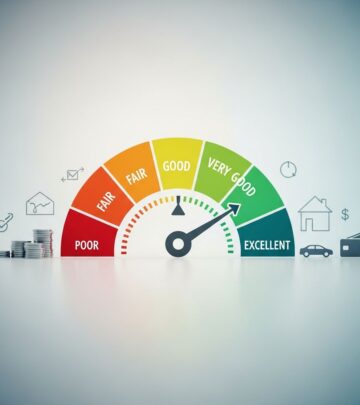
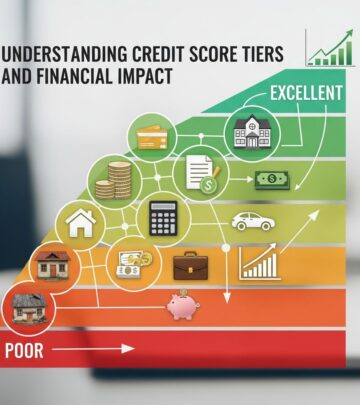
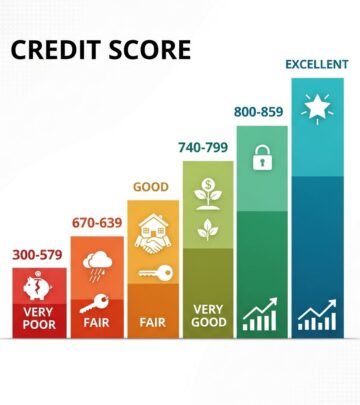
Credit scores typically range from a minimum of 300 to a maximum of 850 on the most common scoring models. This 550-point range represents the full spectrum of credit behavior, from the worst possible credit history to perfect creditworthiness. Most major credit scoring models divide this range into five distinct categories that help lenders quickly assess your credit risk:
| Score Range | Rating | Description |
|---|---|---|
| 300-579 | Poor | Significant credit challenges; difficult to obtain credit |
| 580-669 | Fair | Below-average credit; limited options with higher rates |
| 670-739 | Good | Acceptable credit; reasonable approval odds |
| 740-799 | Very Good | Strong credit history; favorable terms available |
| 800-850 | Excellent | Outstanding credit; best rates and terms |
Understanding where your score falls within this range is crucial for knowing what financial products you can realistically access and what interest rates you might expect to pay.
FICO Score Ranges Explained
The FICO score, developed by Fair Isaac Corporation, is the most widely used credit scoring model in the United States. Approximately 90% of lenders rely on FICO scores when making credit decisions. The standard FICO score ranges from 300 to 850, and understanding these ranges is essential for anyone seeking credit.
The FICO Score Breakdown
Poor (300-579): A score in this range indicates significant credit problems. You may have missed payments, defaulted on loans, or declared bankruptcy. Obtaining traditional credit with a poor FICO score is extremely challenging and often requires secured credit products or co-signers.
Fair (580-669): This range represents below-average credit. You may have some late payments or high credit utilization, but your credit history isn’t severely damaged. You can obtain credit in this range, but expect higher interest rates and less favorable terms. Some lenders may decline your application entirely.
Good (670-739): Scores in this range are considered acceptable by most lenders. A good FICO score indicates that you’ve generally managed your credit responsibly, even if you’ve had some minor issues in the past. With a good credit score, you have a reasonable chance of being approved for loans and credit cards, though you may not qualify for the absolute best rates.
Very Good (740-799): This range demonstrates a strong history of responsible credit management. With a very good FICO score, you’re likely to be approved for most credit products and can often negotiate favorable interest rates and terms. Lenders view you as a lower-risk borrower.
Exceptional (800-850): A score in this elite range indicates exceptional credit management and minimal credit risk. You’ll have access to the best interest rates, credit limits, and terms available. Banks and credit card companies actively compete for your business with premium products and rewards.
VantageScore Ranges: An Alternative Model
While FICO dominates the lending landscape, VantageScore is another important credit scoring model developed by the three major credit bureaus: Equifax, Experian, and TransUnion. VantageScore has evolved over time, and the current models (3.0 and 4.0) use the same 300-850 scale as FICO, but with slightly different category breakpoints.
VantageScore 3.0 and 4.0 Ranges
Very Poor (300-499): This category doesn’t exist in FICO’s standard model. VantageScore distinguishes between “very poor” and “poor” credit, giving more granularity at the lower end of the scale.
Poor (500-600): Credit in this range is significantly compromised. You’ll face substantial barriers to obtaining credit.
Fair (601-660): This range indicates below-average credit. You may qualify for some credit products, but at higher interest rates.
Good (661-780): VantageScore’s “good” range is slightly broader than FICO’s, extending to 780. A score in this range suggests reasonable credit management and decent approval odds.
Excellent (781-850): VantageScore doesn’t distinguish between “very good” and “excellent” at the high end like FICO does. Any score of 781 or above is considered excellent.
Why Credit Score Ranges Matter
Credit score ranges matter for several critical reasons that directly impact your financial health and opportunities:
Impact on Loan Approval Odds
Your credit score range determines whether lenders will approve your application. With a poor or fair credit score, many traditional lenders will automatically decline your application. A good score puts you in the mainstream, where most lenders are willing to work with you. Scores in the very good or excellent range virtually guarantee approval from reputable lenders.
Interest Rate Determination
The difference between score ranges can represent thousands of dollars in interest costs over the life of a loan. A borrower with an exceptional credit score (800+) might receive a mortgage rate of 6.0%, while a borrower with a fair credit score (600) might pay 7.5% or higher. On a $300,000 mortgage, this difference means paying significantly more over 30 years. Credit card interest rates vary similarly, with excellent credit scores receiving rates in the 12-15% range while fair credit might result in rates of 24% or higher.
Access to Better Financial Products
Banks and credit card companies reserve their premium products for borrowers with higher credit scores. Rewards credit cards, low-APR balance transfer cards, and premium banking services typically require a good credit score minimum. The best mortgage rates, auto loan terms, and personal loan options are only available to those with scores in the good range or higher.
How Credit Scores Are Calculated
Understanding what goes into your credit score can help you improve it. Both FICO and VantageScore consider similar factors, though they weight them differently:
- Payment History (35% for FICO): Whether you pay your bills on time. Late payments significantly damage your score.
- Credit Utilization (30% for FICO): The percentage of your available credit you’re currently using. Lower utilization is better.
- Length of Credit History (15% for FICO): How long your credit accounts have been open. Older accounts help your score.
- Credit Mix (10% for FICO): Having different types of credit (cards, loans, mortgages) helps your score.
- New Credit Inquiries (10% for FICO): Recent applications for credit can temporarily lower your score.
What is Considered a Good Credit Score?
While “good” is subjective, most financial experts and lenders define a good credit score as falling between 670 and 739 on the FICO scale, or 661-780 on VantageScore. However, the definition of “good” depends on your goals and what you’re trying to accomplish:
For Credit Card Approval: A score of 670+ generally qualifies you for mainstream credit cards with reasonable terms, though the best rewards cards typically require 700+.
For Auto Loans: Scores of 680+ typically qualify for standard auto loan rates. Scores above 740 usually qualify for the best available rates.
For Mortgages: While some lenders offer mortgages to borrowers with scores as low as 580, 680+ is considered the threshold for conventional mortgages with standard terms. For the best mortgage rates, aim for 740+.
For Personal Loans: A score of 670+ significantly improves your approval odds and interest rates compared to fair credit.
Improving Your Credit Score
If your credit score falls below the “good” range, improving it should be a priority. Here are proven strategies to move your score upward:
Build a Strong Payment History
Since payment history comprises 35% of your FICO score, this is the most impactful factor. Set up automatic payments for all bills, or use calendar reminders to ensure nothing is missed. Even one late payment can significantly damage your score.
Reduce Credit Utilization
Aim to use less than 30% of your available credit across all accounts. If you have a $5,000 credit limit, keep your balance below $1,500. Paying down balances or requesting higher credit limits can improve this ratio.
Keep Old Accounts Open
The length of your credit history matters. Don’t close old credit cards after paying them off; keeping them open (even if unused) helps maintain a longer average account age.
Diversify Your Credit Mix
Having both revolving credit (credit cards) and installment credit (loans) helps your score. If you only have credit cards, responsibly managing an auto loan or personal loan can boost your score.
Monitor Your Credit Report
Check your credit reports from all three bureaus (Equifax, Experian, TransUnion) annually for errors. Dispute any inaccuracies, as they could be unfairly lowering your score.
Frequently Asked Questions About Credit Scores
What is the highest credit score I can achieve?
The highest credit score on the standard FICO and VantageScore models is 850. However, FICO’s industry-specific scores (used by auto lenders and credit card companies) max out at 900. Reaching 850 is extremely rare; the average American FICO score is around 715.
How long does it take to improve a credit score?
Credit score improvement is gradual. Positive payment history takes months to accumulate, while negative marks can remain on your report for 7-10 years. Most people see meaningful improvement within 3-6 months of implementing better credit habits.
Does checking my credit score hurt it?
No. Checking your own credit score or report is a “soft inquiry” and doesn’t affect your score. Only “hard inquiries” from lenders (when you apply for credit) may temporarily lower your score.
Are FICO and VantageScore scores always the same?
No. Different scoring models can produce different scores even using the same credit data. This is why it’s important to know what model your lender uses. Most lenders use FICO, but some use VantageScore or other models.
Can I get credit with a fair credit score?
Yes, you can obtain credit with a fair score (580-669), but with significant limitations. You’ll likely face higher interest rates, lower credit limits, and may be declined by many traditional lenders. Secured credit cards or credit unions may be more accommodating.
How often does my credit score update?
Your credit score updates whenever information on your credit report changes. This typically happens monthly when creditors report new account activity, payments, and balances to the credit bureaus.
Conclusion
Understanding credit score ranges is essential for taking control of your financial future. A good credit score, generally defined as 670-739 on the FICO scale, opens doors to better financial products and more favorable terms. However, aiming higher—toward very good (740-799) or excellent (800-850) scores—provides even greater advantages. By understanding how credit scores work, what factors influence them, and how to improve yours, you can build a stronger financial profile and access the credit and financial opportunities you need to achieve your goals.
References
- What Is a Good Credit Score? — Intuit Credit Karma. 2025. https://www.creditkarma.com/what-is-a-good-credit-score
- Credit Score Ranges – How It Matters To Your Finances? — National Foundation for Credit Counseling (NFCC). 2025. https://www.nfcc.org/blog/the-range-of-poor-to-excellent-credit-scores-and-what-it-means-for-your-finances/
- What Is a Good Credit Score? — Experian. 2025. https://www.experian.com/blogs/ask-experian/credit-education/score-basics/what-is-a-good-credit-score/
- What are the Different Ranges of Credit Scores? — Equifax. 2025. https://www.equifax.com/personal/education/credit/score/articles/-/learn/credit-score-ranges/
- What Are the Credit Score Ranges? — Discover. 2025. https://www.discover.com/credit-cards/card-smarts/credit-score-chart/
- Credit scores: Research sheds light on how they inform lending decisions — Journalist’s Resource. 2025. https://journalistsresource.org/economics/credit-scores-roundup/
Similar Articles








Read full bio of Sneha Tete