The Good, The Bad and The Ugly of Bulk Buying
Master bulk buying strategy: Learn when warehouse shopping saves money and when it costs you more.

Everyone loves a bargain, and manufacturers and retailers have capitalized on this consumer desire for decades. The strategy is straightforward: offer consumers five percent more product in a package that’s 10 percent larger, label it as bulk economy size, and charge 15 percent more than the regular size. This marketing tactic creates the impression of getting a good deal, even when the math doesn’t support it. Understanding the reality behind bulk buying is essential for making informed purchasing decisions that truly save money rather than drain your wallet.
The Good: Real Advantages of Bulk Buying
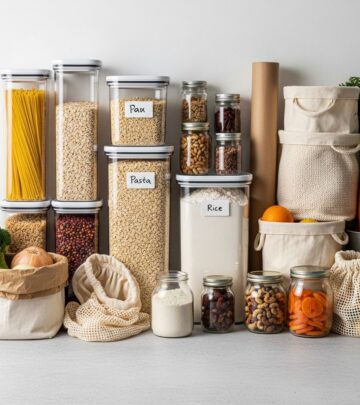
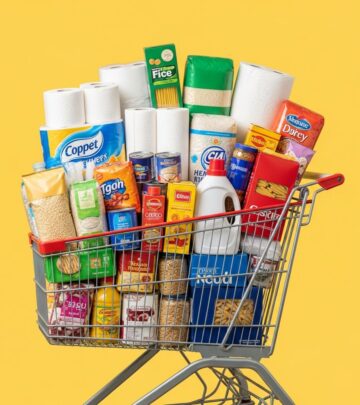
Bulk buying does offer legitimate benefits when approached strategically. The most obvious advantage is the potential for significant cost savings. When you focus on items you use regularly, purchasing in bulk can reduce your per-unit costs substantially. Items with long shelf lives and non-perishable goods like paper products, canned goods, and household staples are prime candidates for bulk purchases that deliver genuine savings.
Beyond the financial advantage, bulk buying saves time by reducing the frequency of shopping trips. This efficiency serves a dual purpose: it preserves your time, which has inherent value, and it forces you to carefully consider your purchases rather than making impulse decisions. When you visit warehouse clubs every two to three weeks instead of weekly, you’re less likely to succumb to impulse buying and more likely to stick to your planned purchases.
Another meaningful benefit is the reduced environmental impact. Buying in bulk means fewer shopping trips, which translates to less fuel consumption. Additionally, bulk purchases typically involve less overall packaging waste compared to purchasing multiple smaller packages of the same items. For environmentally conscious consumers, this sustainability factor adds another dimension to the bulk buying decision.
Warehouse club membership also provides convenience through better inventory availability. Having items on hand eliminates the need for emergency trips to the grocery store for single items. This is particularly valuable for frequently used products, as you always have backup supplies available.
The Bad: Understanding the Hidden Costs
The reality for most consumers is that they don’t save anywhere close to the advertised amounts, mostly due to selection limitations and purchasing patterns. The three major bulk warehouse clubs offer an average of around 5,000 items, including non-grocery items such as books, clothes, and electronics. This pales in comparison to the average supermarket, which stocks approximately 50,000 items. As a result, most warehouse club members shop at one or more club stores in addition to traditional supermarkets, negating some of the potential savings.
The upfront cost barrier represents a significant disadvantage for many consumers. Bulk buying requires larger initial expenditures, which can strain household budgets. If you spend $50 to save $20 on household cleaners, you’re still committing $50 upfront instead of spreading smaller payments over time. This can make budgeting considerably tougher, especially for households with limited cash flow or those managing considerable debt.
Warehouse club membership fees add another hidden cost to consider. Most warehouse clubs charge annual membership fees, which you must save enough on purchases to justify. Unless your bulk purchases exceed the membership cost plus regular shopping expenses, the membership may not be worth the investment. This is a critical calculation that many bulk buyers overlook.
The temptation to overspend looms large at warehouse clubs. Many items that seem like bargains aren’t necessarily products you need or use regularly. The abundance of products and the perception of value can lead consumers to purchase items simply because they appear to be good deals, regardless of actual necessity.
The Ugly Truth: Perishables and Waste
Perhaps the most damaging aspect of bulk buying involves perishable items. Buying more than you can use before items spoil or expire adds a significant hidden markup to the products you purchase in bulk. This issue extends beyond fresh produce, meat, and dairy products—it also includes refrigerated items and processed foods with expiration dates.
When you buy four gallons of milk to save money but one gallon sits past its expiration date and must be discarded, you’ve negated your savings entirely. The same applies to fresh produce that wilts before use or meat that expires before cooking. Perishable bulk purchases can be particularly problematic for smaller households or individuals living alone, where consumption rates may not match bulk package sizes.
Abundance also changes consumption behavior. When you have something in excess, it’s easy to become less conscious of usage. Knowing you have 12 rolls of paper towels stashed away could lead you to use them more quickly simply because you know backup supplies are available. This psychological effect can quickly erode any savings from the bulk purchase.
Storage limitations compound the waste problem. Not everyone has adequate space for bulk purchases. Limited storage means you cannot purchase in the quantities needed to achieve significant savings, or you must sacrifice space in your home, creating inconvenience and potentially reducing quality of life.
Making Smart Bulk Buying Decisions
Create and Follow a List
The same list discipline that saves money at supermarkets saves even more at warehouse clubs by preventing impulse purchases that seem like bargains but aren’t. Before visiting a warehouse club, carefully plan what you need and commit to your list. This prevents picking up items you may not truly need, which increases the likelihood of waste and spoilage. Lists are particularly important at warehouse clubs because the environment is specifically designed to encourage impulse buying.
Compare Unit Pricing
Take your club shopping list to the supermarket and compare unit pricing on items you plan to buy in bulk at the club. This is an excellent way to keep your club purchases limited to genuine cost savers rather than just bigger boxes. Ideally, the cost per unit of a bulk buy should be at least 20 percent below what you would normally pay at the supermarket. Don’t assume that larger packages always offer better per-unit pricing—crunch the numbers to verify.
The reverse approach also works: periodically bring your supermarket list to the club store to identify additional items worth stocking up on. This comprehensive comparison ensures you’re maximizing savings across both shopping venues.
Focus on Non-Perishables and Long-Shelf-Life Items
Stick to items with long shelf lives and non-perishable products like paper products and canned goods. These items won’t spoil, allowing you to use them at your own pace without waste concerns. Ideally, the majority of what you buy should be items you plan to use between now and your next trip, typically every two to three weeks.
Know Your Consumption Rate
Evaluate your family’s consumption patterns and space limitations before making bulk purchases. Buying too much can lead to waste and negate potential savings entirely. Be realistic about how much of an item your household will actually consume before expiration. This is particularly critical for perishable items, but also applies to any product with a limited shelf life.
Best Items to Buy in Bulk
Non-perishable goods, household staples, and frequently used items typically offer the best savings when purchased in bulk. These categories include:
- Paper products (toilet paper, paper towels, tissues)
- Canned goods and shelf-stable food items
- Baking supplies and non-perishable pantry staples
- Pet food (especially for multiple pets or large animals)
- Toiletries and personal care items with long expiration dates
- Laundry detergent and household cleaning supplies
- Frozen foods with extended freezer shelf life
Items to Avoid Buying in Bulk
Certain products are poor candidates for bulk purchasing, including perishable items that spoil quickly and snack foods or desserts that might inspire overindulgence. Fresh produce, dairy products with short shelf lives, and specialty items you purchase infrequently should generally be avoided in bulk quantities.
The Real Savings Potential
When executed properly, bulk buying can deliver substantial savings. Shoppers can save anywhere from 20 to 50 percent by purchasing items at warehouse clubs versus supermarkets, depending on the item. However, these savings apply only to items you would purchase anyway and can realistically consume before expiration.
You can increase your savings further by using coupons for bulk items. Some warehouse clubs accept manufacturer coupons, which can be combined with already-reduced bulk prices for additional savings. The key is remembering that what matters isn’t an item’s absolute price but the price per unit.
Frequently Asked Questions
Q: Does bulk buying always save money?
A: Not necessarily. While bulk purchases typically have lower per-unit costs, savings are only realized if you actually use the items before they expire or spoil. Waste from unused perishables can completely eliminate savings.
Q: What is a reasonable per-unit savings target for bulk purchases?
A: Ideally, the cost per unit of a bulk buy should be at least 20 percent below what you would pay at the supermarket to justify the purchase.
Q: Is warehouse club membership worth the annual fee?
A: This depends on your shopping habits and the size of your household. You must save enough on bulk purchases to cover the membership fee plus your regular shopping expenses for the membership to be worthwhile.
Q: How often should I shop at warehouse clubs?
A: Shopping every two to three weeks is typically ideal, as it balances inventory needs with the ability to use items before expiration.
Q: What should I do if I don’t have much storage space?
A: Focus on smaller bulk purchases or items with extremely long shelf lives. Storage limitations may mean bulk buying isn’t optimal for your situation.
Q: Can I return bulk purchases if I can’t use them?
A: Return policies vary by warehouse club, but many have generous return policies. However, it’s better to avoid the problem by planning purchases carefully rather than relying on returns.
The Bottom Line
Bulk buying has legitimate advantages and can help you spend less and save more, but it requires a strategic, disciplined approach. The key is understanding the difference between a genuine bargain and marketing hype designed to make you spend more. By creating detailed shopping lists, comparing unit prices, focusing on non-perishable items, and honestly assessing your consumption patterns, you can maximize the genuine savings potential of warehouse clubs while minimizing waste and unnecessary spending.
Don’t assume that warehouse clubs offer better prices on everything. Temptation and impulse buying lurk at bulk retailers just as they do at traditional supermarkets. Prepare thoroughly, follow your list, know your actual needs, and verify per-unit pricing before committing to bulk purchases. When done correctly, bulk buying can be a valuable money-saving strategy that complements your overall financial plan.
References
- Does Buying in Bulk Save Money? Buying in Bulk Explained — SoFi. 2025. https://www.sofi.com/learn/content/save-money-by-buying-in-bulk/
- The Pros and Cons of Buying in Bulk — Tech CU. 2019. https://www.techcu.com/Resources/Blog/2019/Buying-in-Bulk
- The Good, The Bad and The Ugly of Bulk Buying — SmartAsset. https://smartasset.com/personal-finance/the-good-the-bad-and-the-ugly-of-bulk-buying
- Does Buying in Bulk Save Money? — Greenlight. https://greenlight.com/learning-center/budgeting/buy-in-bulk
Similar Articles








Read full bio of Sneha Tete