Going To Work Costs You Money And How To Save Up To $10,000
Commuting to work drains your wallet more than you think. Discover hidden costs and smart strategies to slash expenses.

Many employees focus on their paycheck while overlooking the substantial expenses tied to simply getting to and from work. These hidden costs—like fuel, vehicle maintenance, professional attire, and daily meals—can add up to thousands annually, often erasing a significant portion of earnings. Understanding and minimizing these expenses is key to improving your financial health.
How Much Does It Cost to Go to Work?
The average American commuter spends considerably on work-related travel alone. According to the U.S. Bureau of Labor Statistics, transportation costs for full-time workers average over $3,000 per year, but this balloons when factoring in indirect expenses like parking and tolls. For a typical 20-mile round-trip commute five days a week, gas alone can cost $1,500 to $2,500 yearly at current fuel prices around $3.50 per gallon.
Beyond fuel, car ownership for commuting purposes incurs maintenance fees. Tires wear out faster on daily drives, oil changes are more frequent, and unexpected repairs like brake pads or transmissions can hit $1,000 or more. The AAA reports that the average annual cost to own and operate a vehicle is $12,182, with commuting responsible for a large share. Public transit users aren’t immune; monthly passes in major cities range from $100 to $300, plus incidental costs.
- Gas/Fuel: $1,800/year for 15,000 miles at 25 MPG.
- Maintenance: $800–$1,200/year, accelerated by stop-and-go traffic.
- Insurance: Higher premiums for daily drivers, averaging $1,500/year.
- Parking/Tolls: $500–$2,000/year in urban areas.
Work Clothes and Appearance Expenses
Maintaining a professional appearance is non-negotiable in most offices, yet dry cleaning, new outfits, and grooming add up quickly. A survey by the American Apparel & Footwear Association indicates workers spend $1,000–$2,000 annually on work-appropriate clothing. Suits, blouses, slacks, and shoes wear out from weekly use, requiring replacements every 6–12 months.
Grooming costs include haircuts ($50–$100 monthly), makeup, and salon services. For men, shaving supplies and barber visits tally $300/year; women often spend double on hair styling and cosmetics. Business casual policies still demand ironed shirts and polished shoes, with dry cleaning bills hitting $20–$50 weekly.
| Item | Average Annual Cost | Tips to Reduce |
|---|---|---|
| Suits/Outfits | $800 | Shop sales, thrift stores |
| Dry Cleaning | $500 | Learn to iron, spot clean |
| Shoes | $300 | Resole instead of replace |
| Grooming | $400 | DIY haircuts, bulk buys |
Lunch and Coffee: The Daily Drain
Office workers who buy lunch daily forfeit $10–$15 per meal, totaling $2,500–$3,900 yearly for 250 workdays. Vending machines, food trucks, and nearby cafes tempt with convenience, but packing from home slashes this by 70–80%. Coffee runs add another $1,000; a $5 latte habit five days a week equals $1,300 annually.
Snacks and drinks from office pantries or machines compound costs. Studies from the USDA show prepared lunches cost 2–3 times homemade equivalents in nutrition and price. Transitioning to meal prep not only saves money but improves health, reducing medical expenses long-term.
- Pack lunches: Save $2,000/year.
- Brew coffee at home: Save $900/year.
- BYO snacks: Avoid $300 in vending fees.
Childcare and Family-Related Costs
For parents, work necessitates childcare averaging $10,000–$15,000 per child annually, per the U.S. Department of Health and Human Services. After-school programs, nannies, and daycare fill the gap between school end and parental return, often exceeding 9–10% of household income.
Family impacts extend to elder care or pet sitting, with costs rising in dual-income homes. Flexible work or carpooling can mitigate, but full-time jobs demand reliable coverage. Government data shows childcare consumes 20–30% of low-to-middle income budgets.
Health and Wellness Trade-Offs
Long commutes correlate with stress, poor sleep, and sedentary lifestyles, leading to higher healthcare premiums and copays. The CDC links commuting over 30 minutes to 20% higher obesity risk, incurring $1,000+ in annual medical costs. Gym memberships for countering desk life add $500–$800, often unused.
Mental health tolls include therapy or medication for burnout, indirectly tied to work demands. Remote options reduce these, but hybrid workers still face transitional costs.
Strategies to Cut Your Work Commute Costs
Reducing expenses starts with auditing your routine. Track spending for one month using apps like Mint or Excel to identify leaks.
Transportation Hacks
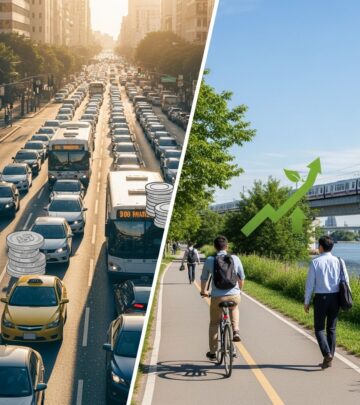
- Carpool or vanpool: Split gas 50/50, save $1,000/year.
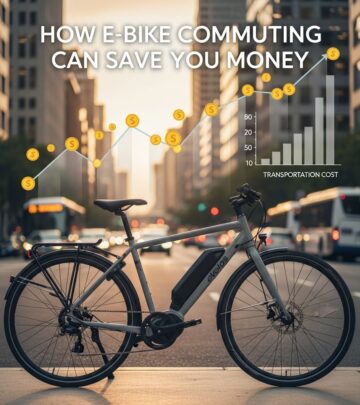
- Bike/ebike for short trips: Zero fuel, health benefits.
- Public transit pass: Employer subsidies cover 50% in many firms.
- Remote days: Negotiate 1–2/week, cut fuel 40%.
Clothing Savings
- Uniform policy advocacy or casual Fridays.
- Secondhand via apps like Poshmark.
- Capsule wardrobe: 10 versatile pieces.
Meal Prep Mastery
Batch cook Sundays: Salads, wraps, soups for $3/meal. Invest in thermoses for hot meals. Office potlucks build community while saving.
Other Tips
- Negotiate salary to cover costs or seek reimbursements.
- Side gigs near home to shorten future commutes.
- Energy-efficient car or EV incentives via IRS credits.
Calculate Your Personal Work Costs
Use this formula: (Daily commute miles x 365 x gas price / MPG) + maintenance + clothes + meals. Example: 30-mile round trip, $3.50/gal, 25 MPG = $5,110 fuel alone. Tools like AAA’s calculator refine estimates.
| Cost Category | Low Estimate | Average | High Estimate |
|---|---|---|---|
| Commute | $2,000 | $4,000 | $7,000 |
| Clothes/Grooming | $500 | $1,200 | $2,500 |
| Meals | $800 | $2,000 | $4,000 |
| Childcare | $0 | $8,000 | $20,000 |
| Total | $4,300 | $15,200 | $33,500 |
This table illustrates variability; urban professionals hit higher ends.
Frequently Asked Questions (FAQs)
What is the average annual cost of commuting to work?
Around $4,000 for transportation alone, but total work costs exceed $10,000 including meals and attire.
How can I save on work lunches?
Meal prep weekly; use leftovers and bulk buys to drop costs under $5/day.
Is biking to work feasible for everyone?
For distances under 10 miles, yes—many employers offer bike subsidies and showers.
Do remote work options eliminate all costs?
They cut commute 100%, but home office setups add utilities (~$500/year).
How much do work clothes really cost?
$1,000–$2,000 yearly; thrift and multi-use items reduce by half.
Final Thoughts on Reclaiming Your Earnings
By tackling these costs head-on, workers can reclaim $3,000–$10,000 annually. Start small: track, optimize transport, prep meals. Over time, these habits compound into debt freedom or retirement boosts. Your job funds your life—not drains it.
References
- Your Driving Costs — AAA. 2024-05-15. https://www.aaa.com/autorepair/articles/your-driving-costs
- Consumer Expenditures – 2023 — U.S. Bureau of Labor Statistics. 2024-09-10. https://www.bls.gov/news.release/ceanr0.nr0.htm
- Child Care Costs by State — U.S. Department of Health and Human Services. 2024-01-22. https://childcare.gov/consumer-education/cost-of-care
- Commuting and Health — Centers for Disease Control and Prevention. 2023-08-17. https://www.cdc.gov/transportation/active/index.html
- Electric Vehicle Tax Credit — Internal Revenue Service. 2025-01-01. https://www.irs.gov/credits-deductions/credits-for-new-clean-vehicles-purchased-in-2023-or-after
Similar Articles








Read full bio of medha deb