Going Into Debt: 3 Smart Reasons To Borrow Money
Discover how smart borrowing can unlock opportunities like business success, education, and homeownership while avoiding common pitfalls.

Debt can make or break you. The outcome depends entirely on how you handle it and the reasons behind borrowing the money. When used strategically, debt becomes a powerful tool to achieve dreams that would otherwise remain out of reach.
Credit: A Wonderful Invention
In a world where nothing comes free, credit stands out as a revolutionary invention. It empowers individuals to pursue ambitions that require upfront capital they don’t yet possess. Without access to borrowed funds, many life-changing opportunities would be limited to the already wealthy.
Borrowing enables entrepreneurs to launch businesses with just an innovative idea and a solid plan. It allows students from underprivileged backgrounds to access higher education and professional training that leads to high-earning careers. Properly managed, debt bridges the gap between aspiration and reality, turning the impossible into achievable milestones.
The Real Cost of Borrowing
However, borrowing is never without consequences. The monthly payment is merely the surface-level cost; the true price is the obligation it creates, demanding sacrifices across other areas of life. Debt ties you to repayments that can limit flexibility, delay other goals, and strain relationships.
Consider real-life scenarios that highlight these trade-offs. A New York Times article detailed a woman who accumulated $170,000 in student debt with no clear repayment path. Her fiancé ended the engagement upon discovering the burden, illustrating how unchecked debt can derail personal relationships. Was he cruel? Perhaps, but the scale of the liability made future stability uncertain for both.
In another case, a man sacrificed his family business, relocated internationally, and altered life plans—including those for children—to support his partner’s debt recovery. Admirable commitment, yet it raises questions: Is it fair to expect such extremes? These stories underscore that debt demands not just money, but life-altering choices.
- Student borrowers must live frugally post-graduation, forgoing luxuries to service loans, but their children may inherit better opportunities.
- Entrepreneurs risk decades of loan repayments, yet gain a shot at wealth creation doing what they love.
Money itself is neutral—no emotions attached. Credit doesn’t guarantee success; it’s a lever that amplifies your efforts. Before borrowing, crunch the numbers: Can you afford the payments? Are the sacrifices worthwhile? Think of that $170,000 debtor next time temptation strikes.
Three Smart Reasons to Borrow Money
Not all debt is created equal. Wise financial advisors, including insights from educational institutions like BYU-Idaho, outline three primary legitimate reasons to take on debt:
- For Education: Student loans fund degrees that unlock higher incomes. A medical student might borrow heavily, but lifetime earnings often dwarf the debt. The Federal Reserve reports average student debt at around $30,000 per borrower, yet college graduates earn 66% more over their lifetimes than high school graduates.
- To Start a Business: Startup capital turns ideas into revenue-generating enterprises. Small Business Administration data shows loans help 30% of new businesses survive past five years, far better than bootstrapped ventures.
- To Purchase a Home: Mortgages build equity and wealth. Homeowners gain tax deductions and appreciation; U.S. Census data indicates median home equity exceeds $200,000 for long-term owners.
Even car loans get a reluctant nod if essential for family needs or work, though cash purchases are preferable to avoid depreciating assets.
| Type of Debt | Pros | Cons | Best Use Case |
|---|---|---|---|
| Student Loans | Access to high-income careers | High interest, long repayment | Degrees with ROI > debt |
| Business Loans | Fuels growth and innovation | Failure risk, personal guarantees | Viable business plans |
| Mortgage | Builds equity, tax benefits | Ties up cash, market risks | Long-term housing |
| Car Loan | Enables commuting/work | Asset depreciates | Essential needs only |
The Power of Good Debt vs. Bad Debt
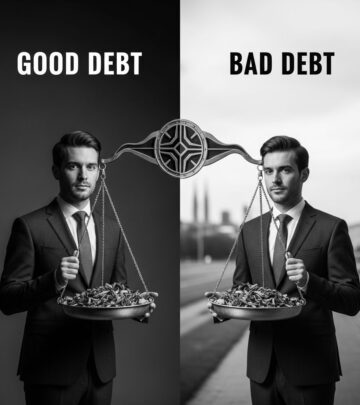
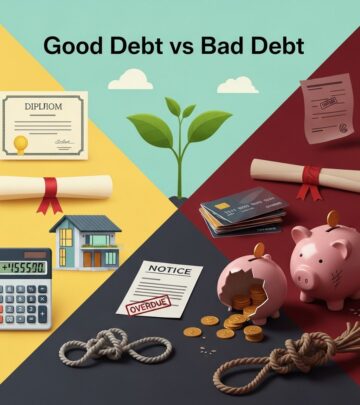
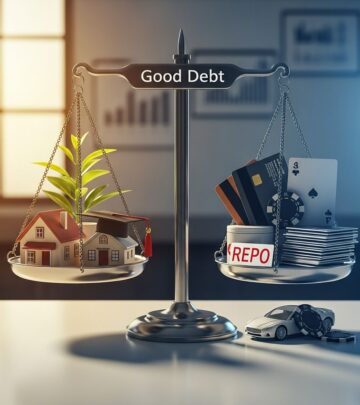
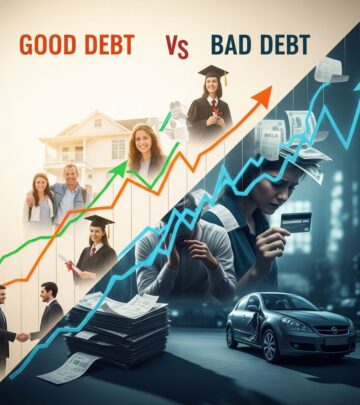
Debt is a double-edged sword: an enabler for the disciplined or a destroyer for the reckless. Good debt invests in appreciating assets or income-generating opportunities. Bad debt finances depreciating luxuries or impulse buys, like credit card splurges on vacations.
Entrepreneurs borrowing for inventory might scale to multimillion-dollar exits. Students investing in education often achieve six-figure salaries. Homebuyers leverage low-interest mortgages amid rising property values. Conversely, high-interest consumer debt traps borrowers in cycles, with average U.S. household credit card debt nearing $10,000 per CNN estimates.
Key to success: run the numbers rigorously. Calculate total interest, opportunity costs, and worst-case scenarios. Tools like loan calculators from official sources (e.g., Consumer Financial Protection Bureau) help model outcomes.
Sacrifices and Discipline Required
Borrowing demands discipline. Post-loan life often means modest living: smaller homes, fewer vacations, delayed retirement. One couple erased $60,000 in non-mortgage debt in three years by slashing spending and prioritizing repayments, freeing funds for savings and travel.
Paying off early offers stress relief, interest savings (e.g., $1,500 on a $20,000 car loan at 3% over 60 months), and freed cash flow. Yet cons include short-term cash squeezes and potential credit score dips from altered credit mix.
- Stress reduction: No more creditor calls or balance anxiety.
- Cash flow boost: Redirect payments to emergencies or investments.
- Future security: Build emergency funds and retirement sooner.
Alternatives: Counseling and Management Plans
If debt spirals, seek credit counseling. Non-profits help craft budgets, explore consolidation, or enroll in debt management plans (DMPs). DMPs negotiate lower rates, waiving fees—ideal for unsecured debts.
Counseling suits proactive types; DMPs fit those needing structure. Both outperform bankruptcy, preserving credit for future borrowing.
Frequently Asked Questions (FAQs)
Q: When is debt a good idea?
A: Debt is beneficial for education, business startups, or homes where returns exceed costs. Avoid for depreciating items like luxury cars or vacations.
Q: What sacrifices does debt require?
A: Frugal living, delayed gratification, and potential relationship strains. Always model repayment scenarios first.
Q: How do I decide if I can afford a loan?
A: Ensure payments stay under 30% of income. Use tools to calculate total interest and stress-test against job loss.
Q: Is student debt always worth it?
A: Only for degrees with strong ROI. Avoid if field offers low pay or oversupply.
Q: What if I’m already in bad debt?
A: Prioritize high-interest payoffs, cut spending, consider counseling. Discipline frees you faster than income alone.
Final Thoughts: Your Choice Defines Debt
Debt’s power lies in your hands. Borrow wisely for leverage; foolishly, and it enslaves. What are you willing to go into debt for? Choose goals worth the sacrifices, and debt becomes awesome.
(Word count: 1678)
References
- Going Into Debt Can Be Awesome — Wise Bread. 2010-approx. https://www.wisebread.com/going-into-debt-can-be-awesome
- Paying Off Debt Early: Pros and Cons — Nevada State Bank. 2022-11-01. https://www.nsbank.com/personal/community/two-cents-blog/2022-11-01-paying-off-debt-early/
- A Practical Solution to (Almost) All Your Money Problems — Becoming Minimalist. 2022-approx. https://www.becomingminimalist.com/a-practical-solution-to-almost-all-your-money-problems/comment-page-2/
- Credit Counseling vs. Debt Management Plan — InCharge Debt Solutions. 2024-approx. https://www.incharge.org/debt-relief/debt-management/counseling-v-debt-management/
- You Can Take It With You — BYU-Idaho (Academic). 2020-approx. https://www.byui.edu/speeches/kent-davis/you-can-take-it-with-you
Similar Articles








Read full bio of Sneha Tete