Goal-Based Investment Strategies: A Practical Guide
Master the art of aligning your investments with life ambitions for lasting financial success and security.
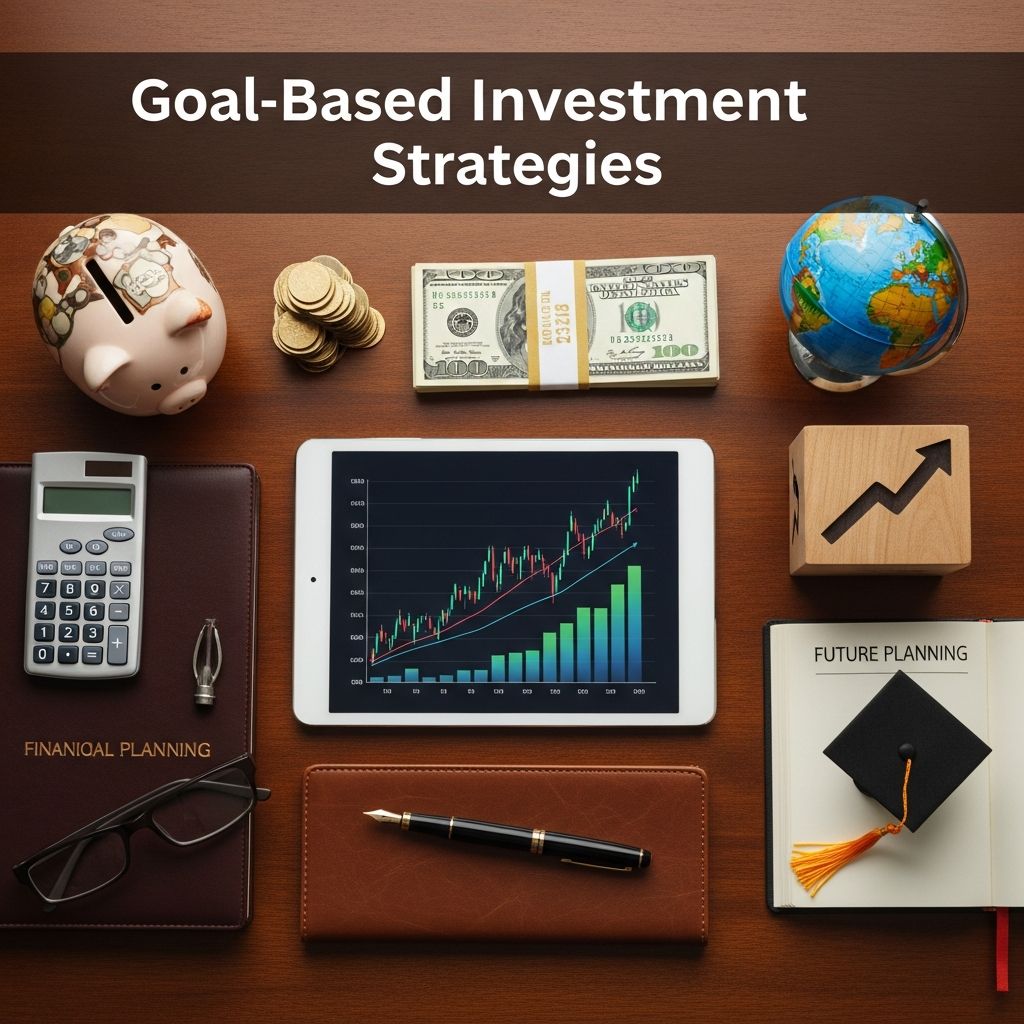
Aligning your investments with specific life objectives transforms saving into a purposeful journey toward financial independence. This approach ensures every dollar works toward milestones like purchasing a home, funding education, or securing retirement.
Defining Your Financial Roadmap
The foundation of effective investing begins with clarity on what you aim to achieve. Categorize goals into short-term (under 3 years), medium-term (3-10 years), and long-term (over 10 years). For instance, a short-term goal might involve saving for a vacation, while long-term ones focus on retirement.
- Short-term goals: Build liquidity with low-risk options to preserve capital.
- Medium-term goals: Balance growth and stability through diversified assets.
- Long-term goals: Emphasize growth via equities for compounding returns.
Quantify each goal: Determine the exact amount needed and timeline. Use tools like savings calculators to estimate required monthly contributions. Regularly review these targets as life circumstances evolve, such as career changes or family expansions.
Assessing Personal Risk Capacity
Understanding your risk tolerance is crucial before selecting investments. Risk tolerance reflects your emotional and financial ability to withstand market fluctuations. Conservative investors prefer stability, while aggressive ones chase higher returns despite volatility.
| Risk Level | Suitable Investments | Expected Returns | Volatility |
|---|---|---|---|
| Low | Bonds, CDs, High-yield savings | 2-4% | Minimal |
| Moderate | Balanced funds, ETFs | 4-7% | Moderate |
| High | Stocks, Growth funds | 7%+ | High |
Factors influencing risk tolerance include age, income stability, and investment horizon. Younger investors can afford more risk due to time for recovery from downturns.
Building a Solid Budget Foundation
A realistic budget identifies investable surplus after essentials. Track income against expenses using the 50/30/20 rule: 50% needs, 30% wants, 20% savings/investments. Automate transfers to investment accounts to enforce discipline.
- Prioritize high-interest debt repayment before aggressive investing.
- Establish a 3-6 month emergency fund in liquid accounts.
- Adjust budget quarterly to reflect income changes.
This step prevents dipping into investments prematurely, preserving growth potential.
Core Principles of Diversification
Diversification spreads investments across asset classes, sectors, and regions to mitigate losses. No single investment dominates the portfolio, reducing impact from any underperformer.
Asset categories include:
- Equities: Ownership in companies for growth potential.
- Fixed income: Bonds for steady income and capital preservation.
- Cash equivalents: For liquidity and safety.
- Alternatives: Real estate or commodities for uncorrelated returns.
Within categories, diversify further—e.g., international vs. domestic stocks. Target-date funds automatically adjust allocation over time, ideal for retirement.
Beginner-Friendly Investment Vehicles
Novices should start with accessible, low-cost options:
- Workplace plans (401(k)): Tax advantages and employer matches amplify returns.
- IRAs: Roth or Traditional for tax-deferred growth.
- ETFs/Mutual Funds: Instant diversification with low fees; index funds track markets efficiently.
- High-yield savings/CDs: For short-term needs.
Avoid individual stocks initially due to higher risk; focus on broad market exposure.
Asset Allocation Tailored to Objectives
Asset allocation determines portfolio composition based on goals and risk. A common rule: subtract age from 110 for stock percentage (e.g., 30-year-old: 80% stocks). Rebalance annually to maintain targets, selling overperformers and buying underperformers.
For goal-specific allocation:
- Retirement: Heavy equities early, shift to bonds later.
- Home purchase: More fixed income as date nears.
- Education: Balanced with growth tilt.
Tools like online calculators aid customization.
Navigating Taxes and Fees
Minimize costs to maximize returns. Opt for tax-advantaged accounts to defer or eliminate taxes on gains. Watch expense ratios in funds—under 0.2% is ideal for index products.
- Rebalancing in tax accounts avoids capital gains taxes.
- Harvest losses to offset gains in taxable accounts.
Low fees compound significantly over decades.
Ongoing Portfolio Management
Investing requires periodic review, not daily tinkering. Check quarterly or after major events. Rebalance to original allocation, but avoid emotional reactions to market swings. Long-term focus leverages compounding.
Inflation erodes purchasing power; equities historically outpace it. Stay invested through volatility for optimal results.
Frequently Asked Questions
How much should I invest initially?
Start with what you can afford consistently, even $50/month. Consistency trumps amount.
What’s the best first investment?
Max employer 401(k) match, then IRA or index ETFs.
How often to rebalance?
Annually or when allocation drifts 5-10%.
Can I invest without much knowledge?
Yes, via robo-advisors or target-date funds automating decisions.
What if markets crash?
Hold if horizon is long; downturns are temporary, growth resumes.
Embarking on Your Journey
Investment planning empowers you to control your financial destiny. Begin with goals, build habits, and let time and discipline work magic. Patience yields compounding rewards, turning modest savings into substantial wealth.
References
- Beginners’ Guide to Asset Allocation, Diversification, and Rebalancing — U.S. Securities and Exchange Commission (SEC). 2023. https://www.investor.gov/additional-resources/general-resources/publications-research/info-sheets/beginners-guide-asset
- 6 Best Investments For Beginners: A Complete Guide — Bankrate. 2025-01-15. https://www.bankrate.com/investing/best-investments-for-beginners/
- Investing money for beginners: Our investment guide — J.P. Morgan Personal Investing. 2024. https://www.personalinvesting.jpmorgan.com/guides/investing-for-beginners
- How to start investing: A guide for beginners — Vanguard Investor Resources. 2025. https://investor.vanguard.com/investor-resources-education/article/how-to-start-investing
- Investment Planning 101: A Beginner’s Guide to Building Wealth — Utah Community Credit Union (UCCU). 2024-06-10. https://www.uccu.com/investment-planning-101-a-beginners-guide-to-building-wealth/
Similar Articles








Read full bio of Sneha Tete