Go Diaper Free: Save Up To $3,000 And Potty Train Sooner
Discover elimination communication to ditch diapers early, save thousands, and embrace a greener parenting approach with practical tips.
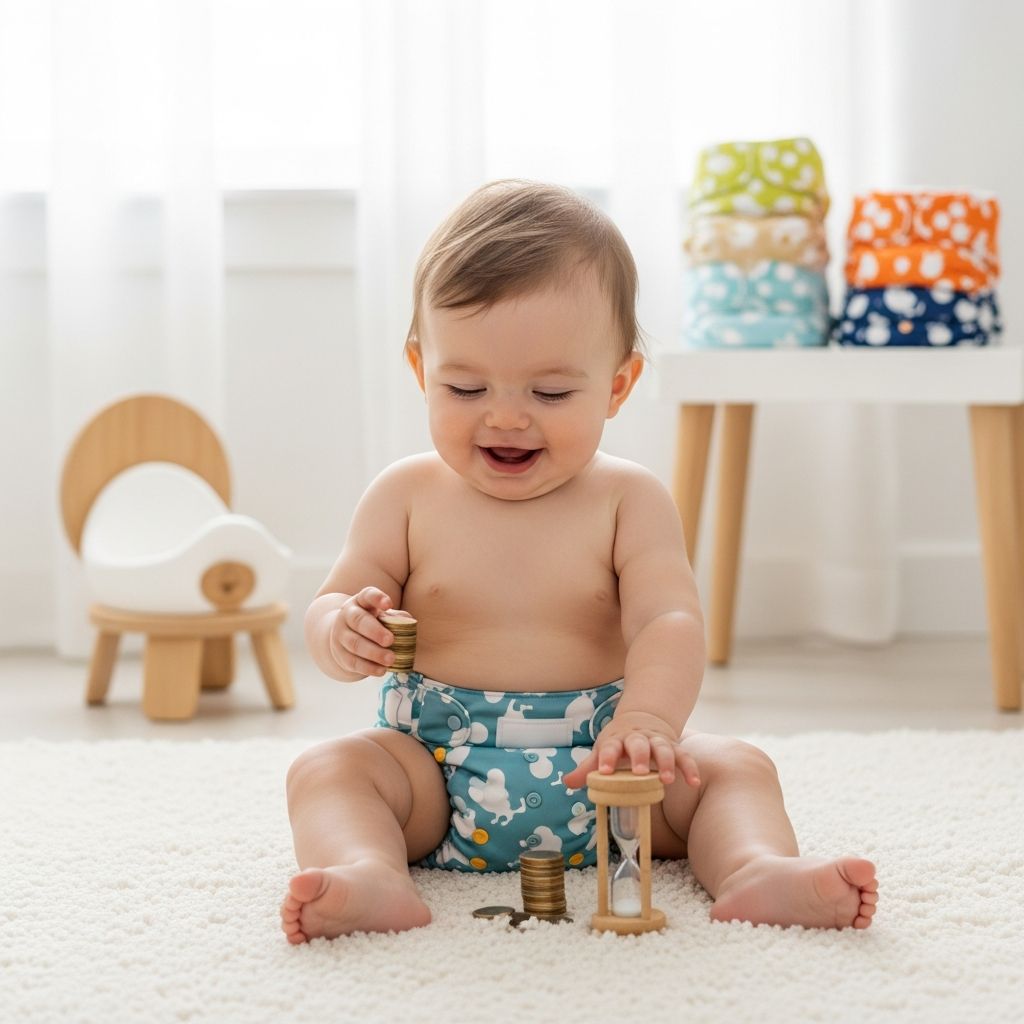
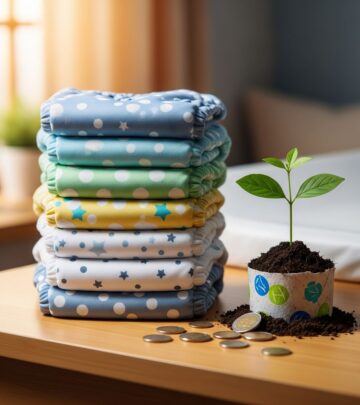
Diapers are one of the biggest ongoing expenses for parents, with babies using 6 to 10 diapers daily and up to 3,000 in the first year alone, costing thousands over time. Elimination communication (EC), also known as diaper-free living, offers a natural, cost-saving alternative practiced worldwide. This method involves tuning into your baby’s elimination cues and holding them over a toilet or sink, potentially saving money, reducing waste, and accelerating potty training.
What Is Elimination Communication?
Elimination communication is a mindful parenting practice where caregivers observe and respond to an infant’s natural signals for urination and bowel movements, holding the baby away from the body at those times. Originating from cultures in Asia, Africa, and South America, EC has gained traction in North America as parents seek eco-friendly, budget-conscious options. Unlike traditional diapering, EC minimizes diaper use from birth, fostering early awareness in babies.
Key principles include watching for cues like fussing, squirming, or specific cries, and using sounds like ‘psss’ to prompt elimination. Babies as young as newborns can signal needs, and with consistency, many achieve diaper freedom by 12-18 months, far earlier than the average 2-3 years with diapers.
Benefits of Going Diaper Free
Adopting EC yields multiple advantages beyond savings.
- Financial Savings: Avoid $1,500-$3,000 per child in disposable diapers. Even part-time EC cuts usage by up to two-thirds.
- Environmental Impact: Disposable diapers contribute 3.5 million tons of waste annually in U.S. landfills; EC drastically reduces this.
- Healthier Skin: Less diaper rash from constant dryness and air exposure.
- Earlier Potty Training: Babies learn body awareness sooner, leading to independence.
- Stronger Parent-Baby Bond: Heightened responsiveness builds trust and communication.
One parent reported saving over $2,000 by starting EC at birth, using only 500 diapers total versus 3,000.
How to Start Elimination Communication
Beginning EC is accessible for any family willing to observe and adapt. No special equipment is needed—just commitment.
Step 1: Learn the Cues
Infants give clear signals: pausing play, grimacing, kicking legs, or sudden stillness. Track patterns in a log: time of day, post-feeding urges are common. Use intuitive holds like airplane position over a toilet.
Step 2: Practice Holds and Sounds
Hold baby over a sink, toilet, or potty. Make a ‘shhh’ or ‘psss’ sound to associate with elimination. Success builds quickly; misses go in laundry.
Step 3: Choose Your Approach
Full-time EC means no diapers; part-time uses them as backup. Start anytime—newborns adapt best, but toddlers benefit too.
| Age to Start | Success Rate | Diaper Savings |
|---|---|---|
| Newborn (0-3 mo) | High (80-90% dry) | Max (90% reduction) |
| Infant (3-12 mo) | Medium-High | 60-80% |
| Toddler (12+ mo) | Medium | 40-60% |
Real Parent Stories: Success with EC
Parents share transformative experiences. Andrea Olson, EC expert, potty trained all four children early, using minimal diapers even with five kids. One mom started at two months: ‘By six months, daytime was diaper-free; we saved hundreds’.
Another bootstrapping parent built a cloth stash for $200: 36 prefolds, 18 pockets, saving on disposables via EC integration. Laundry every 2-3 days sufficed. Challenges like outings were met with portable potties and training pants.
Combining EC with Cloth Diapers
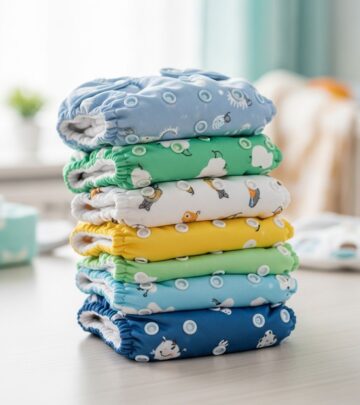
Hybrid approaches maximize savings. Cloth diapers cost $200-400 upfront but last multiple children, reusable 50-200 times.
- Affordable Brands: Mama Koala, Alva Baby, Kawaii—effective and durable.
- Minimal Stash: 12-24 diapers for EC users, as changes are infrequent.
- Care Tips: Prefold with covers; wash in hot water. Use for night or travel.
EC reduces cloth laundry by 1/3, making it manageable.
Challenges and Solutions
EC isn’t effortless. Common hurdles:
- Misses: Normal; use wool covers or training pants. View as learning.
- Social Skepticism: Educate gently; privacy in public helps.
- Nighttime: Gradual; many night-dry by 9 months.
- Travel: Disposable backups or elimination bags.
Solution: Join communities like GoDiaperFree.com forums for support. Consistency over weeks yields results.
Cost Comparison: Diapers vs. EC
| Method | Upfront Cost | Annual Cost | Total to 2 Years | Waste |
|---|---|---|---|---|
| Disposable Only | $0 | $1,500 | $3,000 | High |
| Cloth Only | $300 | $100 (wash) | $500 | Low |
| EC Full-Time | $50 (potty) | $100 | $250 | Minimal |
| EC + Cloth Hybrid | $250 | $75 | $400 | Very Low |
EC hybrids save most long-term.
Getting Free or Low-Cost Diaper Support
While EC minimizes needs, supplements help:
- Brand samples: Huggies, Pampers apps for freebies.
- Diaper banks: Local charities provide 100s free monthly.
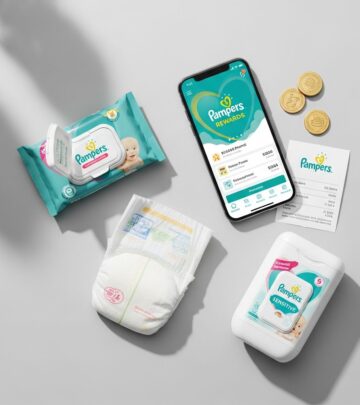
- Rewards: Pampers Club earns cash for more.
Frequently Asked Questions (FAQs)
Is EC suitable for newborns?
Yes, newborns eliminate frequently post-feed; start observing immediately for best results.
How much time does EC take daily?
10-30 minutes initially, less as baby cues strengthen. Integrates into routines.
Can I do EC part-time?
Absolutely; even occasional practice cuts diaper use significantly.
What if my baby resists?
Patience; regression phases pass. Consistency and positivity work.
Does EC work for all families?
Most, including working parents with caregivers trained in cues.
Final Tips to Go Diaper Free
Track progress, celebrate wins, and scale up. Resources: Books like ‘Go Diaper Free’ by Andrea Olson. Communities offer free coaching. Small steps like potty pauses after feeds lead to big savings and freedom.
References
- 7 Ways You Can Save on Diapers or Get Free Ones — The Penny Hoarder. 2023. https://www.thepennyhoarder.com/save-money/free-diapers/
- How to Save Money on Diapers – 6 Tips for Using Fewer Cloth and Disposable Diapers — Go Diaper Free. 2023. https://godiaperfree.com/how-to-save-money-on-diapers-6-tips-for-using-fewer-cloth-and-disposable-diapers/
- Elimination Communication: Save Money and Go Diaper Free — The Penny Hoarder. 2023. https://www.thepennyhoarder.com/save-money/go-diaper-free/
Similar Articles








Read full bio of medha deb