Gluten-Free On A Budget: Money-Saving Shopping Tips
Discover practical strategies to eat gluten-free without breaking the bank, from smart shopping to homemade recipes.
Adopting a gluten-free diet doesn’t have to drain your wallet. While gluten-free products often cost significantly more—up to 242% higher than regular foods according to consumer reports—strategic planning, smart shopping, and homemade alternatives can slash expenses dramatically. A 2007 Columbia University study highlighted that gluten-free items can be up to four times pricier than conventional equivalents, but modern tips make it manageable. This guide covers everything from stocking your pantry affordably to meal ideas that keep nutrition high and costs low.
Why Gluten-Free Eating Costs More (And How to Fight Back)
Gluten-free products command premium prices due to specialized ingredients, smaller production scales, and certification processes. Bread, flour blends, and snacks top the expense list, with loaves often ranging from $7 to $9. However, individuals have reduced spending by over 60% through DIY methods and focusing on naturally gluten-free staples like rice, corn, and fresh produce. The U.S. Department of Agriculture notes that naturally gluten-free whole foods form the basis of a cost-effective diet, aligning with federal dietary guidelines.
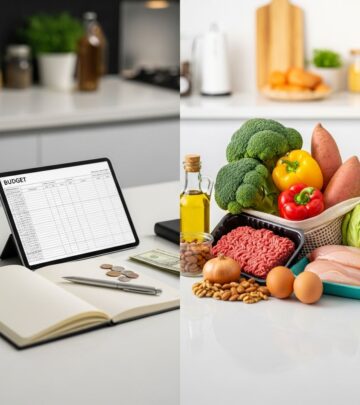
Start by auditing your grocery bill: identify high-cost items like pre-made breads and mixes, then replace them with budget hacks. Planning weekly meals around affordable proteins, veggies, and grains ensures you avoid impulse buys of pricey gluten-free substitutes.
Stock Your Pantry on a Budget
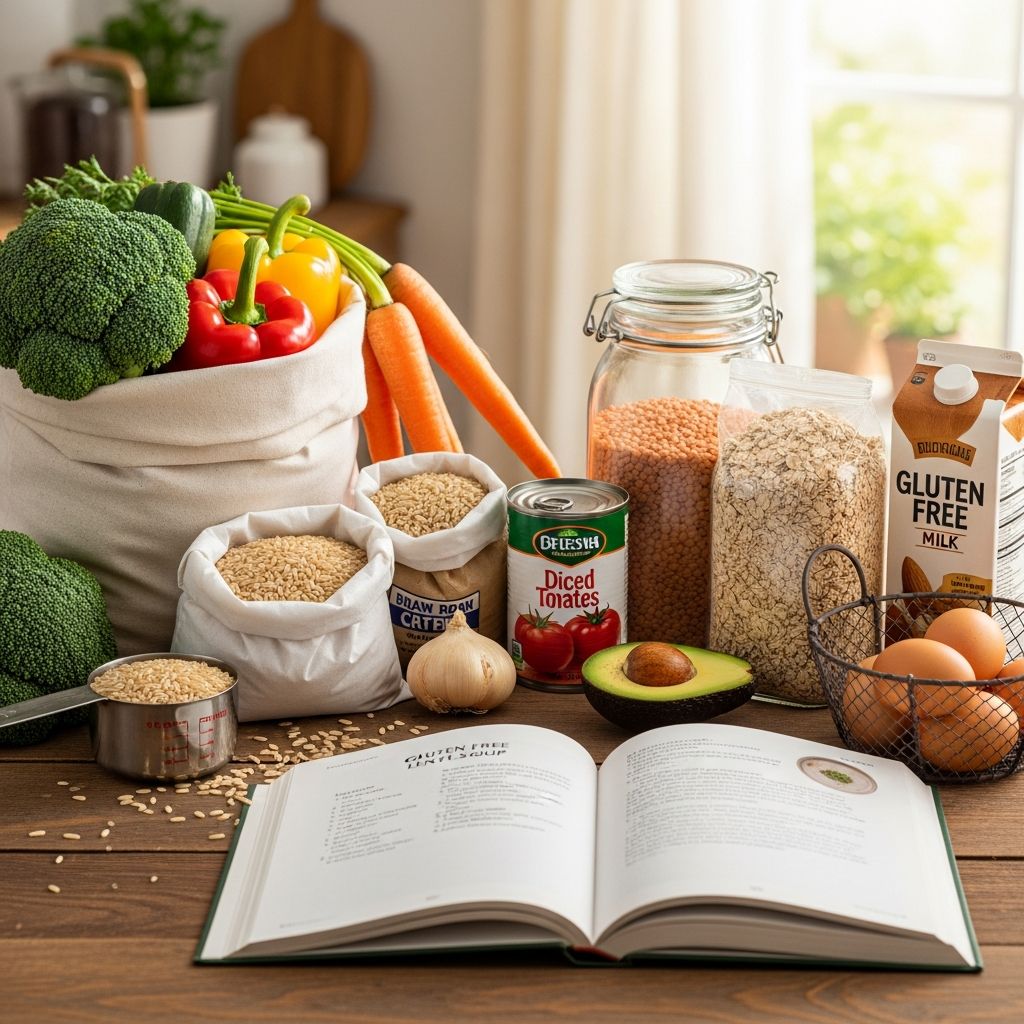
Building a gluten-free pantry begins with versatile, inexpensive staples. Prioritize bulk buys of individual flours over expensive all-purpose blends, which can cost three times more. Key items include:
- Rice flour and tapioca starch: Essential for baking, available certified gluten-free for under $2 per pound in bulk.
- Almond flour: Nutritious for baking; buy in larger bags to save.
- Gluten-free oats: Perfect for breakfast; opt for certified brands during sales.
- Tamari (gluten-free soy sauce): A pantry must-have for flavoring.
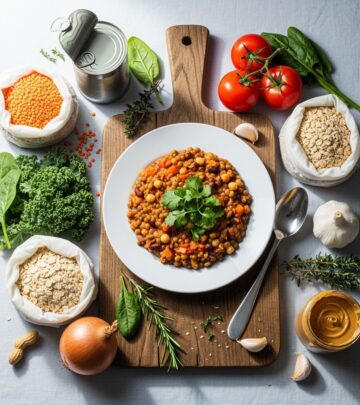
- Canned tomatoes and beans: Naturally gluten-free bases for sauces and meals.
Shop at discount stores, ethnic markets, or online bulk retailers for deals. Always verify labels, as cross-contamination risks persist even in ‘naturally gluten-free’ items.
Make Your Own Gluten-Free Bread
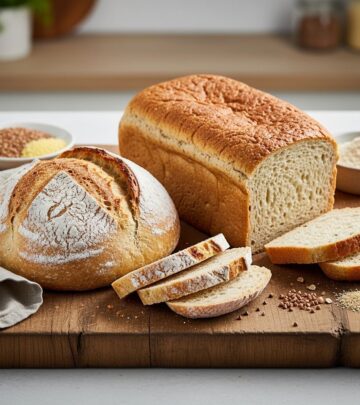
Store-bought gluten-free bread is a budget buster, but homemade versions cost as little as $3 per loaf—matching regular bread prices. Robyn from Robyn’s Gluten-Free Living shares a simple recipe using bulk flours: mix in 10 minutes, bake in 90, yielding sandwich-sized loaves. The Penny Hoarder’s recipes use ingredients totaling $5.39 per loaf, with a bread maker paying for itself after seven uses.
Basic Gluten-Free Bread Recipe:
| Ingredient | Amount | Cost Estimate |
|---|---|---|
| Rice flour | 2 cups | $0.50 |
| Tapioca starch | 1 cup | $0.40 |
| Almond flour | ½ cup | $0.80 |
| Yeast, salt, oil | As needed | $1.00 |
| Xanthan gum | 1 tsp | $0.30 |
| Total | – | $3.00 |
Instructions: Combine dry ingredients, add warm water and oil, knead lightly, rise 30 minutes, bake at 375°F for 50-60 minutes. Customize with seeds for variety. This approach not only saves money but improves taste and texture.
Stop Buying Expensive Flour Blends and Mixes
All-purpose gluten-free blends drove one person’s spending from $105 to $25 annually by switching to individual ingredients. Blends mark up costs unnecessarily; mixing your own rice flour, tapioca, and a bit of xanthan gum yields better results at a fraction of the price. Certified single flours are still cheaper than pre-mixed options. For safety, source from reputable suppliers adhering to FDA gluten-free standards (less than 20 ppm gluten).
- DIY All-Purpose Mix: 40% brown rice flour, 30% white rice flour, 20% potato starch, 10% tapioca starch.
- Cost: $1.50 per pound vs. $5+ for brands.
Experiment gradually to perfect ratios, ensuring consistent baking success.
Embrace Naturally Gluten-Free Foods
Many foods are inherently gluten-free, keeping costs down without premium pricing. Focus on:
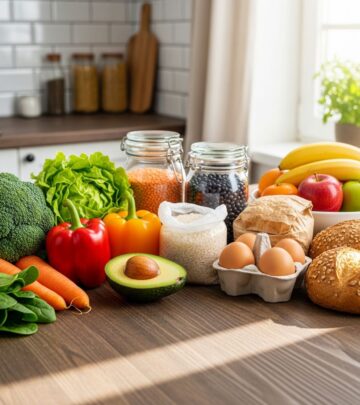
- Fresh fruits and vegetables.
- Meats, eggs, dairy (check labels).
- Grains like quinoa, corn, millet.
- Legumes and nuts.
Tomato-based pasta sauces are often safe for $1-2 per jar—always read labels. Snacks? Apple with peanut butter beats $4 granola bars. Breakfast: Gluten-free oats over pricey cereals. The Celiac Disease Foundation emphasizes these whole foods for balanced nutrition on a budget.
Smart Shopping Strategies
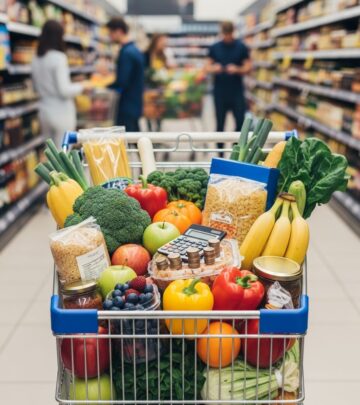
Maximize savings with these tactics:
- Sales and coupons: Apps like Ibotta or store loyalty programs offer gluten-free deals.
- Bulk buying: Costco or online for flours and nuts.
- E Ethnic grocers: Cheaper rice, spices, tamari.
- Compare prices: Generic brands often match name-brand quality.
- Meal prep: Batch-cook rice bowls or stir-fries.
Avoid processed snacks like crackers unless on deep discount; minimize to control spending.
Budget-Friendly Meal Ideas
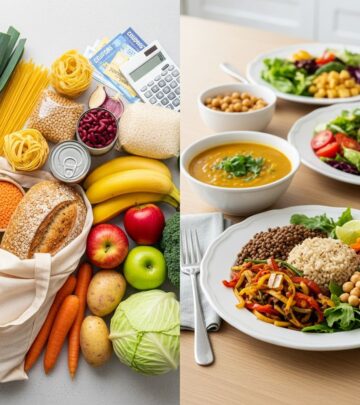
Frugal meals prove gluten-free can be delicious and cheap:
- Breakfast: Overnight oats with fruit ($0.50/serving).
- Lunch: Quinoa salad with veggies and chickpeas ($1.50).
- Dinner: Stir-fried rice with chicken and broccoli ($2/person).
- Snacks: Veggie sticks with hummus.
Thai or Indian takeout offers naturally gluten-free options at standard prices. Limit splurges on burger buns or pizza to special occasions.
Frequently Asked Questions (FAQs)
What is the average cost difference for gluten-free foods?
Gluten-free products cost up to 242% more, or four times conventional foods per studies.
Can I really save 60% on gluten-free groceries?
Yes, by baking bread, mixing flours, and eating naturally gluten-free foods.
Are there risks buying non-certified flours?
Choose certified gluten-free to avoid cross-contamination; FDA regulates at <20 ppm.
What are the best naturally gluten-free grains?
Rice, quinoa, corn, millet, and certified oats.
How do I start baking gluten-free?
Begin with simple bread recipes using bulk flours; invest in xanthan gum for binding.
Long-Term Savings Tips
Sustainability comes from habits: track spending monthly, join gluten-free communities for deals, and grow herbs/veggies if possible. Over time, these shifts normalize gluten-free living without financial strain. Families report maintaining health while halving food budgets.
References
- Robyn’s Gluten-free Living: How to save money when you’re gluten free — YouTube. 2021-01-15. https://www.youtube.com/watch?v=WdZJsUjcESo
- Gluten-Free on a Budget — The Penny Hoarder. 2023-10-01. https://www.thepennyhoarder.com/save-money/gluten-free-on-a-budget/
- Gluten-Free on a Budget | BeyondCeliac.org — Beyond Celiac. 2024-05-15. https://www.beyondceliac.org/gluten-free-diet/gluten-free-on-a-budget/
- 7 Tips for Living Gluten-Free on a Budget — Gluten Free Foodee. 2022-08-20. https://glutenfreefoodee.com/7-tips-for-living-gluten-free-on-a-budget/
- These 2 Gluten-Free Bread Recipes Saved me Nearly 60% — The Penny Hoarder. 2023-11-10. https://www.thepennyhoarder.com/save-money/gluten-free-bread-recipes/
- Gluten-Free on a Budget: Smart Shopping and Frugal Meal Ideas — Schaer. 2024-02-28. https://www.schaer.com/en-us/a/gluten-free-on-a-budget
- Dietary Guidelines for Americans — USDA. 2020-12-31. https://www.dietaryguidelines.gov/
- Questions and Answers Establishing Gluten-Free Labeling — FDA. 2023-09-12. https://www.fda.gov/food/food-labeling-nutrition/questions-and-answers-about-gluten-free-labeling
- Gluten-Free Foods List — Celiac Disease Foundation. 2024-01-05. https://celiac.org/gluten-free-living/gluten-free-foods/
Similar Articles








Read full bio of Sneha Tete