Get The Most Out Of Your Produce: Smart Storage Guide
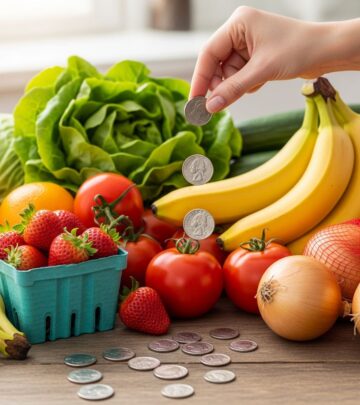
Maximize your grocery budget with smart shopping, storage, and usage tips for fruits and vegetables to minimize waste and save hundreds annually.
Produce is a cornerstone of healthy eating, but it can also be one of the quickest items to spoil, leading to wasted money and food. With grocery prices rising, learning to select, store, and use fruits and vegetables effectively can save households hundreds of dollars annually while reducing environmental impact. This guide covers everything from smart shopping habits to innovative storage solutions and recipe ideas to ensure every piece of produce delivers maximum value.
Shop Smart for Produce
The foundation of getting the most from your produce starts at the store. Choosing wisely prevents waste from the outset. Opt for
seasonal and local produce
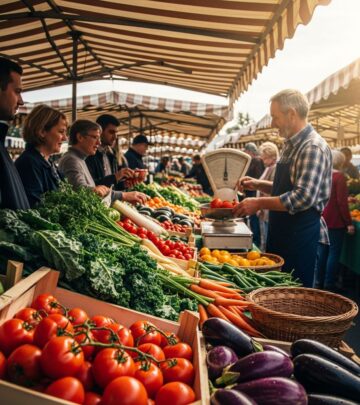
, which is typically cheaper, fresher, and more flavorful due to lower transportation costs. Farmers’ markets often offer better deals, especially toward the end of the day when vendors discount items to avoid hauling them back.Avoid
pre-cut or pre-washed produce
, as these convenience items can cost up to twice as much per pound. Instead, buy whole fruits and vegetables and prep them yourselfthe extra few minutes save significant cash over time. For example, a whole pineapple might cost $3, while pre-cut chunks run $5 or more for half the amount.- Check for ripeness: Select firm produce without soft spots or blemishes. For avocados and bananas, buy slightly underripe and let them ripen at home.
- Buy in bulk wisely: Stock up on items like berries or herbs only if you can freeze or preserve them immediately.
- Compare frozen vs. fresh: Frozen produce is often cheaper, lasts longer, and retains nutrients since it’s flash-frozen at peak ripeness.
Discount grocery stores and ethnic markets frequently undercut big chains on produce prices, providing quality at lower costs without sacrificing freshness.
Proper Storage Techniques
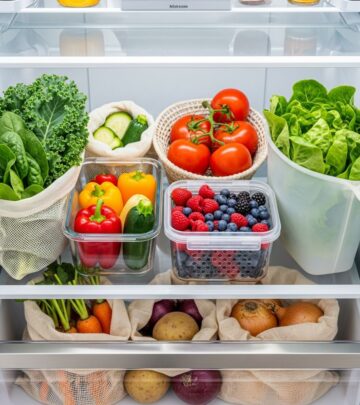
Improper storage causes up to 40% of household food waste, turning affordable buys into trash. Mastering storage extends shelf life dramatically. Separate
high-ethylene producers
like apples, bananas, and tomatoes from sensitive items such as leafy greens, berries, and broccoli, as ethylene gas speeds ripening and spoilage.| Produce Type | Best Storage Method | Shelf Life Extension |
|---|---|---|
| Leafy Greens (Lettuce, Spinach) | Wash, dry thoroughly, wrap in paper towels, store in airtight container or bag in fridge crisper | 1-2 weeks (vs. 3-5 days) |
| Berries | Don’t wash until ready to use; store unwashed in single layer on paper towel-lined container in fridge | 1 week (vs. 2-3 days) |
| Apples & Citrus | Refrigerate in crisper drawer; keep away from other produce | 1 month+ |
| Potatoes & Onions | Cool, dark, dry pantry spot; never together (moisture causes sprouting) | 2-3 months |
| Herbs (Cilantro, Basil) | Treat like flowers: trim stems, place in jar of water, cover loosely with bag, refrigerate | 2 weeks (vs. 3 days) |
For root vegetables like carrots and celery, submerge ends in water in a covered container to keep them crisp. Bananas store best on a hook away from other fruits, and avocados ripen faster in a paper bag with an apple.
Revive Wilting Produce
Not all hope is lost for slightly wilted items. Many can be revived with simple tricks, saving money that would otherwise go to new purchases.
- Limp carrots/celery: Soak cut ends in ice water for 1-2 hours.
- Wilted greens: Trim ends, soak in cold water with a splash of vinegar for 30 minutes, then dry and refrigerate.
- Squishy berries: Rinse, pat dry, freeze for smoothies or baking.
- Overripe bananas: Peel, freeze whole or mashed for banana bread or ice cream.
- Soft tomatoes: Roast into sauce or soup before they spoil completely.
These methods can breathe new life into produce, turning potential waste into meals.
Preserve Produce for Long-Term Savings
Preservation techniques like freezing, pickling, and canning lock in freshness and allow bulk buying without spoilage fears. Freeze berries on a sheet pan before bagging to prevent clumping; blanch and freeze vegetables like green beans or peppers for up to a year. Homemade pickles from cucumbers or freezer jams from strawberries cost pennies per serving compared to store-bought.
Dehydrating herbs, fruits, or even zucchini chips in an oven or dehydrator creates shelf-stable snacks. For example, a $2 bunch of basil yields enough dried herb for months of pasta dishes.
Creative Ways to Use Every Bit
Zero-waste cooking maximizes value. Use
stems and scraps
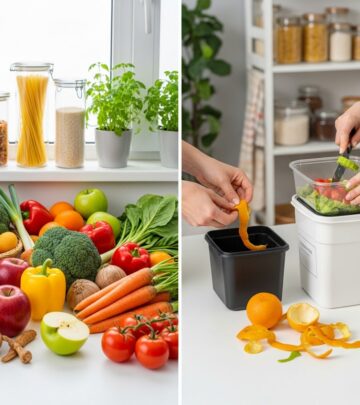
creatively: broccoli stalks grate into salads or rice, carrot tops make pesto, and onion ends flavor stocks. Citrus peels become candied treats, zest for baking, or cleaning scrubs.Overripe fruit stars in smoothies, compotes, or baked goods. Blend spotted bananas with yogurt for “nice cream,” or turn mushy peaches into salsa. Vegetable scraps compost or become veggie brothsimmer onion skins, carrot tops, and celery ends for a nutrient-rich base cheaper than boxed versions.
Meal Planning with Produce
Incorporate produce into
weekly meal plans
to avoid impulse buys and waste. Build meals around sales: if zucchini is 99 cents per pound, plan stir-fries, noodles, and bread. Versatile items like cabbage or potatoes anchor multiple dishes, stretching dollars further.Prep produce in advancechop veggies for salads or snacksto make healthy eating effortless and reduce last-minute takeout temptations.
Frequently Asked Questions (FAQs)
Should I wash produce before storing?
No, wash only right before use to avoid excess moisture that promotes mold. Dry thoroughly after rinsing.
Can I freeze fresh produce without blanching?
Berries, herbs, and fruits freeze well raw; most vegetables need blanching to preserve color, texture, and nutrients.
How do I store potatoes to prevent sprouting?
Keep in a cool (45-50°F), dark, well-ventilated pantry away from onions. Sprouting ones can still be used if the sprout is removed.
What’s the best way to ripen avocados quickly?
Place in a paper bag with a banana or apple; the ethylene gas will speed ripening in 1-3 days.
Are frozen vegetables as nutritious as fresh?
Often more so, as they’re frozen at peak ripeness. U.S. Department of Agriculture studies confirm comparable vitamin levels.
Track Your Savings
Implement these tips and monitor waste reduction. Apps like Mealime or spreadsheets help log purchases and usage. Many report saving $50-100 monthly on produce alone through better habits.
References
- USDA FoodKeeper App Guide United States Department of Agriculture. 2023-05-15. https://www.foodsafety.gov/keep-food-safe/foodkeeper-app
- Food Waste Reduction Tips United States Environmental Protection Agency (EPA). 2024-08-20. https://www.epa.gov/recycle/reducing-wasted-food-home
- Produce Storage Best Practices FDA Center for Food Safety and Applied Nutrition. 2023-11-10. https://www.fda.gov/food/buy-store-serve-safe-food/selecting-and-serving-produce-safely
- Nutrient Retention in Frozen Produce Journal of Food Science (Wiley). 2022-07-14. https://doi.org/10.1111/1750-3841.12292
- Household Food Waste Report United States Department of Agriculture Economic Research Service. 2024-03-05. https://www.ers.usda.gov/data-products/food-price-outlook/summary-findings
Similar Articles








Read full bio of medha deb