Understanding Gated Communities: A Buyer’s Complete Guide
Navigate the decision to buy in a gated community with expert insights
When exploring residential options in today’s real estate market, gated communities represent an increasingly popular choice for homebuyers seeking enhanced security, curated amenities, and a structured living environment. These residential developments offer a distinct lifestyle characterized by controlled access, professional management, and shared community resources. However, purchasing property within a gated community involves unique considerations that differ significantly from traditional neighborhood purchases. This comprehensive guide explores the essential factors prospective buyers should evaluate before making this significant investment.
What Defines a Gated Community
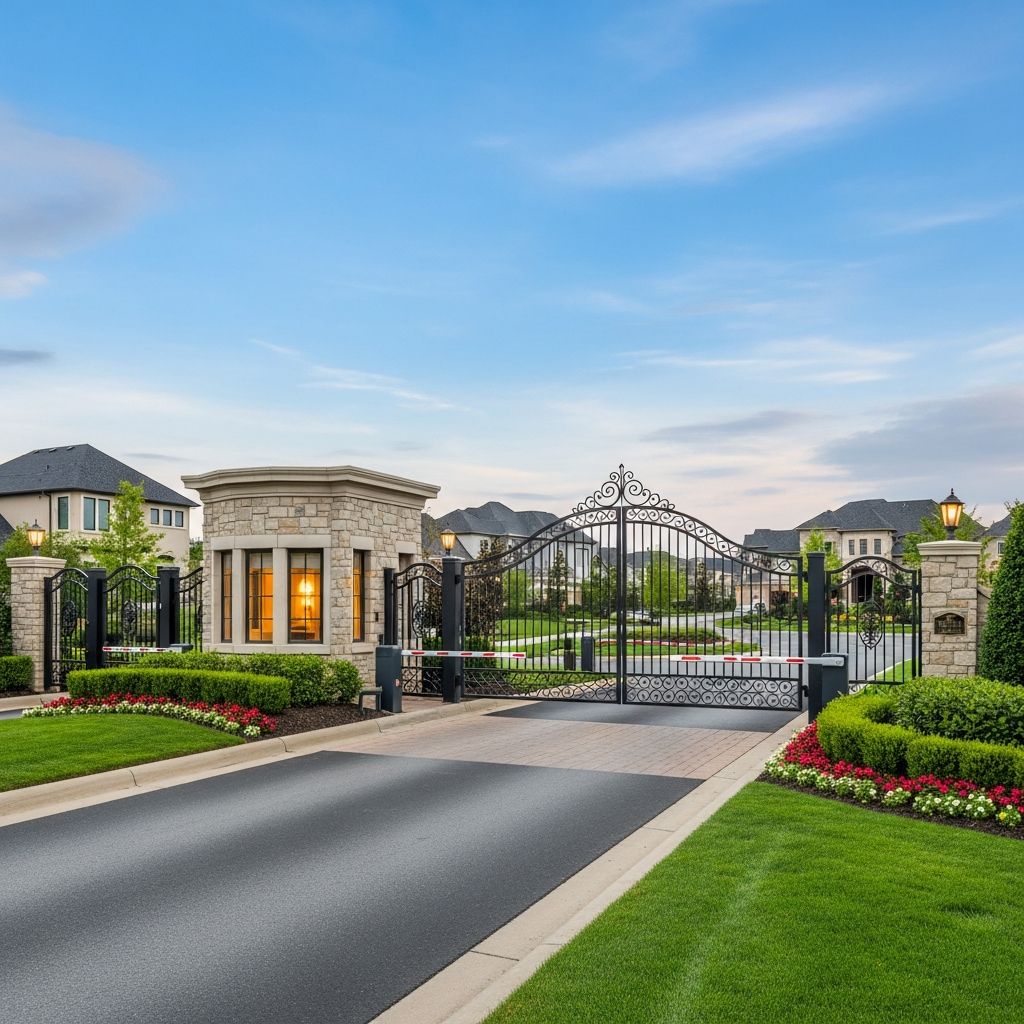
A gated community is a residential development surrounded by walls, fences, or other barriers with controlled entrance and exit points. These communities are typically managed by homeowners associations (HOAs) that establish rules, maintain common areas, and oversee community operations. The defining characteristic of gated communities is restricted access—residents and authorized visitors must pass through security checkpoints, whether staffed by personnel or operated through technological systems like virtual gates and phone entry systems.
Gated communities exist in various configurations across the United States, from small suburban developments to sprawling master-planned communities in affluent areas. The demographics of gated community residents often include working professionals, retirees, and families seeking a secure, well-maintained living environment. These communities range from modest developments to luxury enclaves featuring resort-style amenities and architectural distinctions.
Security and Privacy: Primary Motivations
The most compelling reason buyers choose gated communities is the enhanced security infrastructure. Most gated communities employ 24/7 security monitoring, surveillance systems, and controlled gate access that significantly reduce unauthorized entry. This multilayered approach to security creates a protective environment that appeals to families with children, high-profile individuals concerned with privacy, and anyone prioritizing personal safety.
Beyond physical security measures, the enclosed nature of gated communities provides psychological reassurance. Residents experience greater peace of mind knowing that only authorized individuals have access to their neighborhood. This environment proves particularly attractive to individuals concerned about theft, vandalism, or other property crimes that occur in open residential areas.
The privacy dimension of gated communities extends beyond security considerations. The barriers that prevent unauthorized entry also shield residents from public visibility, traffic through-passage, and commercial activity typical of traditional neighborhoods. This seclusion creates an exclusive residential environment distinct from conventional suburban development.
Financial Considerations and Affordability
The financial implications of gated community living extend far beyond the purchase price of the home itself. Prospective buyers must carefully evaluate multiple cost components to understand the true expense of ownership.
Purchase Price Premiums
Properties within gated communities typically command higher prices than comparable homes in non-gated areas. Research indicates homes in gated communities net approximately $30,000 more than equivalent properties outside gates. This premium reflects the desirability of enhanced security, professional management, and exclusive amenities. Buyers should expect to pay more for the same square footage, number of bedrooms, and basic home features when purchasing within a gated community.
Homeowners Association Fees
Monthly HOA fees represent the most significant ongoing expense beyond mortgage payments. These fees fund security operations, common area maintenance, amenity management, and administrative costs. The specific amount varies considerably based on community location, amenities offered, and service levels provided. Some HOAs include services such as landscaping, cable television, internet, and phone service within their monthly assessments, while others charge only for basic gate security and common area maintenance.
Understanding what your HOA fees cover proves critical before purchasing. Request detailed documentation of what services and facilities are included and compare this information with the proposed monthly fee. Some communities offer comprehensive packages covering landscaping, snow removal, and facility maintenance, while others charge minimally but exclude these services.
Amenities and Community Features
Gated communities typically provide extensive amenities that enhance resident lifestyle and justify premium pricing. These facilities often exceed what individual homeowners could afford independently.
- Recreation Facilities: Swimming pools, fitness centers, tennis courts, and recreational sports courts
- Outdoor Spaces: Parks, hiking trails, biking paths, jogging areas, and golf courses
- Family Features: Playgrounds, splash pads, and youth activity centers
- Pet Amenities: Off-leash dog parks and pet-friendly walking areas
- Social Spaces: Community clubhouses, gathering pavilions, and event venues
- Utility Services: Sometimes including cable, internet, and phone services
Before committing to a purchase, verify that all advertised amenities are operational and accessible. Developers sometimes advertise planned facilities that remain uncompleted at the time of purchase. Request confirmation that the amenities you value are fully functional and available for immediate use by new residents.
HOA Rules and Restrictions
Purchasing a home in a gated community means accepting HOA governance that regulates property usage, appearance, and behavior. These restrictions exist to maintain community standards but can significantly limit homeowner autonomy.
Common Restrictions Include
- Exterior paint colors and architectural modifications
- Landscaping requirements and lawn maintenance standards
- Vehicle parking restrictions (limitations on RVs, boats, and commercial vehicles)
- Rental policies and tenant occupancy rules
- Pet ownership limitations and breed restrictions
- Outdoor decoration and holiday display guidelines
- Home improvement and renovation approval requirements
- Occupancy type restrictions (single-family only, no multi-unit conversions)
Aesthetic modifications that might be permissible in traditional neighborhoods may require HOA approval in gated communities. Installing solar panels, painting your front door an unconventional color, or constructing a garden shed might face rejection from HOA leadership concerned with maintaining uniform community appearance.
Before purchasing, obtain and carefully review the HOA’s Covenants, Conditions, and Restrictions (CC&Rs) document. This legal instrument outlines all community rules, restrictions, and enforcement mechanisms. Understanding these requirements prevents future conflicts and disappointment after purchase.
Rental Restrictions and Investment Considerations
If you anticipate renting your gated community home in the future, investigate the HOA’s rental policies before purchasing. Some communities prohibit rentals entirely, while others impose waiting periods, limit the number of rental properties, or restrict rental duration.
These restrictions exist because community leaders believe owner-occupied homes create stronger community cohesion than investor-owned rental properties. Understanding rental limitations is essential if your long-term plans include converting your residence into an investment property.
Legal Documentation and Due Diligence
Comprehensive research into the property’s legal status and the community’s financial health proves essential before committing to purchase.
Critical Documents to Review
- HOA CC&Rs and governing documents
- Financial statements and reserve fund information
- HOA meeting minutes from the past 12-24 months
- Current and proposed HOA budget
- List of pending community improvements or assessments
- Property title and legal survey documents
- Architectural review board guidelines and processes
Verify that your property has all necessary legal permits and certifications required by local authorities. Ensure the community’s legal documentation is complete and properly recorded. HOAs facing financial difficulties or governance disputes may impose special assessments on homeowners, dramatically increasing annual costs.
Location and Connectivity Assessment
The broader location of your gated community within the metropolitan area significantly impacts daily quality of life and long-term property value.
Evaluate proximity to essential services including grocery stores, hospitals, pharmacies, and schools. Assess commute times to your workplace or your family members’ schools and employment. Consider whether the community’s location provides convenient access to dining, entertainment, and recreational activities you enjoy.
The specific location within the gated community also matters substantially. If you value outdoor recreation, proximity to trails, golf courses, and recreational facilities enhances your daily experience. If you prefer quieter locations, positioning away from main thoroughfares and amenity hubs provides greater tranquility.
Gathering Intelligence from Residents
One of the most valuable research methods involves speaking directly with current residents. When touring the community, approach residents and ask candid questions about their experiences.
Inquire about:
- Overall satisfaction with the community
- HOA responsiveness and management quality
- Any unexpected fees or special assessments
- Community safety and security effectiveness
- Maintenance standards and upkeep quality
- Concerns or dissatisfaction they’ve experienced
- Quality of amenities and maintenance of common areas
Visit the community at different times of day and night to gain perspective on activity levels, visitor patterns, and resident satisfaction at various hours. Daytime visits may reveal different characteristics than evening tours, providing a more complete understanding of the community’s dynamics.
Choosing the Right Real Estate Professional
Selecting a knowledgeable buyer’s agent who understands gated communities proves invaluable. Your agent should possess detailed knowledge of available communities, their reputations, and how they compare relative to your specific needs and preferences.
Avoid relying solely on builder sales representatives when purchasing new construction in a gated community. While builders’ representatives can provide information about specific homes, they represent the builder’s interests, not yours. An independent buyer’s agent provides unbiased guidance about which community best matches your lifestyle, budget, and long-term goals.
Financial Planning for HOA Fee Obligations
Treat HOA fees as seriously as mortgage payments. HOAs possess legal authority to foreclose on properties when owners fail to pay assessed fees—sometimes even faster than traditional lenders. Set up automatic payment systems to ensure you never miss deadlines, protecting your property from HOA foreclosure.
Budget for potential HOA fee increases. Most communities raise fees annually to cover inflation and increased service costs. Understanding the community’s fee history helps you anticipate future financial obligations.
Frequently Asked Questions
Are gated communities a good investment?
Gated communities can provide solid real estate investments with stable property values, though the premium purchase price and ongoing fees mean they may appreciate more slowly than comparable non-gated properties. Their appeal to specific demographics provides consistent demand.
Can I modify my home’s exterior in a gated community?
Most modifications require HOA architectural review board approval. Exterior paint colors, landscaping changes, and structural additions typically need written permission before proceeding.
What happens if I disagree with HOA rules?
HOA members can attend meetings and vote on governance issues. However, if you fundamentally disagree with community direction, selling and relocating may be your most practical option.
Do HOA fees ever decrease?
HOA fees typically increase annually but rarely decrease. Fees may stabilize in mature communities with established reserve funds and stable operating expenses.
Making Your Decision
Deciding to purchase a home in a gated community requires careful evaluation of personal priorities. If enhanced security, curated amenities, and professional community management align with your lifestyle preferences and financial capacity, gated community living offers distinct advantages. However, the premium pricing, ongoing HOA fees, and restrictions on property modifications demand thorough consideration.
Approach the decision systematically: establish your budget, identify communities matching your location and lifestyle preferences, review all legal documentation, interview current residents, and consult with an experienced buyer’s agent. This comprehensive due diligence ensures you make an informed decision aligned with your long-term residential goals and financial circumstances.
References
- Tips for Purchasing a Home in a Gated Community — Selling Warner Robins. Accessed February 6, 2026. https://sellingwarnerrobins.com/tips-for-purchasing-a-home-in-a-gated-community/
- Things to Keep in Mind While Buying a Home in Gated Community — Nestcon. Accessed February 6, 2026. https://nestcon.com/things-to-keep-in-mind-while-buying-a-home-in-a-gated-community/
- 5 Considerations For Buyers Looking To Move To A Gated Community — River Landing. Accessed February 6, 2026. https://riverlanding.com/blog/5-considerations-for-buyers-looking-to-move-to-a-gated-community/
- What Is a Gated Community? Pros and Cons of Buying a Home Inside — Realtor.com. Accessed February 6, 2026. https://www.realtor.com/advice/buy/what-is-a-gated-community/
Similar Articles








Read full bio of Sneha Tete