Gas Vs Electric Heat: Which Is Cheaper? 2025 Guide
Compare heating costs: Discover whether gas or electric heat offers better savings for your home.
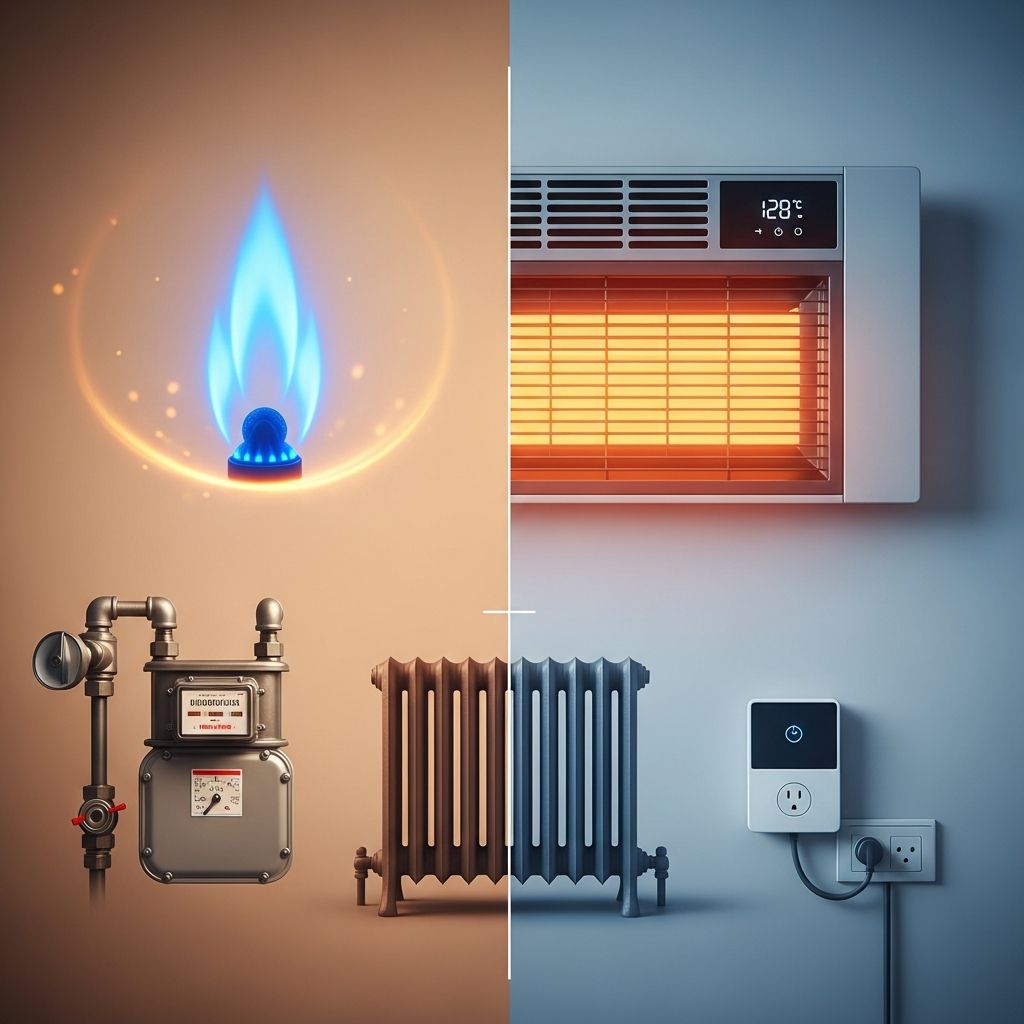
Gas vs Electric Heat: Which Is Cheaper for Your Home?
As winter approaches and energy bills climb, many homeowners face a critical decision: should they heat their homes with natural gas or electricity? This question has become increasingly complex in recent years as heating technology evolves and energy costs fluctuate across different regions. Understanding the true cost of each heating option requires examining not just the monthly bills, but also installation expenses, system efficiency, and long-term savings potential.
The answer to which heating method is cheaper depends on multiple factors including your geographic location, the type of heating system you choose, current energy prices in your area, and whether you opt for advanced technologies like heat pumps. While traditional wisdom suggested gas heating was universally cheaper, recent analysis reveals that modern electric heating systems—particularly heat pumps—can offer competitive or superior cost advantages in many situations.
Understanding the Cost Breakdown
To make an informed decision, homeowners must understand how heating costs are calculated and what factors influence the final bill. The cost of heating your home depends on three primary elements: the price of the fuel itself, the efficiency of your heating system, and the amount of energy required to maintain comfortable temperatures throughout the winter.
Average Winter Heating Costs
According to the Energy Information Administration’s winter fuels outlook for the 2024-2025 season, average heating costs for U.S. homeowners vary significantly by fuel type. Natural gas users expect to pay approximately $602 for the heating season from November through March, while electricity users are projected to pay $1,054. Propane users face higher costs at $1,189, and heating oil customers can expect $1,410. However, these figures require important context, as they don’t account for the efficiency differences between various heating technologies.
Electric Heat: Cost to Run
Electric heating systems vary dramatically in efficiency and operating costs. The national average electricity rate stands at 16.94 cents per kilowatt hour, though this varies substantially from state to state. Understanding the differences between various electric heating options is essential to determining actual costs.
Types of Electric Heating Systems and Their Annual Costs
The most common electric heating systems fall into two categories: traditional resistance heating and modern heat pumps. The cost differences between these options are substantial:
| Heating System | Cost per kWh | Annual Cost |
|---|---|---|
| Geothermal Heat Pump | $0.22 | $2,060 |
| Ductless Heat Pump | $0.22 | $2,197 |
| Ducted Heat Pump | $0.22 | $2,746 |
| Electric Baseboard | $0.22 | $5,932 |
Traditional electric resistance heating systems, such as baseboard heaters and older electric furnaces, are the most expensive option, with annual costs reaching nearly $6,000. These systems convert electricity directly to heat with virtually no efficiency gains, meaning you pay for every unit of electricity consumed.
The Heat Pump Advantage
Heat pumps represent a transformative technology in electric heating. Unlike resistance heating, which converts electricity to heat through resistance, heat pumps move existing heat from the outside air, ground, or water into your home. This process is remarkably efficient because the pump uses less energy to move heat than would be required to generate it directly.
According to the U.S. Department of Energy, ducted air-source heat pumps reduce energy consumption by approximately 50% compared to traditional electric resistance heating. More advanced geothermal heat pumps can reduce energy use by up to 60%. This efficiency difference translates directly to significantly lower operating costs. A home using a heat pump might spend $2,060 to $2,746 annually for heating, while the same home using electric baseboard heating could cost nearly $6,000.
Heat pumps are not limited to mild climates. Maine, known for its harsh winters, is leading the nation in heat pump installations, demonstrating that these systems perform effectively even in challenging climates. This growing adoption reflects both improving technology and the economic advantages heat pumps provide compared to traditional systems.
Gas Heat: Cost to Run
Natural gas heating has traditionally been the most economical heating option for most American homes. Gas furnaces and boilers convert natural gas into heat with reasonable efficiency, and gas rates have historically remained lower than electricity rates on a per-unit basis.
Types of Gas Heating Systems and Their Annual Costs
Gas heating systems typically include furnaces, boilers, and room heaters, each with slightly different operating costs:
| Heating System | Cost per Therm | Annual Cost |
|---|---|---|
| Natural Gas Boiler | $1.75 | $1,944 |
| Natural Gas Room Heater | $1.75 | $1,988 |
| Natural Gas Furnace | $1.75 | $2,164 |
The most common natural gas heating system is the forced-air furnace, which typically costs around $2,164 annually. Gas boilers, which distribute heat through water, cost approximately $1,944 annually. These costs remain significantly lower than traditional electric resistance heating, but the comparison becomes more complex when comparing gas systems to modern heat pumps.
Geographic Variation in Gas Costs
Natural gas affordability varies considerably across the United States. Analysis shows that natural gas heating is more cost-effective than ENERGY STAR heat pumps in 41 out of 50 states. This regional variation reflects differences in gas availability, infrastructure, and local energy markets. In areas with abundant natural gas resources or well-established distribution networks, gas heating remains the most economical choice. However, in regions with limited gas infrastructure or high gas prices, heat pumps may offer superior economics.
Installation and Upfront Costs
Comparing operating costs alone provides an incomplete picture. Homeowners must also consider substantial upfront installation expenses when choosing between heating systems.
Heat Pump Installation Costs
New heat pump installations typically range from $2,500 to $10,000 depending on your home’s square footage and the system’s complexity. Mini-split ductless heat pumps tend toward the lower end of this range, while whole-home ducted systems and geothermal heat pumps approach the higher end. If your home requires electrical upgrades to accommodate the increased power demand, expect additional costs of $2 to $4 per square foot for rewiring and capacity upgrades.
Gas Furnace Installation Costs
Natural gas furnace installation is considerably less expensive, typically ranging from $700 to $3,300. If your home currently lacks natural gas infrastructure, installation becomes more expensive, but existing gas users generally face minimal additional costs beyond the furnace purchase and basic installation labor.
Payback Period Analysis
While heat pump installation costs are higher, the monthly operating savings can recover this investment over time. In regions where electricity is relatively cheap compared to gas, heat pumps can reach payback periods of 5 to 10 years. However, in areas where gas remains significantly cheaper, gas furnaces may provide better economics over a 15 to 20-year system lifespan.
The Environmental Consideration
Beyond financial metrics, environmental impact influences many homeowners’ heating decisions. Natural gas heating does produce a lower carbon footprint than resistance electric heating, but the comparison with heat pumps is more nuanced. An ENERGY STAR natural gas furnace household can achieve a carbon footprint 19% lower than an ENERGY STAR heat pump household and 64% lower than a home using electric resistance heating. This environmental advantage reflects the current energy generation mix in many regions, though this advantage diminishes as electrical grids incorporate more renewable energy sources.
Comparing Operating Efficiency
Understanding efficiency requires comparing how much usable heat each fuel source produces per unit of energy consumed. Natural gas furnaces typically operate at 85% efficiency, meaning 85% of the fuel’s energy becomes usable heat while 15% escapes through vents.
Electric resistance heating operates at 100% efficiency—all electrical energy converts directly to heat. However, this apparent advantage is misleading because electricity generation itself is inefficient. Creating electricity at power plants and transmitting it to homes involves significant losses.
Heat pumps achieve remarkable efficiency by moving existing heat rather than generating new heat. A heat pump with a coefficient of performance of 3.0 delivers three units of heat for every unit of electrical energy consumed. This is why heat pumps consistently outperform traditional electric heating on an energy basis.
The Verdict: Which Should You Choose?
For most American homeowners, natural gas furnaces remain the most economical heating choice in the majority of states. The lower installation costs, existing infrastructure in many homes, and competitive operating expenses make gas heating an attractive option. However, this blanket conclusion requires important caveats.
When Gas Heating Makes Sense
Choose a natural gas furnace if your home already has gas infrastructure, if natural gas is abundant in your region, and if you have modest heating requirements. Gas heating is particularly economical for homeowners prioritizing lowest upfront costs and those in climates where heating seasons are moderate.
When Heat Pumps Are Superior
Heat pumps become the better choice if you’re willing to invest in higher upfront costs and your region has electricity prices competitive with gas on an efficiency-adjusted basis. Geothermal heat pumps, while expensive to install, can outperform even efficient gas boilers in moderate climates and provide superior comfort with consistent heating performance.
Heat pumps also make economic sense for homeowners planning to remain in their homes for 10+ years, those with access to time-of-use electricity rates that allow charging during cheaper off-peak hours, and those who can combine heat pump heating with solar electricity generation.
Regional Considerations and Energy Markets
Energy costs and availability vary dramatically across the United States. New England states like Maine face different economics than gas-abundant Texas or Oklahoma. Before making your decision, research local utility rates, inquire about available rebates and incentives for heat pump installation, and consider future energy price trends in your region.
Federal tax credits and state incentives increasingly favor heat pump installation, which can reduce upfront costs by 30% or more. These incentives can dramatically improve heat pump economics and should factor into your decision.
Frequently Asked Questions
Q: Are heat pumps effective in cold climates?
A: Yes, modern heat pumps work effectively in cold climates. Maine, known for harsh winters, leads the nation in heat pump adoption. Cold-climate heat pumps maintain performance in temperatures below freezing and deliver reliable heating throughout winter.
Q: How much can a heat pump reduce my heating costs?
A: Heat pumps can reduce heating energy use by 50% compared to electric resistance heating. Compared to gas furnaces, savings depend on your region’s electricity and gas prices, typically ranging from 20% to 50% in areas where electricity is reasonably priced.
Q: What is the typical lifespan of a heating system?
A: Most heating systems last 15 to 20 years with proper maintenance. This lifespan should be considered when calculating the total cost of ownership including installation, operation, and eventual replacement.
Q: Can I switch from gas to heat pump heating?
A: Yes, you can retrofit your home with a heat pump system. However, you may need electrical upgrades to handle the increased power demand, adding $2 to $4 per square foot to installation costs.
Q: Do heat pumps work with existing ductwork?
A: Ducted air-source heat pumps can often use existing furnace ductwork, reducing installation costs. If your home lacks ductwork, mini-split ductless heat pumps provide an alternative that doesn’t require extensive modifications.
Q: What financial incentives are available for heat pump installation?
A: Federal tax credits up to $2,000 are available for heat pump installation, and many states offer additional rebates. Check with your state energy office and local utilities for current incentive programs.
References
- Electric Heat vs Gas Heat: Which Is Cheaper? — Kiplinger. 2024. https://www.kiplinger.com/personal-finance/how-to-save-money/electric-heat-vs-gas-heat-which-is-cheaper
- True Cost of Energy Comparisons – Apples to Apples — Oklahoma State University Extension. https://extension.okstate.edu/fact-sheets/true-cost-of-energy-comparisons-apples-to-apples.html
- Natural Gas or a Heat Pump? Where You Live Matters — American Gas Association. 2024. https://www.aga.org/natural-gas-or-a-heat-pump-where-you-live-matters/
- Heating Your Home — U.S. Department of Energy. https://www.energy.gov/energysaver/heating-your-home
- 2024 Winter Fuels Outlook — Energy Information Administration. 2024. https://www.eia.gov/outlooks/steo/
Similar Articles








Read full bio of Sneha Tete