Garage Sale Setup & Display Tips for Maximum Sales
Master the art of garage sale displays with proven setup strategies and display techniques.
A successful garage sale goes far beyond simply throwing items on tables and hoping buyers will come. The way you set up and display your merchandise significantly impacts both the number of shoppers who visit and how much they ultimately spend. Strategic setup and thoughtful display techniques can transform a mediocre garage sale into a profitable event that attracts serious buyers and keeps them browsing longer.
The Importance of Strategic Setup and Display
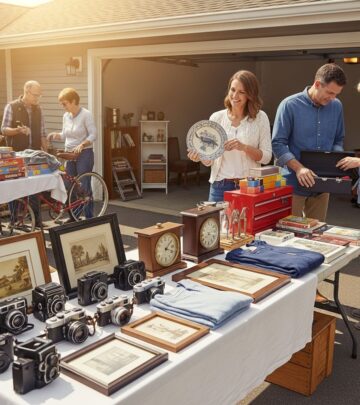
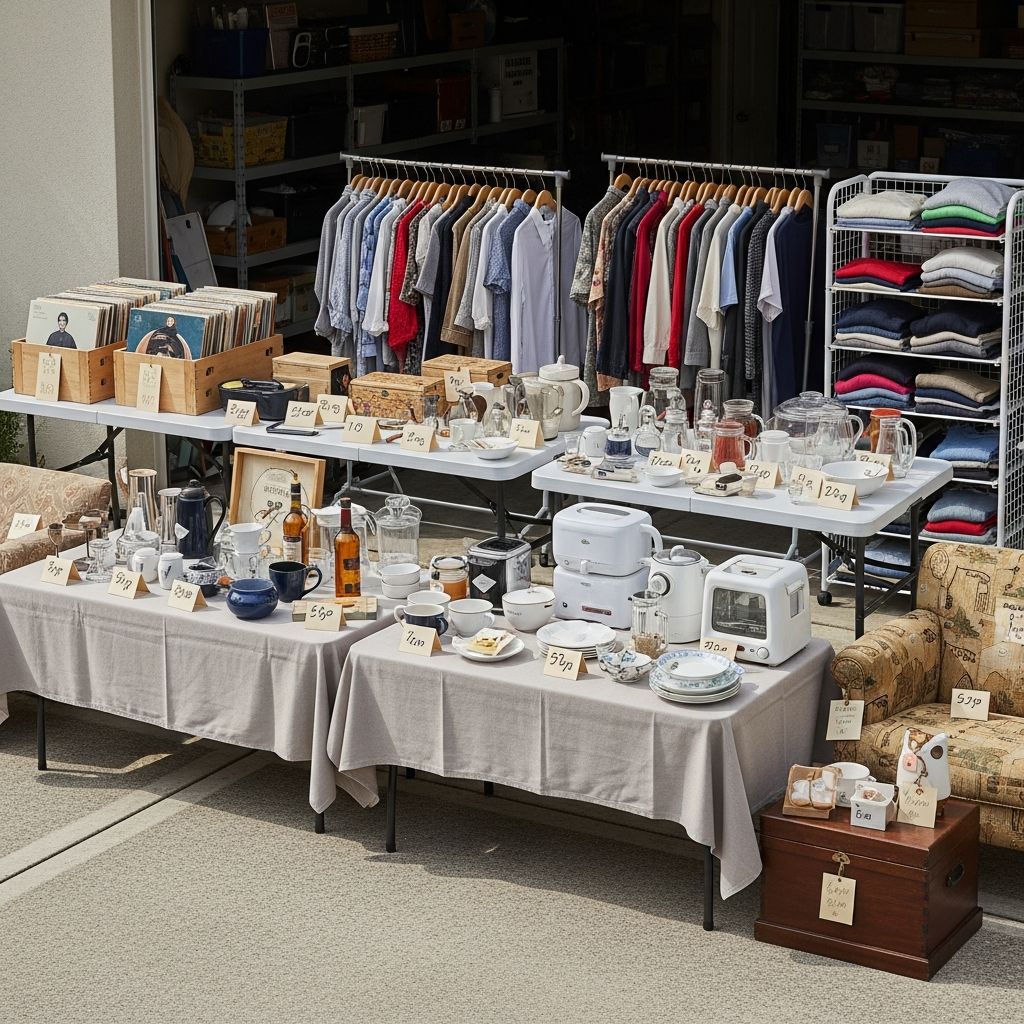
First-time garage sale hosts often underestimate the impact that presentation has on sales. When customers arrive at your garage sale, they form immediate impressions based on how items are displayed. A cluttered, disorganized sale with items piled haphazardly on the ground sends the message that your merchandise isn’t valuable and discourages browsing. Conversely, a well-organized sale with items displayed on tables, clothing racks, and shelves creates an inviting atmosphere that encourages customers to explore and purchase more items.
The psychology of retail applies equally to garage sales. Customers want to feel like they’re discovering treasures, not digging through junk. By investing time in thoughtful setup and display, you’re essentially creating a retail environment in your own driveway. This professional approach not only increases sales volume but also allows you to command better prices for your merchandise.
Essential Tables and Display Furniture
One of the most important decisions you’ll make when preparing for a garage sale is determining what furniture and fixtures you’ll use to display your items. Tables and shelving units are fundamental to a successful garage sale setup.
Types of Display Furniture
Tables are the backbone of any garage sale display. They elevate items off the ground, making them more visible and easier for customers to examine. Standard 6-foot or 8-foot tables provide ample display space without overwhelming the area. If you don’t own tables, consider borrowing from friends, family, or renting from hardware stores.
Clothing racks are essential if you’re selling apparel, as they allow customers to browse hanging clothes more easily than if they’re folded on tables. Customers appreciate the ability to sort through clothing without having to unfold every item. Clothing racks also maximize vertical space and create visual interest in your display.
Shelving units work well for displaying books, small electronics, decorative items, and collectibles. They help organize similar items together while keeping your sale area less cluttered. Even simple wire shelving or bookcases can dramatically improve your display’s professional appearance.
Hangers and clothes rods provide alternative ways to display clothing and textiles without requiring permanent fixtures. Even a simple rope strung between two points can serve as an effective clothing display system.
Organizing Items into Categories
Organization is critical to customer satisfaction and sales success. When shoppers can quickly find what they’re looking for without searching through unrelated items, they’re more likely to make purchases and spend more time at your sale.
Categorization Strategies
Group similar items together in logical categories such as:
- Kitchen and dining items
- Electronics and appliances
- Books and media
- Furniture
- Clothing (further organized by gender, size, and season)
- Toys and children’s items
- Sports and outdoor equipment
- Tools and hardware
- Decorative items and artwork
Beyond grouping by item type, consider organizing by color or theme. For example, create a “music corner” with instruments, CDs, and speakers together. This thematic approach creates visual interest and helps customers discover related items they might not have otherwise considered.
For clothing specifically, organize by gender and size with clearly labeled sections. This makes browsing significantly faster and prevents customers from wasting time looking through sizes or styles that don’t interest them.
Pricing Your Merchandise Effectively
Pricing strategy directly affects both your sales volume and profit margins. Too-high prices discourage buyers, while underpricing leaves money on the table.
Pricing Methods and Strategies
Individual pricing remains the most popular approach for garage sales. Use clear, visible price stickers or tags on each item. Most customers appreciate having a starting point for negotiation, even if they plan to haggle.
Bulk pricing works well for items that are similar or less valuable. Place multiple items of comparable price on a table with a single sign indicating the price (e.g., “All items $1”).
Color-coded pricing is an innovative approach where you mark items with colored stickers that correspond to a master price list. As the day progresses and you want to lower prices, you simply adjust the master list without re-tagging individual items.
Negotiable pricing for high-value items can generate interest, especially from serious buyers. However, establish reasonable price points as your starting offers.
Remember that garage sale shoppers are typically seeking bargains. Price items at 25-50% of their retail value to attract buyers while still making a profit on items that might otherwise remain unused.
Creating Customer Flow and Traffic Patterns
How customers move through your garage sale space significantly impacts their shopping experience and how much they purchase. Strategic layout design guides customers through your entire display while preventing bottlenecks.
Layout Best Practices
Create aisles and pathways by arranging tables in rows or a logical pattern that allows customers to move through your sale easily. Avoid long, continuous table arrangements that create a wall effect. Instead, stagger tables to create defined pathways.
Slow customer movement intentionally. By creating a slightly winding path through your sale space, you encourage customers to linger and examine more merchandise. However, avoid creating bottlenecks or dead ends that frustrate shoppers.
Position your best items prominently at the front of your sale to attract shoppers and draw them deeper into your display area. Eye-catching, valuable, or interesting items should be immediately visible when customers first arrive.
Place impulse purchase items near the checkout area. Inexpensive, fun, and small items near where you handle transactions catch customers’ attention during their final moments and often result in last-minute add-on purchases.
Create a free box near the curb. A well-marked “FREE” box positioned near the street draws people into your sale and generates goodwill. Even if people only take free items, they often return to your display to shop for priced merchandise.
Lighting and Visibility Considerations
Many garage sales suffer from inadequate lighting, which makes it difficult for customers to examine merchandise and reduces the appeal of items. Proper lighting significantly improves the shopping experience.
Lighting Solutions
Natural lighting is ideal when possible. Schedule your garage sale during daylight hours and avoid shadowy corners where merchandise becomes invisible. If you must hold a sale during early morning hours, consider opening slightly later to allow more natural light.
Work lights and portable lights can illuminate shaded areas or dark corners of your garage or display space. Clamp lights, spotlights, or string lighting can be positioned to highlight specific merchandise categories.
Remove items from the garage’s darkest areas if adequate lighting isn’t available. Position valuable or interesting merchandise in well-lit areas where customers can see them clearly.
Handling Small Items and Fragile Merchandise
Small items require special display consideration because they’re easily overlooked or damaged. Fragile merchandise needs protective measures to prevent breakage before and during the sale.
Small Item Display Techniques
Group small items together rather than spreading them across your entire display area. This concentration makes items more visible and prevents customers from missing them. Use risers, small shelves, or boxes to add height variation within your small item displays.
Create labeled bins or containers for small items of similar types. This organization helps customers quickly find what they’re seeking while reducing time spent searching through scattered merchandise.
Protect fragile items by wrapping them securely, placing them in protective containers, or grouping them on shelves where they’re less likely to be knocked over. Clearly label fragile items so customers handle them carefully.
For items with multiple components, keep pieces together and package them in original containers when possible. If original packaging isn’t available, box pieces together securely so customers understand all components are included.
Preparing Electronics and Appliances for Sale
Electronics present unique challenges at garage sales because customers want assurance that items function properly before purchasing. Proper preparation and display of electronics increases buyer confidence and sales.
Electronics Display and Testing
Test all electronics before your sale to ensure they function properly. Have extension cords readily available so customers can test items themselves. Position electrical items near power outlets or be prepared to provide extension cords.
Keep instruction manuals, original cords, chargers, and other accessories with their corresponding devices. Batteries should be on hand for items that require them, allowing potential buyers to test products immediately.
For items like old gaming systems, cameras, or other equipment, having accessories available significantly increases their appeal and selling price. A Nintendo Game Boy sells much better when functional batteries are available for testing.
Creating Visual Interest and Cohesion
Beyond basic organization, thoughtful display design creates visual interest that attracts shoppers and encourages browsing.
Display Design Principles
Use height variation. Arrange items at different heights using tables, shelves, risers, and stands. This creates visual interest and prevents a monotonous, flat appearance.
Incorporate color coordination. Group items by color or create displays with complementary colors. A well-coordinated display is more visually appealing than a random mixture of colors.
Establish themes. Beyond functional organization, create thematic displays that tell a story. A music theme with instruments, CDs, and speakers creates an engaging display. A “vintage kitchen” section with retro appliances and cookware appeals to themed shoppers.
Create focal points. Designate certain areas as display focal points by highlighting them with improved lighting, elevated positioning, or signage. Draw attention to your most valuable or interesting items.
Signage and Labeling
Clear, visible signage helps customers navigate your sale and find what they’re looking for. Well-designed signs also communicate professionalism and organization.
Types of Signage
Category signs clearly label each section of your sale (e.g., “Kitchen Items,” “Children’s Toys,” “Electronics”). These help customers quickly locate product categories.
Price signs indicate pricing for grouped items or special pricing promotions. Laminating signs prevents damage and keeps them looking professional throughout the day.
Feature signs highlight special deals or draw attention to valuable items. Signs proclaiming “Vintage Furniture,” “All Electronics $5,” or “Designer Clothes” encourage shoppers to explore those sections.
Directional signs guide customers from the curb or parking area to your sale location. These are typically placed on corners and major intersections near your home.
Pre-Sale Setup Timeline
Proper preparation in the days leading up to your garage sale ensures smooth setup and reduces last-minute stress.
Setup Schedule
Two to three days before: Pick up or borrow tables and clothing racks. Sort all items into categories. Print and laminate category signs if desired. For group sales, have participants drop off items and coordinate pricing and payment arrangements.
The day before: Finish pricing and categorizing all items. Set up tables and determine item placement. Stage displays in your garage or other secure location. Assemble items that will sell better when complete. Prepare your checkout area. Set your alarm for 30 minutes before the sale opens.
Sale morning: Move staged displays to your selling space. Ensure all items are visible and properly priced. Test electrical items and have extension cords ready. Set out refreshments for shoppers.
Essential Garage Sale Supplies
Gathering necessary supplies before your sale ensures smooth operations and professional appearance.
Cash handling: Get at least $75-100 in small bills and coins (two rolls of quarters, fifty $1 bills, ten $5 bills, five $10 bills) for making change.
Display items: Price stickers, tags, markers, masking tape, poster board, laminating sheets, and printed category signs organize and label merchandise effectively.
Customer convenience: Plastic bags, boxes, newspapers, and wrapping materials allow customers to transport purchases safely.
Transaction tools: Calculator, pen, money box or apron for carrying change, and cash handling supplies streamline the checkout process.
Practical items: Batteries for testing electronics, extension cords, tarps for weather protection, chairs for sellers, and hangers for clothing displays support sale operations.
Seasonal Considerations for Garage Sales
The time of year affects both garage sale success and necessary preparations. Winter garage sales present unique challenges but can be successful with proper planning.
In winter months, location becomes critical. Indoor venues like community centers, church halls, or even storage facilities may be preferable to outdoor driveways. Indoor locations protect merchandise from weather and provide climate control for shoppers, making the shopping experience more comfortable.
Winter sales attract buyers seeking specific seasonal items like space heaters, firewood, and warm clothing. Emphasize these items in your signage and advertising to attract winter shoppers.
Maximizing Sales and Customer Satisfaction
Beyond physical setup, several strategies maximize both sales volume and customer satisfaction.
Offer light refreshments. Coffee, donuts, or cookies create a friendly atmosphere and encourage customers to linger and browse longer.
Consider digital payment options. Posting Venmo, Zelle, or PayPal information allows customers to pay electronically, expediting checkout and potentially increasing sales from buyers who prefer cashless transactions.
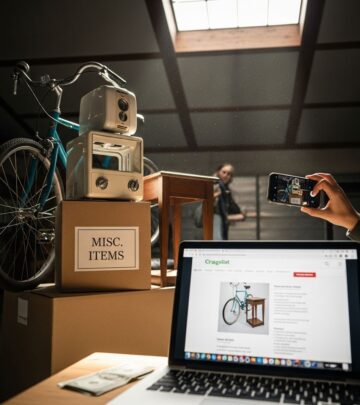
Document your sale. Take photos of your setup and update online listings to showcase your organized display. Potential customers messaging with questions can see exactly what you have available.
Implement early bird pricing. Some garage sale hosts offer slight discounts to early shoppers who arrive before the official opening time, generating immediate sales momentum and encouraging others to arrive early.
Frequently Asked Questions (FAQs)
Q: How far in advance should I set up my garage sale tables?
A: Set up tables and stage displays the night before your sale if possible. This allows you to arrange items optimally and start your sale morning by simply moving staged displays to their final location, saving valuable time.
Q: What’s the best way to display clothing at a garage sale?
A: Use clothing racks or hangers whenever possible, organizing by gender, size, and season. Customers can browse hanging clothes much more easily than wading through folded items on tables.
Q: How should I price items for a garage sale?
A: Price items at 25-50% of retail value. Use individual price stickers for most items, consider bulk pricing for similar items, or try color-coded pricing systems that allow easy price adjustments throughout the day.
Q: What supplies are essential for a successful garage sale?
A: Essential supplies include tables or shelving, price stickers and markers, plastic bags for customers, adequate cash for making change, extension cords for testing electronics, and signs labeling categories and prices.
Q: How can I improve customer flow through my garage sale?
A: Arrange tables to create clear aisles and pathways. Stagger tables to slow customer movement intentionally without creating bottlenecks. Place your best items upfront to draw customers deeper into your display area.
Q: Should I light my garage sale area?
A: Yes, proper lighting is important. Schedule your sale during daylight hours when possible, and use work lights or spotlights to illuminate shaded areas where merchandise becomes difficult to see.
References
- Ultimate How to Have a Yard Sale Guide — Instructables. https://www.instructables.com/Ultimate-How-to-have-a-Yard-Sale-Guide/
- The Ultimate Garage Sale Checklist (With Printables!) — The Homes I Have Made. https://thehomesihavemade.com/the-ultimate-garage-sale-prep-kit-a-free-printable/
- Garage sale checklist: How to have a successful yard sale — Get Rich Slowly. https://www.getrichslowly.org/yard-sale-checklist-garage-sale-tips/
- 13 Easy Ways to Prepare for a Garage Sale — Extra Space Storage. https://www.extraspace.com/blog/home-organization/how-to-prepare-for-a-garage-sale/
Similar Articles








Read full bio of Sneha Tete