Gap Insurance with Full Coverage: Essential or Extra?
Uncover whether gap insurance adds real value to your full coverage policy and when it truly protects your finances.
Full coverage auto insurance provides robust protection against a wide range of risks, but it may leave financial gaps for owners of financed or leased vehicles. Gap insurance steps in to bridge those gaps, particularly when a car’s market value falls below the outstanding loan balance after a total loss.
Understanding the Basics of Auto Insurance Layers
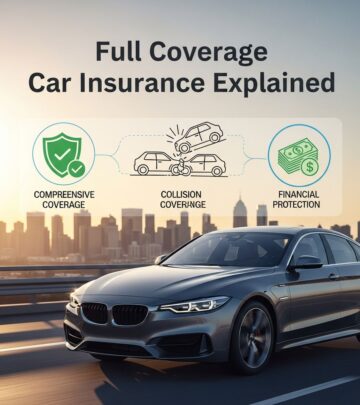
Auto insurance policies come in various forms, each serving distinct purposes. At its core, every driver needs liability coverage to protect against damages caused to others. Beyond that, full coverage typically bundles collision and comprehensive protections, covering repairs or replacements for your own vehicle in accidents, thefts, or other incidents.
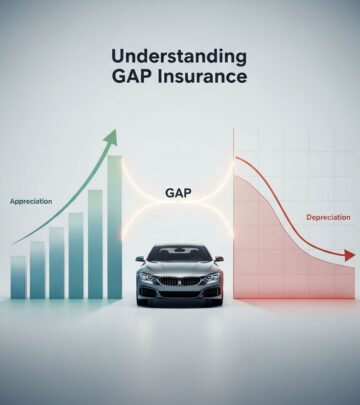
However, these standard policies payout based on the vehicle’s actual cash value (ACV)—its depreciated market worth at the time of loss. New cars depreciate rapidly, often losing 20-30% of value in the first year, creating a potential shortfall if you owe more on your loan than the ACV.
What Exactly Is Gap Insurance?
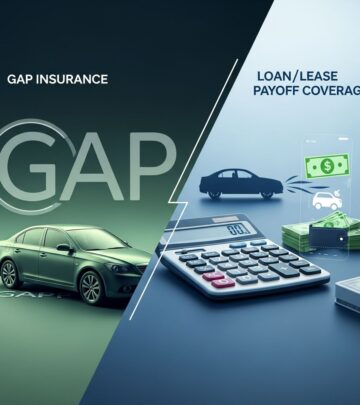
Guaranteed Asset Protection, or gap insurance, is a specialized add-on that covers the difference between your insurance payout (ACV) and the remaining principal on your auto loan or lease. For example, if your car is worth $25,000 but you owe $30,000 when it’s totaled, gap insurance pays the $5,000 difference, sparing you out-of-pocket costs.
This coverage activates only in total loss scenarios, such as when repair costs exceed 70-80% of the vehicle’s value or in cases of theft without recovery. It does not cover partial damages, mechanical failures, or routine maintenance—those fall under your primary policy.
Full Coverage vs. Gap Insurance: Key Distinctions
While full coverage handles most vehicle-related claims, it stops at ACV. Gap insurance complements it by addressing loan-specific risks. The table below highlights their differences:
| Feature | Full Coverage | Gap Insurance |
|---|---|---|
| Coverage Scope | Repairs, replacement up to ACV; liability, collision, comprehensive | Difference between ACV and loan/lease balance |
| Total Loss Payout | Market value only | Remaining loan amount |
| Partial Damage | Yes, covers repairs | No |
| Legal Requirement | Liability often required; full by lenders | No, but lender-recommended |
| Depreciation Protection | Limited to ACV | Directly covers depreciation gap |
These distinctions show why gap insurance isn’t redundant—it’s a targeted safeguard for financed driving.
High-Risk Scenarios Where Gap Shines
- New or Financed Vehicles: With low down payments (under 20%), you’re often upside-down on the loan early on. Lenders financing 80-90% of value frequently suggest gap.
- Long-Term Loans: 60-84 month terms mean slower equity buildup, prolonging the period where owed > value.
- Leased Cars: Leases demand returning the vehicle in good condition; a total loss leaves you liable for the full residual value minus ACV.
- Fast-Depreciating Models: Luxury or electric vehicles can drop value quicker, amplifying the gap risk.
In these cases, a total loss could otherwise force payments on a car you no longer have, straining finances.
Is Gap Insurance Mandatory?
No state law requires gap insurance, unlike minimum liability. However, many auto lenders and lessors mandate full coverage and strongly urge or require gap for high-loan-to-value ratios. Check your loan agreement—non-compliance might breach terms, risking repossession or higher rates.
Costs and Value Analysis
Gap insurance typically costs $20-40 annually as a policy add-on, or $500-700 as a one-time dealer fee. Standalone policies from insurers are often cheaper than dealership markups, which can exceed 50% profit.
Consider this cost-benefit: For a $30,000 loan with $25,000 ACV at loss, paying $500 upfront avoids $5,000 debt. Return on investment is clear for at-risk drivers, but unnecessary if you’ve built substantial equity (e.g., owe less than 80% of value).
Alternatives to Traditional Gap Coverage
Not ready for gap? Explore these options:
- Larger Down Payment: 20%+ upfront reduces initial loan, minimizing upside-down risk.
- Loan Term Limits: Opt for 48-60 months to build equity faster.
- New Car Replacements: Some policies offer this rider, paying to replace with a new vehicle instead of ACV.
- Debt Cancellation Waivers: Credit unions or lenders may offer similar protection at lower cost.
- Self-Insurance Fund: Save monthly gap premiums in a dedicated account for potential shortfalls.
Weigh these against your risk tolerance and finances.
Common Myths About Gap and Full Coverage
Myth 1: Full coverage alone suffices for financed cars. Reality: It ignores depreciation gaps.
Myth 2: Gap covers all losses. Reality: Only total losses; excludes deductibles or negative equity from prior rollovers.
Myth 3: Dealer gap is always best. Reality: Shop insurers for better rates and broader terms.
When to Skip Gap Insurance
- Paid-off vehicles: No loan, no gap.
- High equity: Owe significantly less than ACV.
- Short-term loans nearly paid: Minimal remaining balance.
- Classic or low-value cars: Depreciation less impactful.
Run an equity check: Divide loan balance by purchase price. Below 80%? Gap may be skippable.
How to Purchase and Maximize Gap Benefits
Options include:
- Auto Insurer Add-On: Cheapest, integrates with full coverage.
- Dealership/Finance Company: Convenient but pricier; review for exclusions like business use.
- Credit Unions/Banks: Competitive for members.
Key policy checks: Covers negative equity? Pays lender directly? Excludes salvage titles? Compare quotes from 3+ providers.
Real-World Examples Illustrating the Gap
Scenario 1: Sarah buys a $35,000 SUV with 10% down, 72-month loan. Year 2 accident totals it at $26,000 ACV, but she owes $28,500. Gap pays $2,500.
Scenario 2: Mike leases a sedan; theft occurs. ACV $22,000 vs. $24,000 lease payoff. Gap clears the difference, avoiding penalties.
These highlight everyday risks for millions of financed drivers.
Frequently Asked Questions (FAQs)
Does full coverage include gap insurance?
No. Full coverage pays ACV; gap covers loan excess.
Can I buy gap after purchase?
Yes, anytime, but earlier is cheaper before equity builds.
Is gap worth it for used cars?
Often less so, as they depreciate slower post-initial drop.
What if I have multiple loans rolled over?
Some policies exclude prior negative equity; read terms.
Does gap cover deductibles?
Typically no—check for ‘loan/lease payoff’ full coverage variants.
Final Thoughts on Protecting Your Investment
Gap insurance isn’t for everyone, but for those financing with minimal down or long terms, it provides critical peace of mind. Pair it with full coverage for layered defense against total loss pitfalls. Assess your loan-to-value ratio annually and adjust as equity grows. Smart drivers stay proactive, avoiding surprise debts after misfortune.
References
- Do I Need Gap Insurance If I Have Full Coverage? — LA Insurance. 2023. https://lainsurance.com/blog/do-i-need-gap-insurance-if-i-have-full-coverage
- Do You Need Gap Insurance With Full Coverage? — The General Insurance. 2024. https://www.thegeneral.com/going-places/blog/car-insurance/do-i-need-gap-insurance-with-full-coverage/
- What is GAP Insurance: A Comprehensive Guide — Bachrodt Chevy. 2024. https://www.bachrodtchevy.com/what-is-gap-insurance-a-comprehensive-guide.html
- Gap Insurance vs. Auto Insurance — TSL Insurance. 2023. https://www.tslins.com/gap-insurance-vs-auto-insurance/
- Is Gap Insurance Worth It? — OC Federal Credit Union. 2024. https://www.ocfederal.com/blog/is-gap-insurance-worth-it/
Similar Articles








Read full bio of Sneha Tete