Understanding Gap Insurance Refunds: Complete Guide
Learn when you qualify for gap insurance refunds and how to claim them.

Gap insurance provides financial protection when a vehicle depreciates faster than loan repayment occurs. However, circumstances often change—you may sell your car, refinance your loan, or simply no longer need the coverage. When this happens, understanding your refund options becomes essential. This comprehensive guide explains how gap insurance refunds work, your eligibility criteria, and the steps required to recover your unused coverage costs.
Defining Gap Insurance Refunds and Their Purpose
A gap insurance refund represents compensation for the unused portion of your coverage when you cancel the policy before its designated expiration date. This refund mechanism acknowledges that you’ve paid for protection you no longer require. The refund amount depends primarily on how much coverage time remains on your policy and how you originally paid for the insurance.
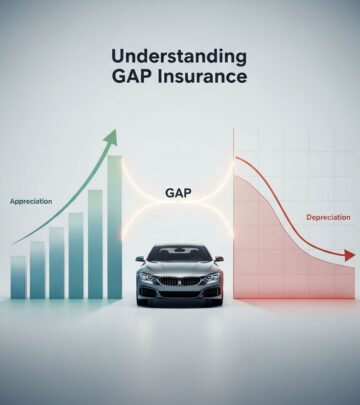
Gap insurance itself addresses a specific financial vulnerability: the gap between your vehicle’s actual cash value and the outstanding balance on your auto loan. When a car is totaled or significantly damaged, insurance typically reimburses only the vehicle’s current market value, which may be substantially less than what you still owe. Gap insurance covers this difference, protecting you from owing money on a vehicle you can no longer use.
Understanding whether you have a gap insurance policy is the first critical step. Some drivers purchase gap insurance as a standalone product from their insurance company, while others obtain it through their vehicle dealership or have it bundled with their auto loan. Identifying your coverage type determines how you’ll proceed with cancellation and refund requests.
Payment Method Impact on Refund Eligibility
How you originally paid for gap insurance significantly influences both your refund eligibility and the refund amount you’ll receive. The two primary payment structures—lump sum and monthly installments—create distinctly different scenarios.
Lump Sum Payment Arrangements
When you pay for gap insurance upfront as a single payment, typically covering six months or an entire year, you establish the strongest case for a refund. If you cancel before your paid coverage period expires, you’re entitled to recover a prorated portion representing the unused months. For example, purchasing an annual policy in January and canceling after three months qualifies you for a nine-month refund.
The calculation is straightforward: divide your total premium by the number of months you purchased, then multiply by the remaining unused months. This mathematical approach ensures fairness by returning the cost allocated to coverage you didn’t utilize.
Monthly Payment Structures
Monthly payment arrangements operate under different refund principles. If you’ve been making regular monthly premium payments and decide to cancel, your refund eligibility depends on precisely when you submit your cancellation request within the billing cycle. Canceling early in your billing period may entitle you to a partial refund for the remaining days of that month. However, canceling late in the billing cycle typically results in no refund, as you’ve already paid for most or all of that month’s coverage.
This timing sensitivity makes the cancellation date crucial when you make monthly payments, unlike lump sum arrangements where the refund calculation remains consistent regardless of cancellation timing.
Circumstances Qualifying You for Gap Insurance Refunds
Not every insurance cancellation qualifies for a refund. Specific situations establish legitimate grounds for requesting your money back.
- Vehicle Sale or Trade-In: When you sell your vehicle or trade it in for another car, your gap insurance becomes unnecessary since the original loan is paid off through the transaction proceeds.
- Loan Payoff: If you receive an inheritance, bonus, or use savings to pay off your auto loan entirely, the gap between loan and vehicle value no longer exists, eliminating the need for gap coverage.
- Auto Loan Refinancing: Refinancing your vehicle loan with a different lender or terms pays off your original loan, creating a new loan agreement that may not require or already include gap insurance through different terms.
- Policy No Longer Needed: As your loan balance decreases relative to your vehicle’s value over time, the financial gap narrows, potentially reaching a point where gap coverage becomes unnecessary.
- Early Cancellation Within Free Look Period: Many states mandate a “free look” period, typically 30 days from purchase, during which you can cancel gap insurance and receive a full refund without penalties.
Situations That Prevent Refund Eligibility
Certain circumstances eliminate your refund eligibility entirely. Understanding these limitations prevents disappointment when requesting your cancellation refund.
The most significant restriction involves using your gap insurance coverage. If your vehicle has been totaled, stolen, or destroyed, and you’ve filed a claim that resulted in a payout, you cannot receive a refund for the remaining policy period. The coverage has served its intended purpose, and the remaining premium is considered consumed.
Additionally, if your policy period has already expired or you’ve canceled within a designated cutoff window established by your insurance provider or state regulations, you may no longer qualify for a refund.
The Cancellation Process: Step-by-Step Procedure
Successfully canceling gap insurance and obtaining your refund requires following specific procedural steps. This structured approach minimizes delays and ensures proper documentation.
Step One: Initiate Contact With Your Provider
Your first action involves reaching out to whoever issued your gap insurance. For policies purchased directly from insurance companies, contact your insurer via phone, email, online portal, or mobile app. If you obtained gap insurance through your vehicle dealership, contact the dealership’s finance office. Those with policies tied to their auto loan should reach out to their lending institution.
Each provider maintains specific procedures and documentation requirements, so asking about required materials during this initial contact streamlines the entire process.
Step Two: Gather Required Documentation
Insurance providers require specific documentation before processing your cancellation and refund request. Standard requirements typically include:
- Your gap insurance policy number and original policy contract
- Proof of the qualifying circumstance (vehicle sale documentation, loan payoff letter, or refinance paperwork)
- Identification verification matching your policy account
- Current vehicle information and odometer reading in some cases
- Banking information or credit card details for refund payment delivery
Providing complete and accurate documentation from the start prevents unnecessary follow-up requests and accelerates processing.
Step Three: Submit Your Cancellation Request
Submit your cancellation request along with all required documentation through your provider’s specified channels. Maintain copies of everything you submit and request written confirmation of receipt. This documentation proves you initiated the cancellation process and protects you if disputes arise regarding processing timelines.
Step Four: Monitor Processing and Follow Up
Processing timelines vary significantly based on your provider and policy type. Check your account status periodically and follow up if your refund doesn’t arrive within the expected timeframe. Having your cancellation confirmation allows you to reference specific information during follow-up communications.
Processing Timelines and Refund Delivery Methods
Gap insurance refunds don’t appear instantaneously. Understanding typical processing periods helps you establish realistic expectations.
| Provider Type | Typical Processing Timeline | Factors Affecting Speed |
|---|---|---|
| Direct Insurance Company | 4-6 weeks | Policy complexity, documentation completeness |
| Dealership Administration | 6-12 weeks | Multiple party coordination, internal procedures |
| Lender Administration | 4-8 weeks | Loan account complexity, verification processes |
Your refund typically arrives through your original payment method. If you paid via credit card, the refund appears as a credit on your account. Bank account payments result in direct deposits to your checking or savings account. Some providers offer the option to apply your refund as a credit toward future insurance premiums rather than receiving cash back.
Refund Calculation Methodology
Understanding how insurance companies calculate your refund amount helps you verify that you’re receiving the correct amount.
For lump sum payments, the calculation divides your total premium by the number of months purchased, yielding a monthly rate. Multiply this monthly rate by your remaining unused months to determine your refund. For example: if you paid $600 for 12 months of coverage ($50 monthly), and cancel after 3 months with 9 months remaining, your refund equals $450.
Monthly payment policies use a different approach. Your provider examines the payment date, cancellation date, and current billing cycle to determine whether any portion of your current month qualifies for refund. Most commonly, you receive nothing from past months and potentially a small prorated refund for the current month if you cancel early enough in the billing cycle.
State-Specific Regulations and Considerations
Gap insurance regulations vary by jurisdiction, affecting your refund rights and timelines. Some states mandate specific free-look periods or refund requirements that supersede standard industry practices.
Wisconsin, for example, requires full refunds for policies canceled within 30 days of purchase, prohibiting administrative fees from reducing the refund amount. Other states establish longer free-look windows or mandate specific processing timelines that providers must meet.
Before initiating cancellation, research your state’s gap insurance regulations or consult your policy documents, which should outline state-specific provisions affecting your refund.
Common Questions About Gap Insurance Refunds
- Can I cancel gap insurance at any time?
- Generally yes, but your refund eligibility depends on your policy terms and state regulations. Most policies allow cancellation before expiration, though some establish cutoff dates. Check your policy documents or contact your provider to confirm cancellation windows.
- Will I receive my full premium back?
- Only if you cancel during your state’s mandatory free-look period. Otherwise, expect a prorated refund reflecting unused coverage months.
- What happens if I forget to cancel when selling my car?
- Contact your provider immediately when you remember. Some providers process cancellations retroactively to your sale date, while others begin refunds from the cancellation request date. Documentation of your sale date strengthens your case for retroactive processing.
- Can I transfer gap insurance to a new vehicle?
- Most providers don’t allow transfers. Instead, cancel your existing policy and obtain new gap insurance if your new vehicle loan requires it.
- Do I pay cancellation fees?
- Standard cancellation typically doesn’t include fees, but some policies or states allow administrative fees to be deducted from your refund. Review your policy terms to understand fee provisions.
Maximizing Your Refund: Best Practices
Several actions enhance your refund experience and ensure timely payment:
- Maintain organized records of your gap insurance policy, premium payments, and any correspondence with your provider
- Cancel promptly when circumstances change to maximize your unused coverage period
- Gather all required documentation before contacting your provider to avoid processing delays
- Request written confirmation of your cancellation request and expected refund timeline
- Set calendar reminders to follow up if your refund doesn’t arrive within the stated processing period
- Verify your refund appears correctly in your account rather than assuming automatic processing
Conclusion: Taking Control of Your Gap Insurance Finances
Gap insurance refunds represent your contractual right to recover costs for unused coverage. By understanding your eligibility, following proper cancellation procedures, and knowing your state’s specific regulations, you can navigate the refund process confidently. When circumstances eliminate your need for gap coverage, prompt action combined with thorough documentation ensures you recover your entitled refund efficiently. Whether you’ve sold your vehicle, refinanced your loan, or simply no longer need protection against loan-value gaps, the refund process becomes straightforward once you understand its mechanics and your specific situation qualifies for reimbursement.
References
- How to Cancel Gap Insurance and Get a Refund — Experian. https://www.experian.com/blogs/ask-experian/gap-insurance-refund/
- Cost & Value: Gap Insurance Refunds and Cancellation — Hotaling Insurance. https://hotalinginsurance.com/gap-insurance/cost-value-gap-insurance-refunds-and-cancellation-what-to-know
- How Do You Get a Gap Insurance Refund After Refinancing? — SoFi. https://www.sofi.com/learn/content/gap-insurance-refund-after-refinancing/
- When Can You Get a GAP Insurance Refund? — Capital One. https://www.capitalone.com/cars/learn/managing-your-money-wisely/when-can-you-get-a-gap-insurance-refund/1561
- What is a GAP Refund? — RefiJet. https://www.refijet.com/blogs/what-is-a-gap-refund
Similar Articles








Read full bio of Sneha Tete