Gap Insurance Purchase Timeline: What You Need to Know
Learn the critical timeframe for purchasing gap insurance and protect your vehicle investment today.

Understanding Gap Insurance Purchase Timeframes
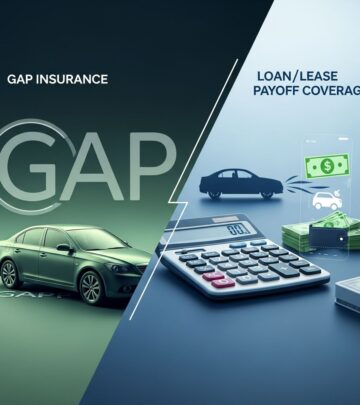
Gap insurance is a valuable form of coverage that protects you from the financial burden of owing more on your vehicle loan or lease than the car is actually worth. However, many vehicle owners don’t realize that there are specific timeframes within which you must purchase gap insurance after buying or leasing a vehicle. Understanding these windows of opportunity is crucial to ensuring you have the protection you need when you need it most.
The timeframe for purchasing gap insurance typically depends on whether you’re buying through a dealership, adding coverage through your insurance company, or considering a lease. Each option comes with its own deadline, and missing these windows could mean losing the opportunity to protect yourself from significant financial losses.
The 30-Day Window for Adding Gap Insurance to Your Policy
One of the most important timeframes to know about is the 30-day window offered by many auto insurance companies. This provision allows you to add gap insurance to your existing auto policy within 30 days of adding a vehicle to your coverage. This is a critical deadline because gap insurance cannot be added more than 30 days after you add the car to your policy with most insurers.
This 30-day timeframe applies specifically when you’re purchasing gap insurance through your insurance company rather than at the dealership. If you want to add this coverage through your insurer, you’ll need to act quickly after purchasing or leasing your vehicle. Waiting beyond this window means you’ll lose the opportunity to add gap insurance through your regular auto insurance provider, and you may be forced to explore other, potentially more expensive options.
Gap Insurance at the Point of Purchase
When you purchase or lease a vehicle at a dealership, you often have the option to purchase gap insurance immediately as part of your financing agreement. This is typically the easiest time to add gap insurance because it can be bundled directly into your loan or lease payment. Many dealerships will automatically include gap insurance in your financing package, though you have the right to decline this coverage.
The advantage of purchasing gap insurance at the dealership is that there’s no restrictive timeframe—you can add it right at the point of sale. However, dealership gap insurance often comes with a higher price tag because the cost is financed into your loan, meaning you’ll pay interest on the coverage. This is why many financial experts recommend comparing dealership pricing with your insurance company’s rates before making a decision.
Why Timing Matters for Gap Insurance
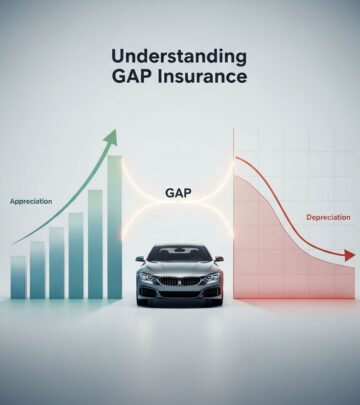
Understanding why these timeframes exist is important for making informed decisions about your coverage. New vehicles depreciate rapidly, losing approximately 20 percent of their value within the first year of purchase. This means the gap between what you owe and what your vehicle is worth grows quickly if you have a small down payment or a long-term financing agreement.
The sooner you purchase gap insurance after buying your vehicle, the sooner you’re protected against this depreciation risk. Acting within these timeframes ensures you have continuous coverage from the time you purchase your vehicle, protecting you from the moment the depreciation begins.
Situations Where Gap Insurance Is Most Important
Gap insurance becomes especially valuable in certain circumstances, and understanding these situations can help you prioritize purchasing coverage within the allowed timeframe:
- Small Down Payments: If you made a down payment of less than 20 percent, the gap between your loan and your vehicle’s value is substantial. You should prioritize purchasing gap insurance quickly.
- Long-Term Financing: Loans exceeding 60 months create larger gaps between what you owe and your car’s value. Act within the 30-day window to secure coverage.
- Vehicle Leases: Gap insurance is generally required for leases, and you’ll want to ensure you have coverage from day one.
- Fast-Depreciating Vehicles: Some vehicles lose value faster than average, making gap insurance essential to add promptly.
Purchasing Gap Insurance Through Your Insurance Company
When buying gap insurance through your auto insurance company, remember the critical 30-day deadline. To take advantage of this timeframe, contact your insurance agent immediately after purchasing your vehicle. You’ll need to provide information about your new vehicle, the loan amount, the down payment you made, and the financing terms.
Adding gap insurance through your insurance company typically costs between $20 and $40 annually, which is significantly less expensive than dealership options. For this reason, many insurance experts recommend checking with your insurance provider before accepting gap insurance from the dealership.
When purchasing through your insurance company, ensure you’re adding the coverage to your policy correctly and understand what the endorsement covers. Some policies may have specific limitations or exclusions you should be aware of.
Dealership Gap Insurance Options
If you purchase gap insurance at the dealership, you don’t face the same 30-day restriction. However, dealership gap insurance typically costs between $200 and $700 as a one-time fee. Since this cost is usually financed into your loan, you’ll end up paying interest on the coverage, making it more expensive in the long run.
Despite the higher cost, some buyers prefer dealership gap insurance because they don’t have to worry about missing a deadline. The coverage is automatically included in your financing, ensuring you have protection from day one. Just remember that you can decline dealership gap insurance if you prefer to purchase it through your insurance company instead.
What Happens if You Miss the Purchase Window
If you miss the 30-day window for adding gap insurance through your insurance company, you won’t be able to add it to your policy after that deadline has passed. In this situation, your options become limited. You might need to explore specialized gap insurance providers or reconsider your coverage needs based on your current loan-to-value ratio.
However, it’s worth noting that as you pay down your loan and your vehicle depreciates at a slower rate, the gap between what you owe and what your car is worth will eventually close. This typically takes about two years. At that point, gap insurance becomes less necessary because you’ll owe less than your vehicle is worth.
Canceling Gap Insurance When It’s No Longer Needed
Understanding when to cancel gap insurance is just as important as knowing when to purchase it. Once your loan balance drops below your vehicle’s market value, you can cancel gap insurance and potentially save money on your annual premiums. Most drivers can drop this coverage after approximately two years of ownership, though this timeline varies based on your down payment amount, financing terms, and how quickly your vehicle depreciates.
To determine if you still need gap insurance, compare what you owe on your loan with current market value estimates using online car value guides. When the car’s value exceeds what you owe, it’s time to contact your insurer and request cancellation. Make sure to get written confirmation of the cancellation to avoid paying for coverage you no longer need.
Special Considerations for Leased Vehicles
If you’re leasing a vehicle rather than purchasing, gap insurance considerations are slightly different. Gap insurance is generally required for leases, and you’ll typically add this coverage at the time you sign your lease agreement. The leasing company will often offer gap insurance as part of the lease package, and you must have it in force throughout the lease term.
Because gap insurance is often mandatory for leases, you should understand your options before signing your lease agreement. Ask the leasing company about their gap insurance requirements and whether you can purchase coverage through your insurance company instead of the lessor. This could potentially save you money compared to the dealership’s pricing.
Comparing Costs and Coverage Options
| Purchase Option | Cost | Timeframe | Key Benefit |
|---|---|---|---|
| Insurance Company | $20-$40 annually | Within 30 days of adding vehicle | Most affordable annual option |
| Dealership (Financed) | $200-$700 + interest | At point of purchase | Immediate coverage; no deadline |
| Specialized Providers | Varies | Depends on provider | Flexible options if deadline missed |
Key Exclusions and Limitations
Before purchasing gap insurance, it’s important to understand what’s not covered. Gap insurance excludes coverage for routine maintenance, regular wear and tear, and mechanical breakdowns. The coverage only applies when your vehicle is declared a total loss due to theft or an accident.
Additionally, most gap insurance policies won’t cover certain charges related to your loan, such as overdue payments, unpaid finance charges, warranty costs, balloon payments, or deductibles you must pay out of pocket. Understanding these exclusions helps you know exactly what protection gap insurance provides and ensures you’re not expecting coverage for situations the policy doesn’t address.
Requirements for Gap Insurance Coverage
To qualify for gap insurance, you must meet certain requirements. Typically, your vehicle must have comprehensive and collision auto insurance coverage in place. These are the standard coverages that pay for damage to your vehicle in accidents and other incidents. Gap insurance functions as a supplement to these standard coverages, paying the difference between what your standard insurance pays and what you still owe on your loan.
Additionally, your vehicle must be financed or leased rather than paid in full. Gap insurance is designed to protect people with outstanding loans or active leases, so it’s not applicable to vehicles owned outright without financing obligations.
Steps to Purchase Gap Insurance
To successfully purchase gap insurance within the appropriate timeframe, follow these steps:
- Contact your insurance company within 30 days of purchasing or leasing your vehicle
- Provide your vehicle’s information, including make, model, year, and vehicle identification number
- Share your loan or lease details, including the amount financed and terms
- Request a quote for gap insurance coverage
- Compare the quote with any dealership options if applicable
- Add gap insurance to your policy as an endorsement if it meets your needs
- Receive confirmation of coverage in writing
Frequently Asked Questions About Gap Insurance Timeframes
Q: Can I purchase gap insurance anytime after buying my car?
A: Not through your insurance company. Most insurers allow gap insurance to be added only within 30 days of adding a vehicle to your policy. However, you can purchase gap insurance directly from the dealership at the time of purchase without a time restriction.
Q: What if I already own my car and want to add gap insurance?
A: If you’ve owned your car for more than 30 days, you cannot add gap insurance through your regular insurance company. However, you may be able to purchase specialized gap insurance from other providers, though this typically costs more and may have limited availability.
Q: Is gap insurance required by law?
A: Gap insurance is not required by any state or insurer, though some leasing companies and dealerships may require it as part of their financing terms. Check your lease or loan agreement to see if gap insurance is mandatory.
Q: Can I negotiate the price of gap insurance at the dealership?
A: Yes, dealership gap insurance pricing may be negotiable. Before accepting their offer, compare it with your insurance company’s rates to ensure you’re getting the best deal.
Q: When should I cancel gap insurance?
A: You should cancel gap insurance once you owe less than your vehicle’s market value, which typically occurs after about two years. Contact your insurer to cancel and avoid paying for coverage you no longer need.
Q: Do I need gap insurance for a used car?
A: Gap insurance is primarily recommended for new vehicles due to rapid initial depreciation. Used cars typically depreciate more slowly, so the gap between what you owe and the vehicle’s value may be smaller.
Q: Can I add gap insurance to an existing policy after 30 days?
A: No, most insurance companies will not add gap insurance to an existing policy after the 30-day window has closed. This is why acting quickly after purchasing your vehicle is crucial.
References
- Gap Insurance — NJM Insurance. 2025. https://www.njm.com/insurance/auto/gap-insurance
- Do you need gap insurance for your car? How does it work? — Texas Department of Insurance. 2025. https://www.tdi.texas.gov/tips/gap-insurance.html
- Comprehensive Guide to GAP Car Insurance: What You Need to Know — Bachrdt Chevrolet. 2025. https://www.bachrodtchevy.com/what-is-gap-insurance-a-comprehensive-guide.html
- Understanding Car Gap Insurance — AAA. 2025. https://www.acg.aaa.com/connect/insurance/understanding-car-gap-insurance
- What Is Gap Insurance and How Does It Work? — Progressive Insurance. 2025. https://www.progressive.com/answers/gap-insurance/
Similar Articles








Read full bio of Sneha Tete