Gap Analysis: Identifying Performance Gaps and Strategic Goals
Master gap analysis to bridge the distance between current performance and strategic business objectives.
What is Gap Analysis?
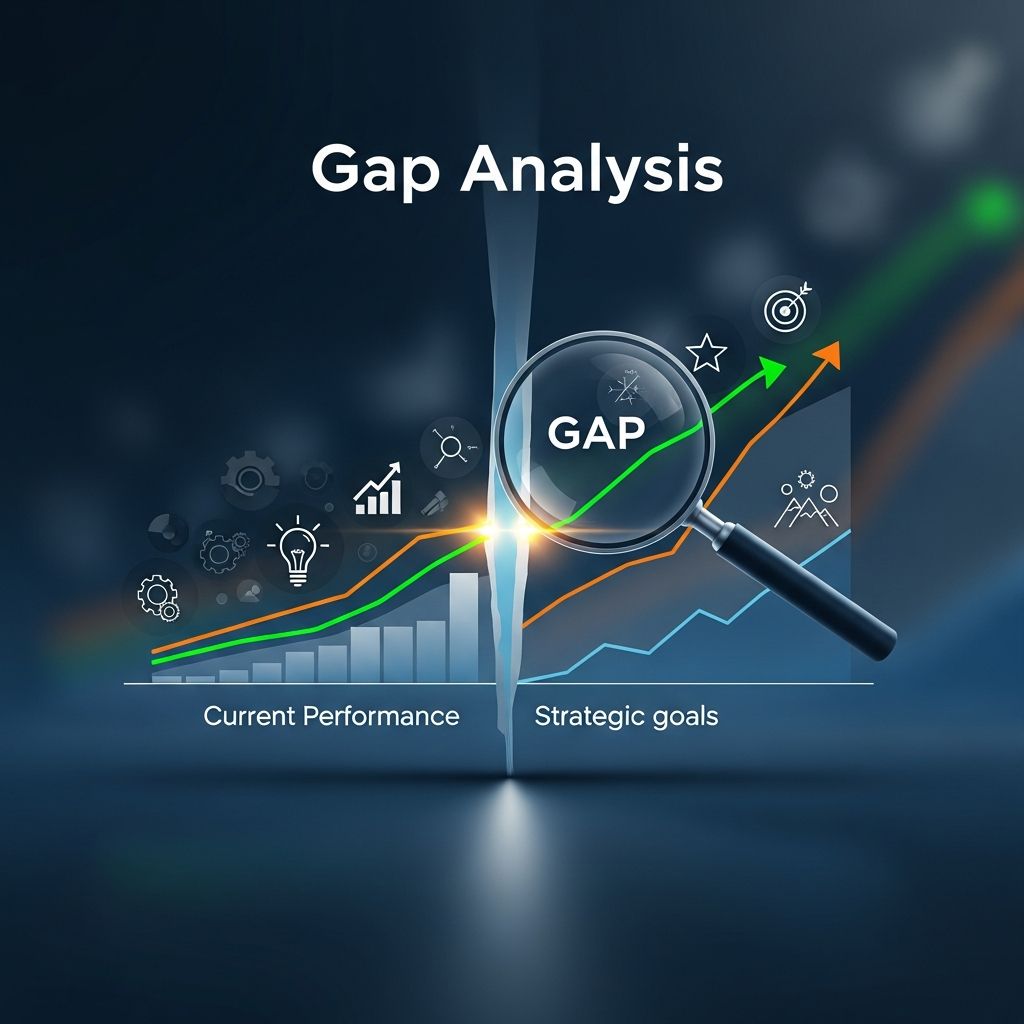
Gap analysis is a strategic management tool that enables organizations to evaluate the difference between their current state of performance and their desired future state. This analytical framework serves as a bridge between where a business currently stands and where it aims to be, making it an invaluable component of strategic planning and organizational development. By systematically identifying these gaps, businesses can develop targeted action plans to close the distance and achieve their strategic objectives.
At its core, gap analysis examines multiple dimensions of organizational performance, including operational efficiency, financial metrics, customer satisfaction, employee capabilities, technology infrastructure, and market positioning. The process involves a comprehensive assessment that goes beyond surface-level metrics to understand the underlying causes of performance shortfalls and the specific initiatives required to improve performance.
Understanding the Fundamentals of Gap Analysis
The Basic Concept
Gap analysis operates on a simple but powerful principle: identifying what needs to change to move from the present state to the desired future state. Organizations conduct gap analysis across various functional areas including finance, operations, marketing, human resources, and technology. The analysis helps leadership understand not only where performance falls short but also the specific factors contributing to these deficiencies.
The process typically begins with defining clear, measurable targets for organizational performance. These targets might include revenue growth objectives, customer acquisition goals, operational efficiency improvements, or market share expansion. Once targets are established, the current performance metrics are collected and compared against these benchmarks to identify specific gaps requiring attention.
Why Gap Analysis Matters
Gap analysis provides several critical benefits to organizations. First, it creates transparency about organizational performance by making invisible problems visible through data-driven assessment. Second, it enables prioritization of resources toward the most impactful initiatives. Third, it facilitates alignment across departments by providing a shared understanding of organizational needs and objectives. Finally, it establishes accountability by creating measurable milestones and progress indicators.
Key Components of Gap Analysis
Current State Assessment
The foundation of any gap analysis begins with an honest and comprehensive evaluation of the current organizational state. This involves collecting quantitative data such as financial performance, operational metrics, customer satisfaction scores, and employee engagement levels. It also includes qualitative assessment through interviews, focus groups, and stakeholder feedback. Data collection should be systematic, unbiased, and comprehensive to ensure that the baseline accurately reflects actual conditions.
Future State Definition
Organizations must clearly define their desired future state, articulating specific, measurable, achievable, relevant, and time-bound (SMART) objectives. These goals should align with the organization’s strategic vision and mission. The future state definition goes beyond financial targets to encompass operational capabilities, market position, organizational culture, technology infrastructure, and competitive advantages. Clear articulation of the future state provides direction and enables stakeholders to understand what success looks like.
Gap Identification
Once current and future states are defined, the gaps become apparent through systematic comparison. These gaps may be quantitative (measurable differences in metrics) or qualitative (differences in capabilities, culture, or processes). Gap identification should be comprehensive, covering all relevant dimensions of organizational performance rather than focusing narrowly on financial metrics alone.
Root Cause Analysis
Understanding why gaps exist is as important as identifying them. Root cause analysis examines the underlying factors contributing to performance shortfalls. These causes might include skill deficiencies, inadequate resources, inefficient processes, technological limitations, market challenges, or organizational culture issues. Identifying root causes enables organizations to address fundamental problems rather than merely treating symptoms.
Types of Gaps Organizations Encounter
Performance Gaps
Performance gaps represent the most common type encountered by organizations. These occur when actual performance metrics fall short of targets or benchmarks. Examples include lower-than-expected revenue growth, declining customer satisfaction scores, reduced operational efficiency, or lower employee productivity. Performance gaps signal areas requiring immediate management attention and intervention.
Skills and Capability Gaps
Organizations frequently encounter gaps between the skills and capabilities their workforce currently possesses and those needed for future success. These gaps might involve technical skills, leadership capabilities, digital competencies, or specialized expertise. Skills gaps can limit organizational ability to execute strategies and adapt to changing market conditions, making them critical to address through training, hiring, and talent development initiatives.
Technology and Infrastructure Gaps
As business environments become increasingly digital, technology gaps become increasingly significant. These gaps represent the difference between an organization’s current technology infrastructure and systems versus those required for competitive effectiveness. Technology gaps might involve outdated software systems, inadequate data analytics capabilities, cybersecurity vulnerabilities, or insufficient cloud infrastructure.
Market and Competitive Gaps
Organizations may identify gaps between their current market position and their desired competitive standing. These gaps relate to market share, brand perception, customer base, product offerings, or competitive advantages. Market gaps inform strategic initiatives around marketing, product development, and competitive positioning.
Conducting an Effective Gap Analysis
Establish Clear Objectives
Before beginning gap analysis, organizations must clarify what they aim to achieve through the process. Objectives might focus on specific business functions, overall organizational performance, or particular strategic initiatives. Clear objectives ensure that analysis efforts focus on the most relevant areas and that findings drive meaningful action.
Gather Comprehensive Data
Effective gap analysis depends on accurate, relevant data. Organizations should employ multiple data collection methods including performance metrics, surveys, interviews, benchmarking studies, and industry analysis. Data collection should be systematic and rigorous, capturing both quantitative metrics and qualitative insights from various stakeholder perspectives.
Analyze and Prioritize Gaps
Once data is gathered, organizations should analyze findings to identify the most significant gaps and their underlying causes. Prioritization helps focus resources on gaps with the greatest impact on strategic objectives. This might involve ranking gaps by urgency, financial impact, resource requirements, or strategic importance.
Develop Action Plans
For each significant gap, organizations should develop detailed action plans specifying the initiatives, resources, timelines, and accountability structures required for closure. Action plans should be specific and measurable, enabling tracking of progress and identification of whether planned interventions are achieving intended results.
Implement and Monitor
Gap analysis is only valuable when findings translate into action. Organizations should implement planned initiatives while establishing monitoring systems to track progress. Regular reviews enable adjustment of tactics based on results and emerging circumstances.
Applications of Gap Analysis Across Industries
Manufacturing and Operations
Manufacturing organizations frequently use gap analysis to identify inefficiencies in production processes, quality issues, or supply chain problems. Analysis helps prioritize lean manufacturing initiatives, process improvements, and technology upgrades to enhance operational efficiency and competitiveness.
Financial Services
Banks, insurance companies, and investment firms use gap analysis to assess technology infrastructure, regulatory compliance, customer service capabilities, and competitive positioning. Analysis informs strategic initiatives around digital transformation, customer experience enhancement, and risk management.
Healthcare Organizations
Hospitals and healthcare systems use gap analysis to identify gaps in clinical capabilities, technology infrastructure, patient experience, and operational efficiency. Analysis guides investments in medical equipment, facility expansion, staff training, and care delivery innovation.
Retail and E-Commerce
Retail organizations use gap analysis to assess competitive positioning, customer experience capabilities, technology infrastructure, and operational efficiency. Analysis informs strategic decisions about store formats, omnichannel capabilities, and customer engagement strategies.
Common Challenges in Gap Analysis
Data Quality and Availability
Organizations sometimes struggle with inconsistent data collection practices or incomplete information. Poor data quality can lead to inaccurate gap identification and misguided action plans. Organizations should establish data governance standards and collection processes to ensure reliable information.
Resistance to Change
Gap analysis often reveals uncomfortable truths about organizational performance or the need for significant changes. Organizational resistance to change can hinder implementation of recommended initiatives. Effective change management and stakeholder engagement are essential for overcoming this challenge.
Resource Constraints
While gap analysis identifies needed improvements, organizations may lack sufficient resources for comprehensive implementation. Prioritization frameworks help focus limited resources on the highest-impact initiatives, though this may mean accepting that some gaps remain unaddressed in the short term.
Measurement Complexity
Some gaps, particularly those related to culture, capability, or customer perception, are difficult to measure quantitatively. Organizations must employ multiple measurement approaches including qualitative assessment to capture the full picture of organizational performance.
Best Practices for Effective Gap Analysis
Successful gap analysis implementation requires several best practices. First, ensure senior leadership commitment and visible sponsorship of the gap analysis process and follow-up initiatives. Second, involve cross-functional teams to capture diverse perspectives and ensure comprehensive assessment. Third, use both quantitative metrics and qualitative insights for complete understanding. Fourth, focus on root causes rather than symptoms to address fundamental issues. Fifth, establish clear accountability for gap closure and track progress systematically. Finally, treat gap analysis as an ongoing process rather than a one-time exercise, regularly reassessing organizational performance and adjusting strategies accordingly.
Frequently Asked Questions
Q: What is the primary purpose of gap analysis?
A: Gap analysis identifies the differences between an organization’s current performance and desired future state, enabling development of targeted strategies to close identified gaps and achieve strategic objectives.
Q: How often should organizations conduct gap analysis?
A: While initial gap analysis informs strategic planning, organizations should periodically reassess to account for changing market conditions, competitive dynamics, and organizational performance. Annual reviews or reviews aligned with strategic planning cycles are typical practice.
Q: Who should be involved in the gap analysis process?
A: Gap analysis should involve cross-functional teams including senior leadership, department heads, frontline employees, and external stakeholders where relevant. Diverse perspectives ensure comprehensive assessment and increase stakeholder commitment to identified initiatives.
Q: How does gap analysis differ from other strategic planning tools?
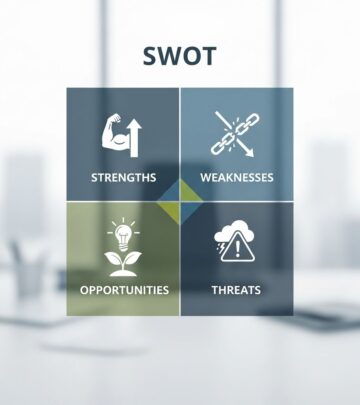
A: While other tools like SWOT analysis examine organizational strengths and weaknesses, gap analysis specifically focuses on the quantifiable distance between current performance and strategic targets, providing more concrete direction for action planning.
Q: What should organizations do if they identify too many gaps to address simultaneously?
A: Prioritization frameworks help organizations focus on gaps with the greatest strategic impact or those whose closure enables progress on other gaps. This phased approach ensures effective resource allocation and maintains organizational focus.
Q: How can organizations ensure gap analysis leads to actual implementation?
A: Establish clear ownership and accountability for each identified gap, develop specific action plans with resources and timelines, secure leadership commitment, and implement robust tracking systems to monitor progress on planned initiatives.
References
- Gap Analysis — The Decision Lab. Accessed 2025-11-29. https://thedecisionlab.com/reference-guide/management/gap-analysis
- Strategic Planning and Gap Analysis for Organizational Success — Project Management Institute. 2024. https://www.pmi.org
- Performance Management and Gap Analysis Framework — Harvard Business Publishing. 2023. https://www.harvardbusiness.org
- Organizational Development: Gap Analysis Methodology — Society for Human Resource Management (SHRM). 2024. https://www.shrm.org
Similar Articles








Read full bio of medha deb