Gabapentin for Dogs: Uses, Dosage, and Side Effects
Complete guide to gabapentin for dogs: dosage, uses, side effects, and safety.
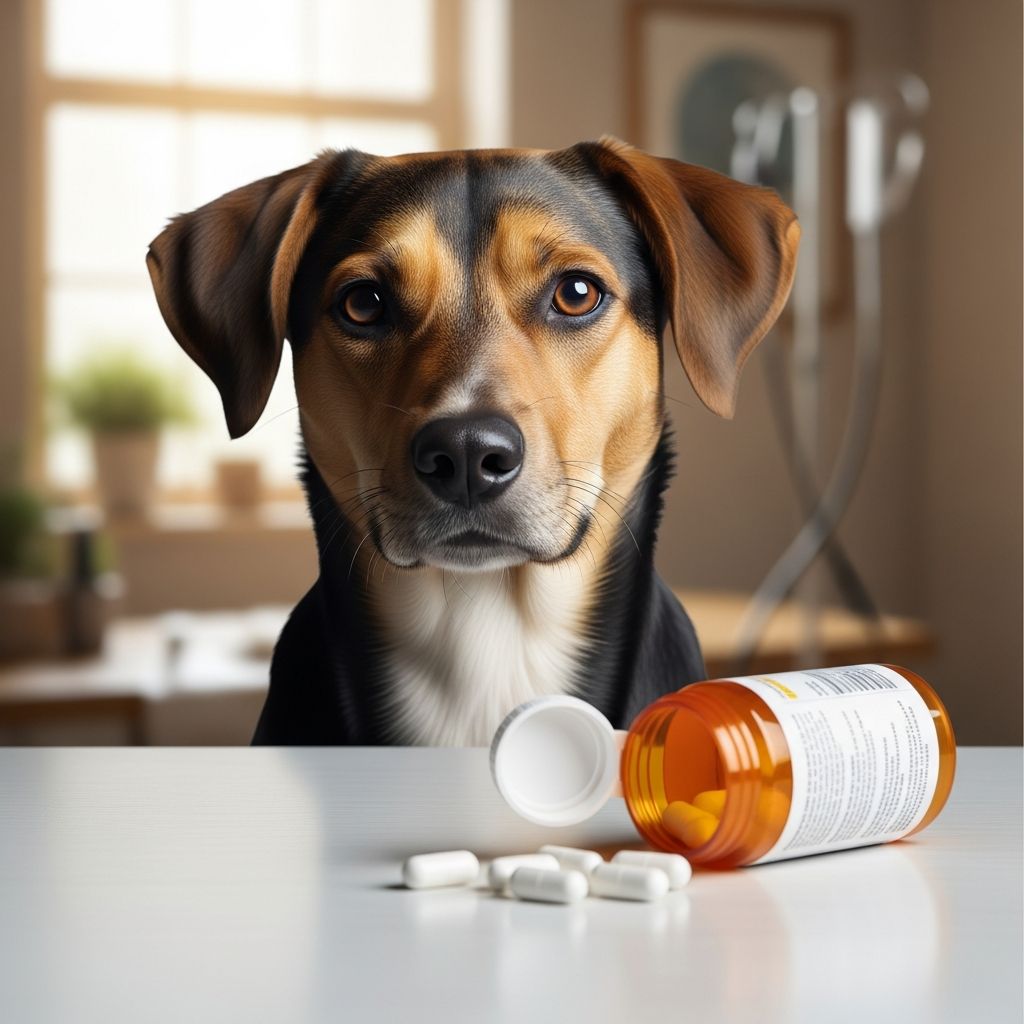
Gabapentin for Dogs: A Comprehensive Guide
Gabapentin is an anticonvulsant and analgesic medication that has become increasingly popular in veterinary medicine for treating various conditions in dogs. This prescription drug is commonly prescribed by veterinarians to manage pain, seizures, and anxiety in canine patients. While gabapentin is not FDA-approved specifically for dogs, veterinarians frequently use it off-label to treat intervertebral disk disease, chronic pain conditions, seizure disorders, and anxiety-related issues. Understanding how this medication works, proper dosing guidelines, and potential side effects is essential for pet owners considering this treatment option for their dogs.
What is Gabapentin?
Gabapentin is a prescription medication that belongs to a class of drugs known as anticonvulsants. Originally developed to treat seizures in humans, the drug has proven beneficial for various conditions in dogs beyond seizure management. The medication works by affecting neurotransmitters in the brain and nervous system, helping to reduce nerve pain signals and provide calming effects. Gabapentin is particularly useful for managing chronic pain conditions and behavioral anxiety in dogs. It comes in several formulations to accommodate different dogs’ needs and sizes.
Common Uses of Gabapentin in Dogs
Veterinarians prescribe gabapentin for multiple conditions in dogs. The most common uses include:
Pain Management: Gabapentin is frequently used to treat chronic pain, particularly from conditions like arthritis, intervertebral disk disease, and post-surgical pain. The medication helps reduce nerve-related pain signals.
Seizure Control: According to veterinary experts, gabapentin is commonly used as an adjunct medication alongside other anti-seizure medications such as Keppra or phenobarbital to help prevent seizures.
Anxiety Relief: Many veterinarians recommend gabapentin to help manage anxiety in dogs, including anxiety related to thunderstorms, fireworks, veterinary visits, or general situational stress.
Neuropathic Pain: The medication is particularly effective for nerve-related pain conditions, where it gradually increases effectiveness as dosages are adjusted.
Gabapentin Dosage for Dogs
Standard Dosage Guidelines
The standard gabapentin dosage for dogs is 5–30 mg/kg, administered up to three times daily. However, the exact dose depends on several factors including the dog’s weight, the condition being treated, the dog’s age, and any other medical conditions present. The general rule of thumb is that dogs should receive approximately 5 mg of gabapentin per kilogram of body weight every 12 hours as a starting point.
Gabapentin typically remains effective for approximately eight hours, which is why it is commonly prescribed for three times daily administration. However, some dogs tolerate twice-daily dosing very well, and veterinarians may adjust the schedule based on individual response and tolerance.
Dosage by Condition
| Condition | Starting Dose | Maintenance Dose | Frequency |
|---|---|---|---|
| Seizures | 10 mg/kg | 10–20 mg/kg (up to 30–60 mg/kg) | Every 8 hours or twice daily |
| Chronic Pain | 5–10 mg/kg | 5–30 mg/kg | Every 8–12 hours |
| Neuropathic Pain | 5–15 mg/kg | Up to 40 mg/kg | Every 8–12 hours |
| Anxiety (Routine) | 5–10 mg/kg | 5–30 mg/kg | Every 8–12 hours |
| Anxiety (Before Events) | 30–60 mg/kg | 30–60 mg/kg | 1–2 hours before event |
Maximum Dosage
The maximum recommended dose of gabapentin for dogs is 30 mg/kg, which is considered the high end of the safe dosage range. At this level, there is an increased likelihood of experiencing side effects such as sedation and ataxia (loss of coordination). However, in certain cases with severe neuropathic pain, doses as high as 40 mg/kg every 8–12 hours may be prescribed with close veterinary monitoring.
Available Gabapentin Formulations
Gabapentin for dogs is available in several different forms to accommodate various dog sizes and preferences:
Capsules: Available in 100 mg, 300 mg, and 400 mg strengths. These are standard prescription formulations.
Tablets: Also come in 100 mg, 300 mg, and 400 mg strengths for dogs that prefer tablets over capsules.
Compounded Liquid: A 250 mg per 5 ml oral suspension that can be customized by compounding pharmacies. This form is particularly beneficial for smaller dogs or those with difficulty swallowing pills.
For smaller dogs that have difficulty with standard human formulations, compounding pharmacies can create customized doses and forms tailored to your veterinarian’s specifications and your dog’s needs.
How to Administer Gabapentin
Gabapentin should be given orally, typically two to four times per day, depending on the prescribed dosage schedule. The medication can be given with or without food, though some veterinarians may recommend giving it with food if your dog experiences stomach upset. Always follow your veterinarian’s specific instructions regarding dosage and administration timing.
For anxiety management before stressful events, gabapentin should be administered at least 1.5 to 2 hours before the anticipated stressful situation to allow time for the medication to take effect.
It is crucial to never share medications between dogs or use a dog’s prescription for another animal. Always fill your dog’s prescriptions at pharmacies with staff trained in the differences between canine and human medication requirements to ensure safety and proper dosing.
How Quickly Does Gabapentin Work?
Gabapentin should begin taking effect fairly quickly, with relief typically noticed within one to two hours of administration. The medication is considered short-acting, meaning its effects generally last approximately eight hours, though some effects may persist up to 24 hours in some dogs. It is important to note that the medication may last longer in dogs with kidney or liver impairment, as these organs play a crucial role in drug metabolism.
Potential Side Effects
While gabapentin is generally considered safe, some dogs may experience side effects, particularly when starting the medication or at higher doses. Common side effects include:
Sedation: One of the most frequently reported side effects, particularly at higher doses. Dogs may appear drowsy or less active than usual.
Ataxia: Loss of coordination or a drunken-like gait, which is more common at the higher end of the dosage range.
Dizziness: Some dogs may experience balance issues or appear uncoordinated.
Lethargy: Dogs may have reduced energy levels or appear less interested in activities.
Gastrointestinal Upset: In some cases, dogs may experience nausea or digestive issues.
If gabapentin excessively sedates your dog, your veterinarian will likely decrease the dose and ask you to report back regarding any improvements in your dog’s condition and overall alertness.
Monitoring and Adjusting Dosage
Veterinarians typically prescribe a low starter dose and ask pet owners to monitor their dogs closely for signs of adverse reactions and report back with observations about changes in their pet’s behavior or perceived pain levels. Finding the correct gabapentin dosage for an individual dog might require experimentation and adjustment, as every dog and condition is different. The dosage for anxiety management may be considerably higher or lower than the dosage for pain management.
Your veterinarian may also recommend additional dosing strategies. For example, if your dog takes a certain amount of gabapentin daily for anxiety management, your vet might suggest an additional dose before triggering events like vet visits, thunderstorms, or fireworks.
Important Safety Considerations
Pet owners should be aware of several important safety considerations when using gabapentin for their dogs. Never administer medications to your dog without veterinary guidance, as improper dosing can lead to adverse effects. When your veterinarian prescribes gabapentin, always follow their specific dosage instructions carefully.
It is essential to watch for side effects during treatment and contact your veterinarian if any problems arise. Never share medications between pets or use someone else’s prescription without explicit veterinary approval. Fill prescriptions at pharmacies with staff trained in the differences between canine and human medication requirements to ensure your dog receives proper dosing and formulation.
Dogs with kidney or liver disease may require adjusted dosing or more frequent monitoring, as these organs are responsible for processing and eliminating the medication from the body.
Frequently Asked Questions
Q: Can I give my dog gabapentin without a prescription?
A: No, gabapentin is a prescription medication and should only be given under veterinary supervision. Your veterinarian will determine if gabapentin is appropriate for your dog’s condition and establish the proper dosage.
Q: What should I do if I miss a dose of gabapentin for my dog?
A: If you miss a dose, give it as soon as you remember. However, if it is almost time for the next scheduled dose, skip the missed dose and continue with the regular schedule. Never double-dose to make up for a missed dose.
Q: Can gabapentin be combined with other medications?
A: Yes, gabapentin is often combined with other medications. For seizure management, it is commonly used alongside medications like Keppra or phenobarbital. However, always inform your veterinarian about all medications and supplements your dog is taking to avoid potential interactions.
Q: How long does my dog need to take gabapentin?
A: The duration of treatment depends on the condition being treated and your dog’s response. Some dogs may need short-term treatment, while others with chronic conditions may require long-term management. Your veterinarian will determine the appropriate treatment duration.
Q: Are there any foods or supplements that interact with gabapentin?
A: While gabapentin can be given with or without food, inform your veterinarian about all supplements and medications your dog receives. Some supplements may interact with gabapentin, so professional guidance is important.
Q: Is gabapentin safe for senior dogs?
A: Gabapentin can be used in senior dogs, but your veterinarian may recommend adjusted dosing or more frequent monitoring, particularly if your older dog has kidney or liver issues.
References
- Gabapentin Dosage for Dogs by Weight — SingleCare. 2024. https://www.singlecare.com/blog/gabapentin-dosage-for-dogs-by-weight/
- Gabapentin For Dogs: Dosage By Weight — Dutch. 2024. https://www.dutch.com/blogs/dogs/gabapentin-dosage-by-weight
- Gabapentin for Dogs: How it Works, Dosage, and Side Effects — Total Vet. 2024. https://total.vet/gabapentin-for-dogs/
- Gabapentin: Clinical Use and Pharmacokinetics in Dogs, Cats, and Horses — National Center for Biotechnology Information (NCBI). 2023. https://pmc.ncbi.nlm.nih.gov/articles/PMC10295034/
- The Use of Gabapentin to Help Manage Anxiety in Dogs — DVM360. 2024. https://www.dvm360.com/view/use-gabapentin-help-manage-anxiety-dogs
- Gabapentin for Dogs: Uses, Side Effects, and Dosage — GoodRx. 2024. https://www.goodrx.com/pet-health/dog/gabapentin-for-dogs
- Gabapentin for Dogs: Uses, Dosage, and Side Effects — PetMD. 2024. https://www.petmd.com/dog/care/gabapentin-dogs-what-you-need-know
Similar Articles








Read full bio of Sneha Tete