Gabapentin for Cats: Uses, Dosage, and Safety
Complete guide to gabapentin for cats: dosage, uses, side effects, and safety information.
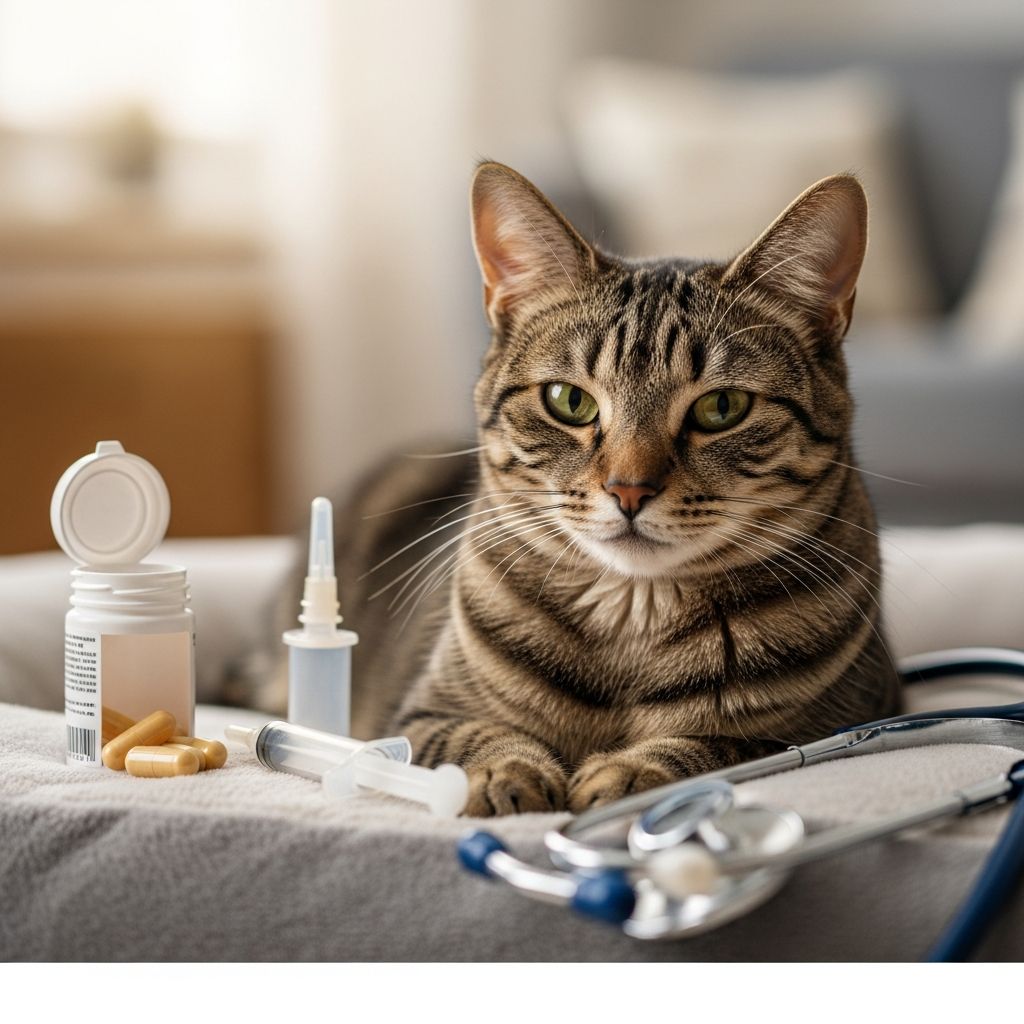
Gabapentin is a medication that has become increasingly popular in veterinary medicine for treating various conditions in cats. Whether your feline companion is experiencing chronic pain, anxiety, or seizures, understanding how gabapentin works and how it should be administered is crucial for your pet’s health and well-being. This comprehensive guide covers everything cat owners need to know about gabapentin, from its uses and proper dosing to potential side effects and safety considerations.
What Is Gabapentin and How Does It Work?
Gabapentin is an anticonvulsant and analgesic medication that was originally developed to treat nerve pain and seizures in humans. In cats, it has proven effective for multiple therapeutic purposes. The medication works by reducing calcium flow into nerve cells, which in turn limits the release of neurotransmitters that cause pain signals in nerve cells. This mechanism of action makes it particularly useful for managing neuropathic pain, which is pain caused by damage or dysfunction of the nervous system.
The medication also helps limit abnormal brain electrical activity, which is why it’s effective for preventing seizures and convulsions in cats. Additionally, gabapentin has anxiolytic properties, meaning it can reduce anxiety and stress in felines, making it valuable for managing feline stress during veterinary visits or other stressful situations.
Medical Uses of Gabapentin in Cats
Gabapentin is used to treat several conditions in cats, each with specific dosing requirements:
Chronic Pain Management
One of the most common uses for gabapentin in cats is managing chronic pain, particularly pain associated with arthritis and nerve damage. Cats suffering from degenerative joint disease, post-operative pain, or neuropathic conditions often benefit from gabapentin therapy. The medication acts as an analgesic, providing relief without the side effects associated with some other pain medications.
Seizure Control
Gabapentin is effective in treating seizures and epilepsy in cats. It works by stabilizing electrical activity in the brain and preventing abnormal firing patterns that lead to seizures. Some cats may experience violent motor activity, facial twitching, salivation, kicking, and autonomic release during seizures, and gabapentin can help prevent these episodes.
Anxiety and Stress Relief
Many cats experience anxiety, particularly during veterinary visits. Gabapentin has become a go-to medication for veterinarians seeking to reduce feline stress and anxiety before potentially stressful events. When administered 1-2 hours before a vet visit, it can significantly ease stress symptoms and create a calmer experience for both the cat and its owner.
Understanding Gabapentin Dosage for Cats
The dosage of gabapentin varies significantly depending on your cat’s weight, health status, and the condition being treated. There are no exact standard dosage guidelines that apply universally, which is why veterinary guidance is essential.
Standard Dosage Ranges
Most veterinarians prescribe gabapentin in the range of 5 to 30 mg/kg every six to 24 hours, with the standard single dose typically being 50 mg. However, the maximum gabapentin dosage for cats is generally considered to be 200 milligrams, though this can vary based on individual circumstances.
| Condition | Standard Dosage | Maximum Dosage | Frequency |
|---|---|---|---|
| Arthritis/Nerve Pain | 3-10 mg/kg | 15 mg/kg | Every 8-12 hours |
| Seizures | 5 mg/kg | 20 mg/kg | Every 6-12 hours |
| Anxiety (pre-vet visit) | 50 mg/cat | 100 mg/cat | 30 minutes before visit |
Dosage for Specific Conditions
Pain Relief: For pain management, dosages typically range from 1.5 to 5 mg per pound every 12 hours. For acute pain, veterinarians often prescribe 5-10 mg/kg twice daily, while chronic pain management may start at 5 mg/kg twice daily, increasing to 10 mg/kg if needed. For intense pain conditions such as cancer or arthritis, dosages may reach 50 mg up to three times daily.
Seizure Control: For managing seizures, gabapentin dosages range from 2.5 to 5 mg per pound every 8 to 12 hours, with some cases requiring up to 10 mg per pound in more severe situations. The recommended starting dose is 5-10 mg/kg every 12 hours, which may be increased to 20 mg/kg every 8-12 hours if needed for better seizure control.
Anxiety Management: To alleviate anxiety, particularly for veterinary visits, the recommended dose is 20 mg/kg administered 1-2 hours beforehand. Some protocols suggest 100 mg per cat given 90 minutes prior to stressful events, with peak effects occurring at 2-3 hours after administration. The maximum dose for anxiety is typically 100 mg per cat.
How to Administer Gabapentin to Your Cat
Gabapentin is available in several formulations for cats, including capsules, tablets, and liquid solutions. The liquid formulation is particularly useful for cats, as it allows for accurate dosing based on your cat’s specific weight and the condition being treated. When using a liquid gabapentin, your veterinarian can prescribe the optimal dose with precision.
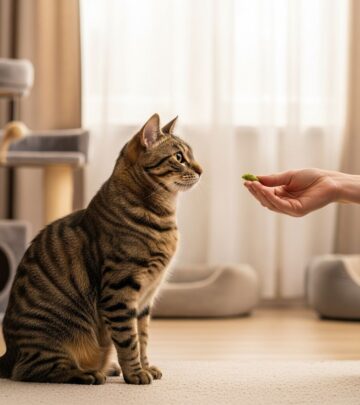
Pet parents should follow their veterinarian’s instructions carefully regarding the frequency and amount of gabapentin to administer. For anxiety-related uses, a single dose given 1-2 hours before a stressful event may be sufficient. For chronic conditions like pain or seizures, regular dosing schedules—typically every 8-12 hours—are necessary to maintain therapeutic effectiveness.
Potential Side Effects and Safety Considerations
While gabapentin is generally considered safe for cats at the correct dosage, being aware of potential side effects is important. Common side effects may include lethargy, incoordination, vomiting, and decreased appetite. Some cats may experience more specific symptoms such as facial twitching, excessive salivation, or chewing behaviors.
The use of gabapentin is safe for cats for both short-term and long-term use when prescribed at appropriate dosages. However, it’s important to note that over time, cats may develop a tolerance to gabapentin and may require a slight increase in dose for the medication to remain as effective as it was when first prescribed.
Before starting your cat on gabapentin, discuss any existing health conditions, medications, or concerns with your veterinarian. This ensures that gabapentin is the right choice for your cat and that the dosage is appropriate for their specific situation.
The Role of Veterinary Guidance
As veterinarians explain, the standard dose for cats varies greatly depending on the targeted use of the drug. Due to this wide dose range, it’s best to contact your primary care veterinarian to determine the most appropriate dosage for your cat’s specific needs. Your veterinarian will consider factors such as your cat’s weight, age, overall health status, and the specific condition being treated.
Therapeutic blood monitoring is not routinely recommended for gabapentin in cats, though when performed, the suggested therapeutic range is 4-16 µg/mL based on limited data. Your veterinarian will monitor your cat’s response to the medication and adjust dosages as needed to ensure optimal effectiveness.
Frequently Asked Questions About Gabapentin for Cats
Q: What is the standard gabapentin dosage for cats?
A: The standard gabapentin dosage for cats is 50 mg, with a maximum of 200 mg. However, dosages vary based on your cat’s weight and the condition being treated. Most veterinarians prescribe 5 to 30 mg/kg every six to 24 hours.
Q: Can I give my cat gabapentin before a vet visit?
A: Yes, gabapentin is commonly used to reduce anxiety during veterinary visits. The recommended dose is 50-100 mg per cat administered 30 minutes to 2 hours before the visit, with 20 mg/kg being the most effective dose according to research.
Q: How often can I give my cat gabapentin?
A: The frequency depends on the condition being treated. For pain, gabapentin is typically given every 8-12 hours. For anxiety before vet visits, a single dose 1-2 hours before the event is usually sufficient. Your veterinarian will determine the appropriate schedule for your cat’s specific needs.
Q: What are the side effects of gabapentin in cats?
A: Common side effects may include lethargy, incoordination, vomiting, decreased appetite, and in some cases, facial twitching or excessive salivation. Most side effects are mild and temporary. Contact your veterinarian if side effects persist or worsen.
Q: Is gabapentin safe for long-term use in cats?
A: Yes, gabapentin is safe for cats for both short-term and long-term use at the correct dosage. However, cats may develop tolerance over time and may require dosage adjustments. Regular veterinary monitoring is recommended.
Q: Can I use human gabapentin for my cat?
A: Yes, cats can receive the human form of gabapentin, but the dosage must be carefully calculated for your cat’s weight and condition. Always use gabapentin prescribed or approved by your veterinarian rather than using human medication without veterinary guidance.
Q: What should I do if I miss a dose of gabapentin?
A: If you miss a dose, give it as soon as you remember unless it’s close to the time of the next dose. Never double up on doses. Contact your veterinarian for specific guidance regarding missed doses.
Conclusion
Gabapentin is a valuable medication for managing pain, seizures, and anxiety in cats. Understanding the proper dosage, administration methods, and potential side effects is essential for ensuring your cat receives safe and effective treatment. While general guidelines exist, the best dosage for your specific cat depends on various individual factors that only your veterinarian can assess. Always consult with your veterinarian before starting gabapentin and maintain regular communication about your cat’s response to the medication. With proper veterinary guidance and monitoring, gabapentin can significantly improve your cat’s quality of life and help manage chronic conditions effectively.
References
- Gabapentin dose for cats: Standard and maximum dosages — SingleCare. 2024. https://www.singlecare.com/blog/gabapentin-dosage-cats/
- Gabapentin: Clinical Use and Pharmacokinetics in Dogs, Cats, and Humans — National Center for Biotechnology Information (NCBI). 2023. https://pmc.ncbi.nlm.nih.gov/articles/PMC10295034/
- Gabapentin for Cats: Uses, Dosage, Side Effects — GoodRx. 2024. https://www.goodrx.com/pet-health/cat/gabapentin-for-cats
- Gabapentin for Cats: Uses, Dosage, and Safety — Paoli Vetcare. 2024. https://www.paolivet.com/health/gabapentin-for-cats/
- Gabapentin (Neurontin) for Dogs and Cats — PetPlace. https://www.petplace.com/article/drug-library/drug-library/library/gabapentin-neurontin-for-dogs-and-cats
- Gabapentin in cats – giving the right dose — BOVA. 2023. https://bova.vet/2023/06/28/gabapentin-in-cats-giving-the-right-dose/
Similar Articles








Read full bio of Sneha Tete