Funding Your Dream Pool: Smart Strategies
Discover practical ways to finance a backyard swimming pool without compromising your financial future, from equity-based loans to flexible personal options.

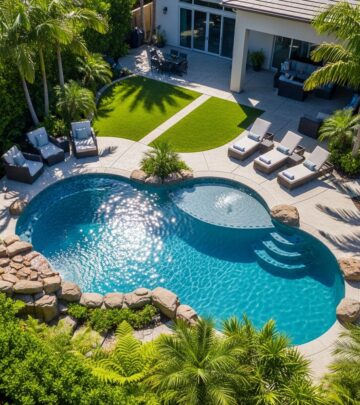
Installing a swimming pool transforms your backyard into a private oasis, offering endless summer fun and potential home value boost. However, the upfront costs can be substantial, often ranging from $35,000 to $100,000 or more depending on size, type, and location. Fortunately, multiple financing avenues exist to make this upgrade accessible without draining savings entirely. This guide breaks down the top methods, compares their features, and provides actionable steps to secure the right funding while minimizing long-term expenses.
Understanding Pool Installation Costs
Before diving into financing, grasp the full scope of expenses. In-ground pools typically cost $50,000 to $100,000, with labor comprising up to 50% of the total—around $17,000 to $30,000 in many cases. Above-ground options are cheaper at $2,000 to $15,000 but still require budgeting for permits, decking, and landscaping. Factors like regional labor rates, soil conditions, and custom features such as heaters or lighting drive variations. Obtaining multiple contractor quotes ensures accurate estimates, which is crucial for loan applications since most require a firm total.
Hidden costs include ongoing maintenance (chemicals, cleaning: $500–$1,500 yearly), insurance hikes ($50–$200 annually), and property tax increases if the pool boosts assessed value. Weigh these against benefits like increased home equity—pools can add 5–8% to resale value in warm climates.
Leveraging Home Equity for Lower Rates
Home equity products tap into your property’s built-up value, offering some of the most competitive rates for pool projects since the home serves as collateral. These are ideal if you have at least 15–20% equity and strong credit (680+ FICO).
Home Equity Loans: Fixed and Predictable
A home equity loan provides a lump-sum payout with fixed interest rates (currently 8–9% as of 2026) and terms up to 30 years. Monthly payments remain constant, aiding budgeting. For a $50,000 loan at 8.5% over 15 years, expect $492 monthly. Pros include lower rates than unsecured loans (2–4 points below) and potential tax deductibility of interest if used for home improvements. Risks: foreclosure if you default, plus closing costs (2–5% of loan).
HELOCs: Flexible Drawing Power
Home equity lines of credit (HELOCs) function like a credit card against your home’s equity, with a 10-year draw period followed by repayment. Variable rates (around 9–10%) fluctuate with market indexes, offering flexibility for phased pool builds. Borrow only what you need, paying interest solely on the drawn amount. Suitable for uncertain total costs, but rate hikes could increase payments. No collateral beyond home equity; approval hinges on debt-to-income under 43%.
| Feature | Home Equity Loan | HELOC |
|---|---|---|
| Rate Type | Fixed | Variable |
| Disbursement | Lump Sum | As Needed |
| Best For | Known Costs | Ongoing Projects |
| Avg. Rate (2026) | 8.5% | 9.2% |
Unsecured Personal Loans: No Home Risk
Personal loans deliver quick, unsecured funding without pledging assets, perfect for renters or those protecting home equity. Lenders like LightStream offer $5,000–$100,000 with fixed rates (7.5–11% for excellent credit) and terms of 2–7 years. No appraisals speed approval; funds deposit in days. A $40,000 loan at 9% over 5 years means $844 monthly. Drawbacks: higher rates for fair credit and shorter terms inflate payments. Shop via online platforms for rate-shopping without credit dings.
- Pros: Fast approval, fixed payments, no collateral.
- Cons: Higher APRs, limited to creditworthiness.
- Ideal Credit: 670+ for best rates.
Dealer and Specialized Pool Financing
Many pool contractors partner with lenders like Lyon Financial or LightStream for tailored loans up to 30 years. Rates hover 7.5–11%, with some offering 0% intro promotions or installment plans (e.g., Affirm’s 4 payments over 6 weeks at 0–36% APR). Convenience shines: one application covers build and finance. However, rates often exceed bank options, and terms may hide fees. Compare independently—dealer financing suits those denied elsewhere.
Cash-out refinancing replaces your mortgage with a larger one, extracting equity at mortgage rates (6.5–7.5%). Best if rates dropped or you’re consolidating debt, but resets your mortgage clock.
Comparing Financing Options Side-by-Side
| Option | Avg. Rate | Term Length | Collateral | Best Use Case |
|---|---|---|---|---|
| Home Equity Loan | 8–9% | 5–30 yrs | Home | Fixed budgets |
| HELOC | 9–10% | 10+20 yrs | Home | Flexible needs |
| Personal Loan | 7.5–11% | 2–7 yrs | None | Quick, no equity |
| Dealer Financing | 8–12% | Up to 30 yrs | Varies | Convenience |
Use online calculators to model scenarios based on your credit and amount.
Steps to Secure Pool Financing
- Estimate Total Costs: Gather 3–5 contractor bids, factor 10–20% buffer.
- Check Credit: Aim for 700+; fix errors via annualcreditreport.com.
- Prequalify: Soft inquiries from multiple lenders reveal rates.
- Compare APRs: Factor fees into total cost.
- Apply and Close: Provide income docs; expect 1–4 weeks.
Pros and Cons of Financing vs. Cash
Paying cash avoids debt but depletes liquidity—risky amid emergencies. Financing preserves savings, spreads costs, and may yield tax perks. Key: ensure payments fit 28–36% of income. Pools enhance lifestyle and equity but aren’t guaranteed ROI everywhere.
Frequently Asked Questions
Is a pool loan tax-deductible?
Interest on home equity loans/HELOCs may qualify if securing your primary residence, per IRS rules. Consult a tax pro.
How much pool can I afford?
Limit borrowing to 3–5x annual income; payments under 10% of take-home.
Above-ground vs. In-ground financing?
Cheaper above-ground suits personal loans; in-ground favors equity products.
What credit score for pool financing?
670+ for prime rates; subprime faces 15%+ APR.
Can I finance pool maintenance?
Yes, via personal loans or HELOC draws.
Final Tips for Success
Boost approval odds with stable income proof and low debt ratios. Negotiate contractor rates pre-financing. In 2026’s rate environment, lock fixed options soon. A well-financed pool delivers years of joy without financial strain.
References
- How To Finance A Swimming Pool In 2025: 4 Best Options — Bankrate. 2025. https://www.bankrate.com/loans/home-improvement/swimming-pool/
- Swimming Pool Financing — Barrington Pools. Accessed 2026. https://www.barrington-pools.com/financing
- Above Ground Pool Financing | Financing Options — The Pool Factory. Accessed 2026. https://www.thepoolfactory.com/pages/financing-options
- How to Finance a Swimming Pool: Top Funding Options — Mission Pools. Accessed 2026. https://www.missionpools.com/blog/how-to-finance-a-swimming-pool/
- Best Pool Financing Options in 2026 — NerdWallet. 2026. https://www.nerdwallet.com/home-ownership/home-improvement/best/pool-financing
- Swimming Pool Financing & Loans — Latham Pool. Accessed 2026. https://www.lathampool.com/swimming-pool-financing-loans-latham-pool/
Similar Articles








Read full bio of Sneha Tete