Emergency Home Repairs: 7 Fast Funding Options In 2025
Discover reliable ways to cover sudden home repair costs without draining your savings or risking financial strain.
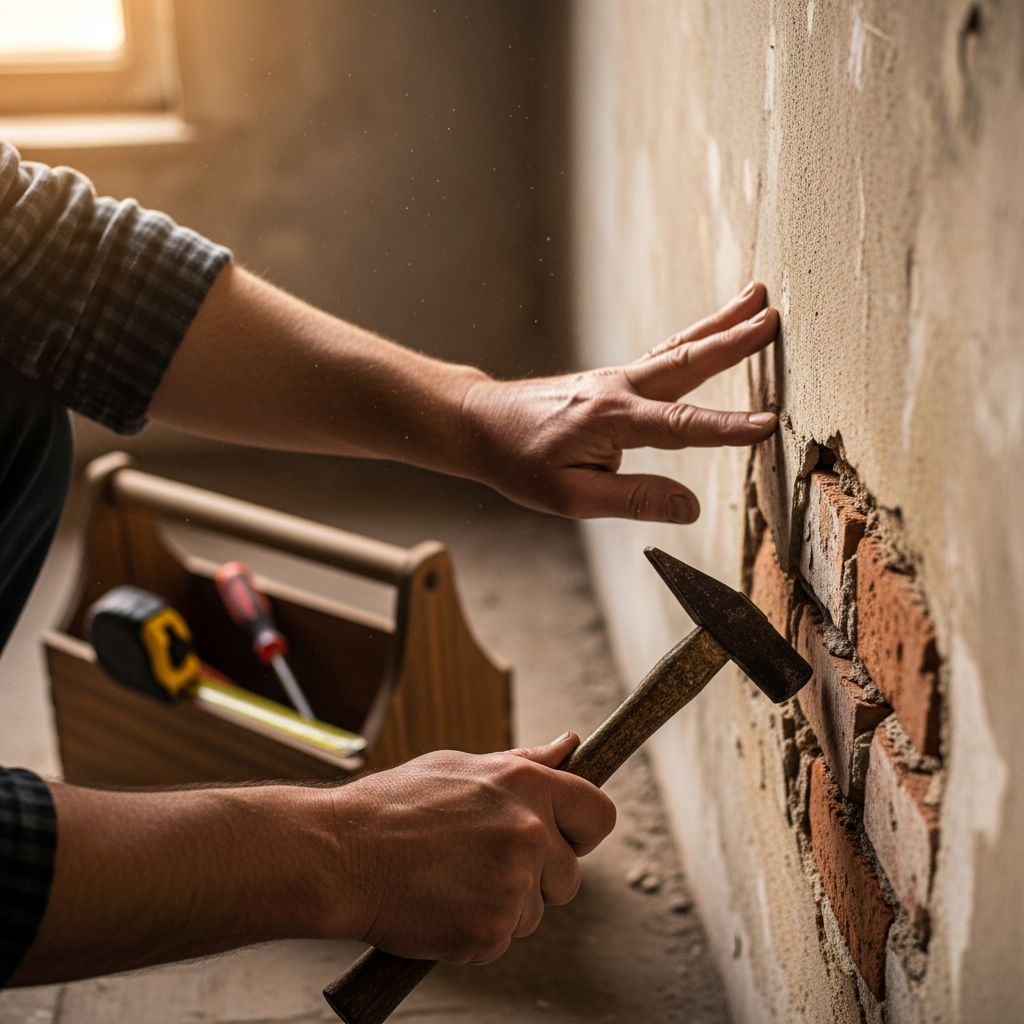
Funding Urgent Home Fixes
Sudden home issues like a leaking roof, broken furnace, or cracked foundation demand immediate action to protect your family’s safety and prevent further damage. Yet, these emergencies often strike when savings are low, creating financial stress. Homeowners have multiple avenues to secure funds quickly, from tapping home equity to exploring government programs. This guide outlines proven strategies, compares costs, and highlights eligibility to help you choose the best path forward.
Recognizing Common Home Emergencies and Their Price Tags
Understanding typical repair costs prepares you for budgeting and financing decisions. Emergencies vary by home age, location, and severity, but averages provide a baseline. For instance, asphalt driveway repairs range from $1,071 to $4,017, averaging $2,461. Septic system fixes cost $628 to $3,035, with a midpoint of $1,829. Mold removal runs $1,222 to $3,750, around $2,364 on average, while foundation work can hit $2,220 to $8,112, averaging $5,166.
| Repair Type | Cost Range | Average Cost |
|---|---|---|
| Driveway (asphalt) | $1,071 – $4,017 | $2,461 |
| Septic system | $628 – $3,035 | $1,829 |
| Mold remediation | $1,222 – $3,750 | $2,364 |
| Foundation | $2,220 – $8,112 | $5,166 |
These figures underscore why planning ahead matters. Minor delays can escalate small problems into major expenses, emphasizing the need for swift funding solutions.
Leveraging Home Equity for Fast Access to Cash
If you own your home outright or have built substantial equity, borrowing against it offers some of the lowest interest rates available. Two main options stand out: home equity loans and home equity lines of credit (HELOCs).
A home equity loan provides a one-time lump sum repaid via fixed monthly payments at a stable interest rate. This predictability suits known repair costs, like replacing a water heater. In contrast, a HELOC operates like a credit card, letting you draw funds as needed during a draw period, with a variable rate. Repay and redraw flexibility makes it ideal for ongoing or uncertain repair needs.
- Pros of home equity options: Lower rates than unsecured loans, tax-deductible interest in some cases, larger borrowing limits.
- Cons: Home as collateral risks foreclosure if payments lapse; requires appraisal, which may delay funds in true emergencies.
An existing HELOC shines for immediacy, bypassing new application waits that can span weeks.
Unsecured Personal Loans: Speed Without Collateral Risks
Not everyone has home equity or wants to pledge their property. Unsecured personal loans from banks, credit unions, or online lenders deliver funds quickly—often same-day or next-day—without collateral. Tailored for home improvements, these loans range from $5,000 to $100,000, with rates starting around 6.99% for strong credit profiles.
Approval hinges on credit score, income, and debt-to-income ratio. Those with fair credit still qualify, though at higher rates. Lump-sum disbursement works best when repair quotes are firm, and extended terms ease monthly burdens.
Personal Loan Advantages vs. Drawbacks
- Fast funding for urgent needs.
- No home equity or appraisal needed.
- Fixed rates and terms for budgeting.
- Higher rates than secured options; smaller limits for poor credit.
Insurance Claims: Covering Disasters Without Out-of-Pocket Costs
Before seeking loans, check your homeowners insurance. Policies often cover sudden perils like storms, fires, or burst pipes, minus your deductible. File claims promptly with photos, contractor estimates, and damage details. Payouts can fully fund repairs if covered, avoiding debt altogether.
Note exclusions: wear-and-tear or neglect don’t qualify. Multiple claims may hike premiums, so weigh this against repair urgency.
Contractor and Specialized Financing Partnerships
Many contractors partner with lenders for seamless financing. These plans feature competitive rates, no collateral, and quick approvals tied to your project. Compare terms independently to avoid inflated options—look for low APRs, fitting payments, and rapid disbursement.
Programs like Florida PACE fund 100% upfront via property taxes, skipping credit checks and down payments for eligible properties. Always select licensed contractors to ensure quality work.
Government Programs: Grants and Low-Cost Loans for Qualifying Owners
Federal and local aid targets low-income, elderly, rural, or disaster-affected homeowners, often as grants (no repayment) or low-interest loans.
- USDA Section 504: Up to $40,000 loans and $10,000 grants ($15,000 post-disaster) for very low-income rural owners; grants prioritize those 62+.
- HUD Title I: FHA-insured loans for low-equity homes, funding major fixes or livability upgrades.
- FHA 203(k), VA, USDA repairs: Blend purchase-renovation financing, though slower for pure emergencies.
- Local options: Community Development Block Grants via housing authorities; income-based loans like St. Paul’s 4% rate for furnaces or roofs.
Check USA.gov or local offices for eligibility. Nonprofits like Habitat for Humanity add volunteer labor or aid.
Cash-Out Refinance: A Bigger Commitment for Large-Scale Needs
For equity-rich owners facing massive repairs, cash-out refinance replaces your mortgage with a larger one, cashing out the difference. Best when new rates beat your current one, but it demands appraisal and closing time—less ideal for true urgencies.
Credit Cards and Savings: Short-Term Bridges
Credit cards offer instant access if limits cover costs, especially 0% intro APR offers. However, high ongoing rates (20%+) make them debt traps post-promo. Exhaust emergency savings first to minimize interest.
Budget tightly if repairs can wait months, prioritizing essentials like plumbing over cosmetics.
Strategies to Minimize Borrowing and Costs
- Get multiple contractor bids for accurate quotes.
- Prioritize safety repairs (e.g., electrical, structural).
- Improve credit beforehand for better rates.
- Combine insurance, grants, and loans strategically.
- Shop lenders via platforms comparing offers instantly.
FAQ
What is the fastest way to fund home repairs?
Existing HELOCs or personal loans from online lenders provide quickest access, often within days.
Do I risk losing my home with repair financing?
Yes, with secured options like home equity loans; unsecured personal loans avoid this.
Are there free grants for home repairs?
Yes, via USDA, HUD, or local programs for eligible low-income or senior owners.
How much equity do I need for a HELOC?
Typically 15-20% after first mortgage; lenders assess based on home value and credit.
Can bad credit stop me from getting repair funds?
No—personal loans and some government aids accommodate lower scores, though rates rise.
Navigating home emergencies demands calm assessment of options. By matching your situation to these tools—whether equity-based, unsecured, or grant-aided—you safeguard your home without undue financial peril.
References
- How your home can pay for emergency repairs – Bankrate — Bankrate. 2023. https://www.bankrate.com/home-equity/using-home-equity-to-finance-emergency-repairs/
- 8 Ways to Pay for Emergency Home Repairs – NerdWallet — NerdWallet. 2023. https://www.nerdwallet.com/home-ownership/home-improvement/learn/how-to-pay-for-emergency-home-repairs
- Emergency Home Repair Loans for Good & Bad Credit — Acorn Finance. 2023. https://www.acornfinance.com/home-improvement/home-repair-loans/
- How to Afford Urgent Florida Home Repairs in 2025 — Florida PACE. 2025. https://floridapace.gov/blog/insurance-financing/florida-home-repair-financing-guide/
- Single Family Housing Repair Loans & Grants — USDA Rural Development. 2026. https://www.rd.usda.gov/programs-services/single-family-housing-programs/single-family-housing-repair-loans-grants-6
- Government home repair assistance programs — USAGov. 2026. https://www.usa.gov/home-repair-programs
Similar Articles




Read full bio of Sneha Tete