Family Road Trip Budget Guide: Smart Ways To Save
Discover proven strategies for an exciting family road trip that keeps costs low and memories high without draining your wallet.
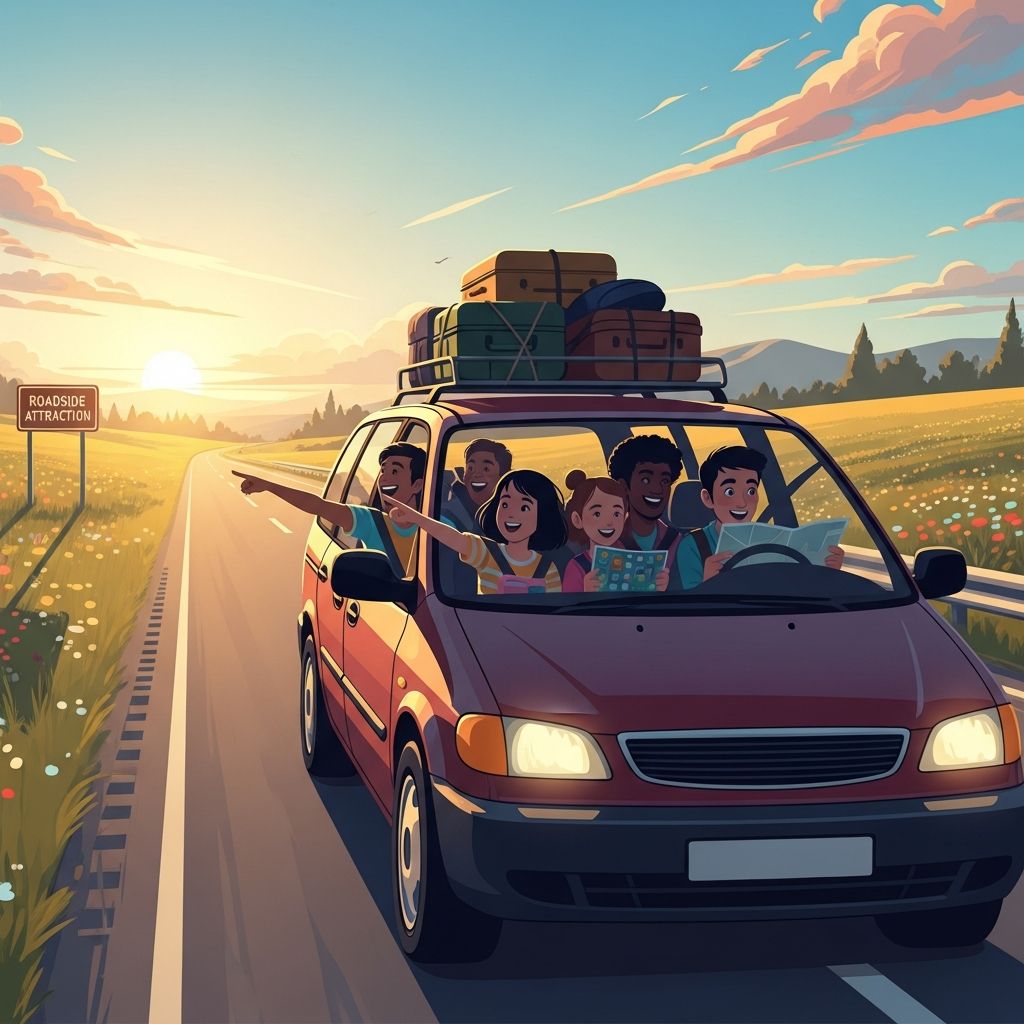
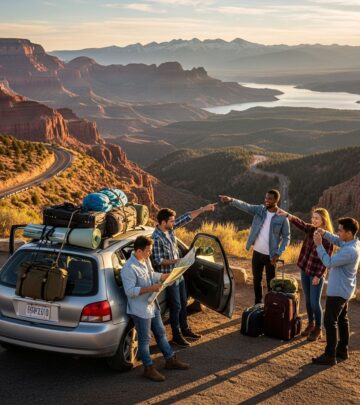
Family road trips offer the perfect blend of adventure, bonding, and flexibility, but they can quickly escalate in cost if not planned carefully. With smart strategies, you can enjoy scenic drives, exciting stops, and quality time without financial stress. This guide covers every aspect from planning to packing, ensuring your trip is both thrilling and thrifty.
Plan Ahead for Maximum Savings
The foundation of a budget-friendly road trip starts with thorough planning. Begin by mapping your route using free tools like Google Maps or AAA’s trip planner to identify fuel-efficient paths and free attractions. Set a realistic budget covering gas, lodging, food, and activities—aim for $50-100 per day per person depending on family size. Research off-peak travel times, such as weekdays or shoulder seasons, to avoid crowds and premium prices. For instance, national parks charge lower entry fees outside summer peaks.
Create a detailed itinerary that balances driving with rest stops. Limit daily drives to 6-8 hours to prevent fatigue and allow time for spontaneous fun. Apps like Roadtrippers or GasBuddy help pinpoint cheap gas stations and hidden gems along the way. Involve kids in planning to build excitement and teach budgeting skills.
Save Big on Gas
Fuel is often the largest expense, but savvy tactics can slash costs dramatically. Use a fuel calculator like AAA’s to estimate expenses based on your vehicle’s MPG, distance, and current prices—for a cross-country drive in a 30 MPG car, round-trip costs might hover around $300. Maintain your car: proper tire inflation and tune-ups improve efficiency by up to 10%.
- Drive efficiently: Avoid aggressive acceleration, maintain steady speeds (55-65 mph optimal), and use cruise control.
- Gas rewards: Leverage credit cards with 3-5% cashback on gas (e.g., certain travel cards) or apps like Upside for discounts.
- Group travel: Carpool with friends or pack light to reduce weight and drag.
- Alternative vehicles: Consider hybrids or renting a fuel-efficient car if yours guzzles gas.
Pack a cooler with snacks to minimize impulse stops at pricey stations. These steps can cut gas expenses by 20-30%.
Find Affordable or Free Lodging
Accommodations don’t have to break the bank. Opt for camping in state or national parks starting at $12-30/night, providing natural fun like hiking and stargazing. For comfort, use hotel loyalty points from programs like Hilton Honors or Marriott Bonvoy to book free nights at brands offering complimentary breakfast (e.g., Hampton Inn, Holiday Inn Express).
| Option | Avg. Cost/Night | Pros | Cons |
|---|---|---|---|
| Camping | $12-30 | Nature immersion, low cost | Weather-dependent, basic amenities |
| Hotel Points | Free | Comfort, breakfast included | Availability limited |
| Airbnb/VRBO | $50-100 | Home-like, kitchen | Cleaning fees |
| RV Rental | $100+ | Mobile home | Fuel-heavy |
Stay near highways but off major tourist paths for cheaper rates. Apps like HotelTonight offer last-minute deals.
Pack Smart to Cut Costs
Packing efficiently reduces the need for mid-trip purchases. Create a master list categorized by person and day:
- Essentials: Reusable water bottles, cooler with ice packs, non-perishables (PB&J, granola bars), first-aid kit, entertainment (books, games, downloaded shows).
- Car comfort: Pillows, blankets, car organizers for snacks/toys, portable charger.
- Kid-specific: Travel games, tablets with offline content, motion sickness remedies.
- Maintenance: Jumper cables, tire gauge, basic tools.
Launder clothes mid-trip at a laundromat ($5-10/load) instead of overpacking. Borrow gear like tents from friends or libraries to save hundreds.
Budget-Friendly Meals on the Road
Food can devour 30-50% of your budget, but home-packed meals keep it under $50/day. Stock a cooler with sandwiches, fruits, veggies, and yogurt for lunches; use hotel fridges or camp stoves for dinners.
- Breakfast: Free hotel buffets or oatmeal/pancake mixes.
- Lunch: Picnic at rest areas or parks.
- Dinner: Grocery store rotisserie chickens, salads, or potlucks if with others.
- Snacks: Homemade trail mix over vending machines.
Limit eating out to one fun meal per trip. Use apps like Ibotta for grocery rebates. Teach kids about choices to foster mindful spending.
Free and Low-Cost Activities
Fun doesn’t require pricey tickets. Prioritize nature: free entry to many state parks, beaches, and scenic overlooks. Download NPS app for free junior ranger programs.
- Nature spots: Hiking trails, lakes for swimming, wildlife viewing.
- Local gems: Free festivals, farmers markets, library events.
- Roadside attractions: World’s largest ball of twine (often <$10).
- Amusement hacks: Off-season theme parks like Holiday World at $30/day with free perks.
Geocaching or letterboxing adds treasure-hunt excitement for free. National forests offer dispersed camping and trails at no cost.
Keep Kids Entertained Without Spending
Boredom leads to impulse buys, so plan engagement:
- Car games: I Spy, 20 Questions, license plate bingo.
- Audio: Podcasts, audiobooks, family sing-alongs.
- Stops: Every 2 hours for stretches, playgrounds.
- Rewards: Small prizes from a “trip jar” earned for good behavior.
Pre-download movies; rotate toys to keep fresh. Turn drives into learning with state trivia.
Vehicle Prep and Roadside Safety
A reliable car prevents expensive breakdowns. Get an oil change, check fluids, brakes, and belts pre-trip. Carry a roadside kit: flares, flashlight, blankets. AAA membership ($50-100/year) covers tows and more, often paying for itself.
Monitor weather apps; pack emergency food/water. Share itinerary with family.
Budget Tracking Tools
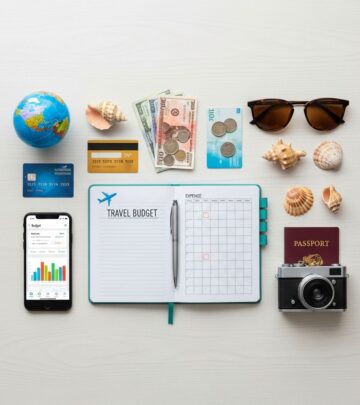
Use apps like TravelSpend or a simple spreadsheet to log expenses in real-time. Set alerts for overspending categories. Cash envelopes for food/activities enforce limits.
Frequently Asked Questions (FAQs)
Q: How much should I budget for a 7-day family road trip?
A: $350-700 total out-of-pocket for a family of four, covering food primarily after using rewards for gas/hotels. Adjust for distance and family size.
Q: Are camping sites safe for families?
A: Yes, choose developed sites with facilities. Supervise kids and follow Leave No Trace principles.
Q: What’s the best way to save on attractions?
A: Focus on free national/state parks, use city passes for bundles, visit off-peak.
Q: How do I handle car sickness in kids?
A: Frequent stops, ginger candies, seatbelts, fresh air, and non-drowsy meds.
Q: Can I use credit card points effectively?
A: Yes, for hotels/gas/activities. Choose flexible programs like Chase Ultimate Rewards.
Real Family Success Stories
Families report saving hundreds by camping and picnicking, turning 1,000-mile trips into $500 adventures. One cross-country jaunt cost $350 using points.
References
- AAA Fuel Cost Calculator — American Automobile Association. 2023. https://gasprices.aaa.com/aaa-fuel-cost-calculator/
- National Park Service Camping Fees — U.S. Department of the Interior. 2025-01-01. https://www.nps.gov/subjects/camping/campground.htm
- Consumer Financial Protection Bureau Travel Budgeting Guide — U.S. Government (CFPB). 2024-06-15. https://www.consumerfinance.gov/consumer-tools/travel-budgeting/
- Fuel Economy Tips — U.S. Department of Energy. 2025. https://www.fueleconomy.gov/feg/driveHabits.jsp
- Family Travel Safety Guidelines — Centers for Disease Control and Prevention (CDC). 2024-09-20. https://wwwnc.cdc.gov/travel/page/family-travel
- Road Trip Planning — Federal Highway Administration (FHWA). 2023. https://highways.dot.gov/safety/road-trip-safety
- State Park Fees Overview — National Conference of State Legislatures. 2024. https://www.ncsl.org/research/environment-and-natural-resources/state-park-fees.aspx
Similar Articles








Read full bio of medha deb