Frugal Living Lessons From The Great Depression
Timeless Great Depression frugal living lessons to cut costs, waste less, and build resilience in today’s uncertain economy.
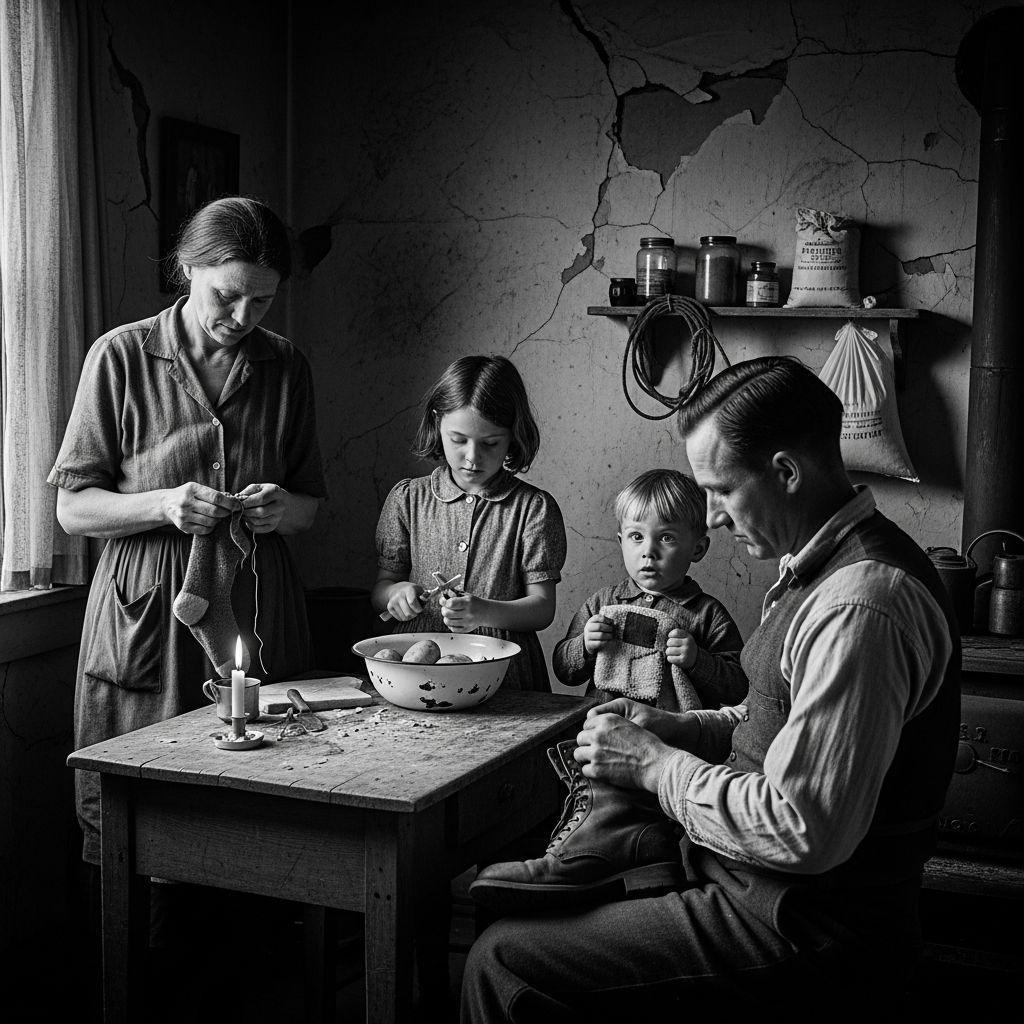
The Great Depression forced families to stretch every dollar, waste nothing, and find creative ways to survive. Many of those habits still apply today, especially when the cost of living is high and financial uncertainty is common. By borrowing these practical strategies, you can save more, build resilience, and feel more in control of your money.
This guide mirrors classic Great Depression frugal living themes: making do with what you have, cooking from scratch, growing your own food, repurposing items, and focusing on needs over wants. These are not just thrifty tricks; they are a mindset shift toward intentional living.
Why Great Depression Frugality Still Matters
During the Great Depression, unemployment in the United States reached about 25%, and many people lost homes, savings, and jobs in a short period of time. Families had to adapt quickly, relying on home production, bartering, and community support. Those lessons can still help modern households navigate inflation, job loss, or debt payoff goals.
- Income was uncertain, so people focused on what they could control: spending and self-sufficiency.
- Consumer credit was limited, which forced people to live within or below their means.
- Resourcefulness was essential—repairing, reusing, and repurposing everything became normal.
Today, the same principles can support debt reduction, emergency fund building, and long-term financial security.
Adopt a “Make Do and Use Less” Mindset
Frugal living in the Great Depression began with a simple rule: buy less, use what you have, and waste nothing. Before looking at specific tactics, it helps to reset your overall mindset around spending and consumption.
- Buy fewer things: pause before every purchase and ask whether it meets a real need or just a short-term want.
- Make do: get creative with what you already own—substitute ingredients, repurpose furniture, or repair old items instead of replacing them.
- Use items fully: wear clothing until it truly wears out, squeeze every drop out of toiletries, and store food properly to avoid spoilage.
This mindset keeps more cash in your pocket and reduces clutter, making it easier to manage your home and your budget.
Cook From Scratch and Eat at Home
Food took up a significant share of household budgets in the 1930s, and it still represents a major expense for families today. Cooking at home with simple ingredients is one of the fastest ways to lower monthly spending.
Benefits of Cooking From Scratch
- Lower cost per serving compared with restaurants and prepackaged meals.
- Better nutrition when you base meals on whole foods such as vegetables, beans, and grains.
- Less food waste because you can repurpose leftovers into soups, casseroles, and lunches.
Simple Depression-Era Style Meal Ideas
- Bean soups and stews with seasonal vegetables.
- Oatmeal, eggs, or pancakes for breakfast instead of boxed cereal.
- Rice and beans with onions and spices as a meatless main dish.
- Leftover transformations, such as roast chicken becoming soup or pot pie.
If you are new to cooking, start with basic recipes and gradually add more complex dishes as your confidence grows.
Stretch Every Meal and Reduce Food Waste
Great Depression households became experts at turning one meal into two or three. Food waste was unthinkable. Today, around one-third of food produced for human consumption globally is lost or wasted, which raises both environmental and financial concerns.
Strategies to Stretch Meals
- Bulk up dishes with inexpensive ingredients such as beans, lentils, rice, pasta, and potatoes.
- Add water, broth, or vegetables to turn leftovers into soups or stews.
- Serve smaller meat portions and fill plates with vegetables, grains, and legumes.
- Use leftovers intentionally—plan a weekly “leftover night” to clear the fridge.
Use-What-You-Have Cooking
Instead of planning meals around new ingredients, plan around what is already in your pantry and freezer. This Great Depression style habit:
- Saves money by reducing impulse grocery trips.
- Prevents ingredients from expiring at the back of the fridge.
- Encourages creativity in the kitchen.
Grow Your Own Food and Forage Safely
Home gardens were central to Great Depression survival. Later, during World War II, “victory gardens” supplied up to 40% of the fresh vegetables consumed in the United States, showing how powerful home food production can be.
Start a Simple Home Garden
- Begin with easy crops like lettuce, herbs, radishes, green beans, or tomatoes in containers or a small raised bed.
- Use compost made from kitchen scraps to enrich soil instead of buying expensive fertilizers.
- Preserve surplus produce by freezing, dehydrating, or canning if you have the skills and equipment.
Foraging With Caution
Some Great Depression families gathered wild plants, berries, and nuts to supplement their diets. Modern foraging can be rewarding but requires caution:
- Only consume plants you can identify with absolute certainty.
- Follow local regulations regarding foraging on public or private land.
- Avoid polluted areas such as roadsides or industrial sites.
If you are unsure, skip it. The goal is saving money, not risking your health.
Use Less Meat and Embrace Simple Ingredients
Meat was a luxury during the Great Depression. Families often relied on smaller portions or meatless meals to stretch their food budgets. Today, cutting back on meat can still significantly reduce grocery bills, especially when substituting with beans, lentils, and eggs.
| Strategy | How It Helps Your Budget |
|---|---|
| Meatless days | Replace meat with beans or lentils one or more days per week. |
| Smaller portions | Use meat as a side or flavoring rather than the main event. |
| Simple staples | Rely on cost-effective items like rice, oats, potatoes, carrots, and cabbage. |
Make, Mend, and Sew What You Can
Instead of replacing worn items, Great Depression households repaired them. Learning a few basic skills can save significant money today.
Basic Sewing and Repair Skills
- Sew buttons back on shirts and coats.
- Fix small rips and tears before they grow.
- Hem pants or skirts instead of paying for tailoring.
- Patch knees or elbows on kids’ clothing.
Similarly, learn simple home repairs such as fixing loose handles, touching up paint, or sealing small leaks. Many trusted government and nonprofit organizations provide basic home maintenance guides that can help novices stay safe while doing simple repairs.
Reuse, Repurpose, and Avoid Disposable Products
Throwaway culture did not exist during the Great Depression. Almost everything was reused in some way. Today, reusable items can lower ongoing expenses and reduce household waste.
Creative Reuse Ideas
- Glass jars and sturdy plastic containers become storage for leftovers, pantry staples, or hardware.
- Old clothing and linens can be cut into cleaning rags or used for simple sewing projects.
- Gift bags, boxes, and ribbons can be saved and reused for future occasions.
Swap Disposables for Reusables
- Use cloth hand towels instead of paper towels whenever possible.
- Choose washable plates, cups, and utensils instead of disposable options.
- Consider reusable food containers instead of single-use sandwich bags.
You may spend slightly more at the beginning, but over time, the savings from buying fewer disposable products can be substantial.
Trade Skills and Share Resources
Bartering—exchanging goods and services without money—helped many people get by in the 1930s. This spirit of mutual support is still valuable today.
- Trade child care with a trusted friend instead of hiring a sitter.
- Offer skills like tutoring, baking, or photography in exchange for haircuts, music lessons, or yard work.
- Share rarely used items such as tools, party supplies, or specialty kitchen gear with neighbors or family.
Skill-sharing not only reduces costs but also strengthens community ties, which research shows can improve resilience during economic hardship.
Enjoy Free and Low-Cost Fun
Great Depression families still found ways to have fun, even with limited cash. Entertainment centered around home, community, and nature rather than paid attractions.
- Borrow books, movies, and games from the library.
- Host potluck dinners or game nights at home.
- Explore free local parks, trails, and community events.
- Take up low-cost hobbies like reading, writing, drawing, or walking.
Replacing even a few paid outings each month with free alternatives can free up money for debt repayment or savings.
Be Intentional With Utilities: Energy and Water
Utilities were precious during the Great Depression, and wasting them simply was not an option. Today, using energy and water wisely can reduce bills and support sustainability.
Simple Energy-Saving Habits
- Turn off lights when you leave a room.
- Unplug electronics that are not in use.
- Use fans and natural ventilation before turning on air conditioning when weather allows.
- Launder clothes in cold water and line-dry when possible.
Water-Saving Practices
- Fix leaky faucets and toilets promptly.
- Take shorter showers and turn off the tap while brushing teeth or scrubbing dishes.
- Run full loads in the dishwasher and washing machine.
Many utility companies and local governments provide free or low-cost efficiency guides, and some even offer rebates for upgrading to more efficient appliances.
Budget Like It’s the 1930s
Although formal budgeting tools were less common in the Great Depression, successful families closely monitored every dollar. That same level of awareness can transform modern finances.
Core Budgeting Principles Inspired by the Era
- Track every expense—even small ones—to see where your money is really going.
- Prioritize essentials such as housing, utilities, basic food, and transportation.
- Impose a spending freeze on non-essentials for a defined period to reset your habits.
- Pay yourself first by transferring money to savings or debt repayment as soon as you are paid.
Research indicates that households that follow a written budget are more likely to save regularly and avoid financial stress, reinforcing the value of this practice today.
Frequently Asked Questions (FAQs)
Q: How do I start living more frugally without feeling deprived?
Begin with small changes that offer high impact but low sacrifice: cook one extra meal at home each week, switch one disposable product to a reusable option, or introduce one meatless dinner on your menu. As you see the savings, it becomes easier to add more frugal habits over time.
Q: Can Great Depression tips really make a difference with today’s prices?
Yes. While prices and lifestyles have changed, the core principles—stretching food, avoiding waste, buying less, and using what you have—still reduce spending. Combining several of these strategies can free up meaningful money each month for debt payoff or savings.
Q: Do I need to grow a big garden to save money on food?
No. Even a small container garden with herbs or a few vegetables can cut costs and improve meal quality. You can start with one or two easy plants and expand only if you enjoy it and have the space.
Q: What if I don’t know how to sew or repair things?
You do not need advanced skills to benefit. Learn one basic skill at a time, such as sewing on a button or fixing a loose handle. Many public agencies and educational institutions offer beginner-friendly guides and videos that can help you learn safely.
Q: Is frugal living only for people in financial crisis?
Frugal living is useful for everyone. It can help you pay off debt faster, build an emergency fund, save for goals, or reduce your environmental footprint. The Great Depression era shows that these skills are most valuable before a crisis, not only during one.
References
- History of the Great Depression — Federal Reserve History. 2013-11-22. https://www.federalreservehistory.org/essays/great-depression
- The Great Depression — Encyclopaedia Britannica. 2024-01-10. https://www.britannica.com/event/Great-Depression
- Food Prices and Spending — U.S. Department of Agriculture, Economic Research Service. 2023-09-27. https://www.ers.usda.gov/data-products/ag-and-food-statistics-charting-the-essentials/food-prices-and-spending/
- Global Food Losses and Food Waste — Food and Agriculture Organization of the United Nations. 2011-05-01. https://www.fao.org/3/i2697e/i2697e.pdf
- Victory Gardens — National Park Service. 2020-06-08. https://www.nps.gov/articles/victory-gardens.htm
- Energy Saver Guide: Tips on Saving Money and Energy at Home — U.S. Department of Energy. 2023-03-15. https://www.energy.gov/energysaver/energy-saver-guide
- Building Financial Resilience — Organisation for Economic Co-operation and Development (OECD). 2021-10-12. https://www.oecd.org/daf/fin/financial-education/building-financial-resilience.htm
Similar Articles








Read full bio of medha deb